How Can You Buy Yarn Online Without Misjudging Color and Feel?
Table of Contents
Buying yarn online is most reliable when you treat the product listing as a specification sheet rather than a color-perfect, touchable display. Check the fiber content, yarn weight, yardage, gauge guidance, construction, dye-lot availability, and return terms before ordering. For a yarn that is new to you—or for a project where color and next-to-skin softness matter—buy a sample, mini skein, or one-skein trial first when that option is available.
The two biggest unknowns are real: a screen cannot reproduce every color accurately, and a photograph cannot tell you whether a yarn feels comfortable in your hands or against your skin. A discussion about buying yarn online specifically raised the difficulty of matching colors from different brands when holding yarns together and judging feel remotely. That is one shopper’s reported challenge, but it points to a useful rule: the more dependent your project is on color harmony or tactile comfort, the more valuable a small preliminary order becomes.
Start with the project requirements, not the product photo
Before browsing, write down what the project actually needs. If you are following a pattern, identify:
- the recommended yarn weight and total yardage
- the stated gauge and the fabric character the pattern appears to create
- fiber requirements, if any
- whether the finished item will sit against sensitive skin, need structure, need drape, or need durability
- whether you will use one yarn or hold two or more strands together
A yarn labeled with the same general weight as the pattern yarn is not automatically a direct replacement. Fiber, twist, strand structure, and yardage per skein can all affect the finished fabric. Use the listed gauge as a comparison point, but plan to make your own swatch before starting the project.
When considering a substitution, begin with yarns that have a similar fiber profile and intended use. A lofty wool yarn, a smooth plant-fiber yarn, and a slippery blend may all fit within a similar weight category while producing very different fabric. Yarnworker recommends looking at published patterns and seeking yarns with similar characteristics when shopping online, rather than relying on appearance alone. Its guidance also encourages building a personal library of color cards and samples over time.
Treat online color as an approximation
Screens, browser settings, surrounding colors, and lighting can all change how a color appears. Product photos are still useful, especially when a retailer shows several images, close-ups, and yarn worked into fabric, but they should not be treated as a promise of an exact shade.
Use these steps to make a better color decision:
Look beyond the main product image
Review every available photo. A full skein image may show the overall value of a color, while a close-up may reveal speckles, tonal shifts, halo, or contrast that is easy to miss from a distance. Images of knit or crochet fabric can also show whether a variegated or hand-dyed yarn pools, stripes, or blends visually.
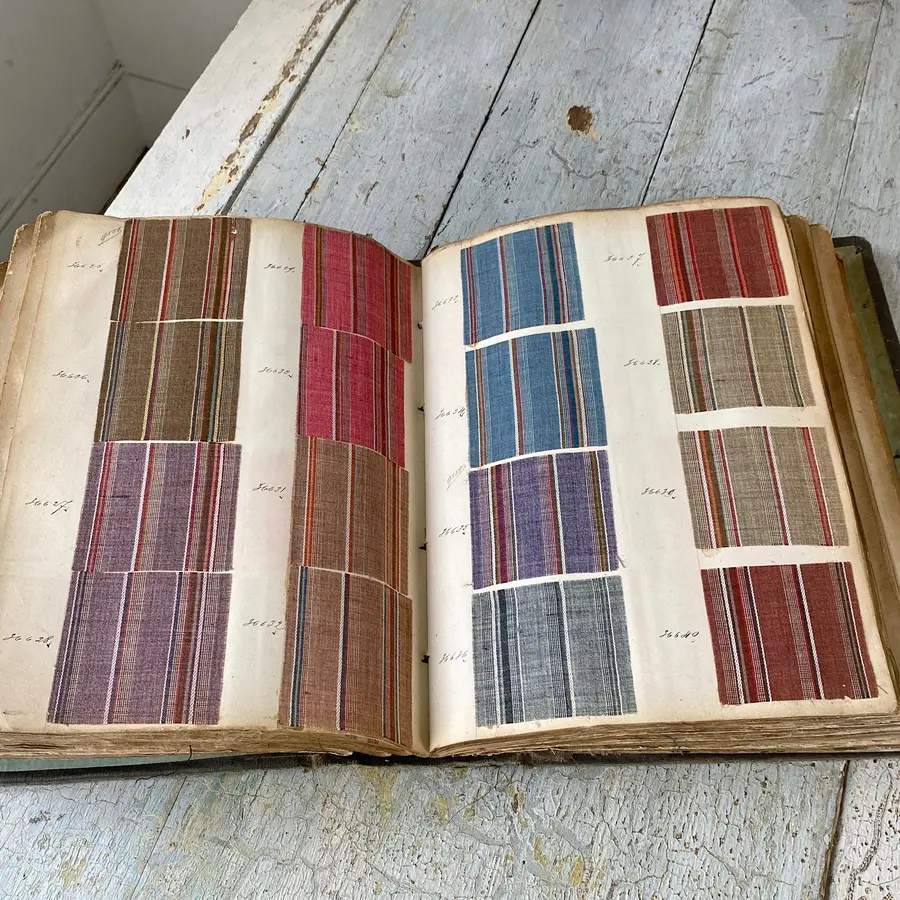
If a retailer or manufacturer offers a physical color card, it is usually a better tool for choosing among shades than a screen image. A color card will not tell you everything about a particular hand-dyed batch, but it lets you compare colors under the lighting where you will wear or use the finished item.
Check dye lots before placing a full-project order
For a multi-skein project, look for dye-lot information in the listing or ask the seller whether all skeins can be supplied from the same dye lot. If the project needs a consistent field of color, ordering enough at once can reduce the risk of needing a later skein that differs from the original purchase.
If matching lots are not available, decide whether a subtle variation would be acceptable before you buy. Some projects can absorb variation through stripes, color blocking, or alternating skeins. Others—especially large areas of a solid shade—may make a change more noticeable.
Compare colors together when holding yarns double
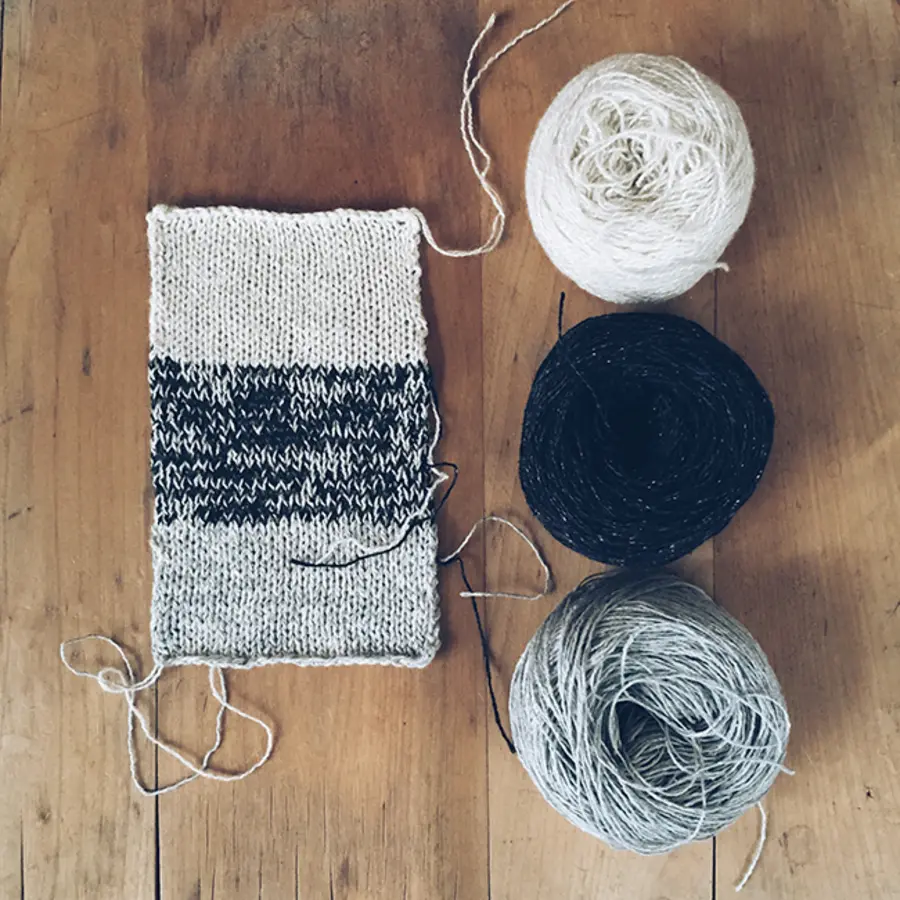
Holding two yarns together creates a new visual mixture. Do not select the pair only because each yarn looks right on its own. Place sample strands side by side, twist them together, and view them from a short distance. This helps reveal whether one color overwhelms the other, whether the pair becomes duller than expected, or whether their undertones clash.
This matters especially when combining yarns from different brands. Their dye methods, sheen, fiber content, and fuzziness can alter how color reads once the strands are worked together.
Source: i0.wp
Read the listing for clues about hand feel and behavior
You cannot truly assess yarn texture through a screen, but the specification details can narrow the risk. Start with fiber content. Wool, cotton, linen, silk, acrylic, alpaca, mohair, and blended yarns can differ substantially in resilience, drape, warmth, surface texture, and how they feel on the skin. The fiber name alone is not a guarantee of softness or scratchiness, but it gives useful context.
Then look at construction. A smooth, firmly spun yarn may show stitches clearly and behave differently from a softly spun or fuzzy yarn. A yarn with a visible halo can blur stitch definition. A plied yarn and a single-ply yarn can also behave differently in a worked fabric. Product descriptions may mention qualities such as elasticity, texture, softness, or loft; use those descriptions as starting points, not as universal judgments. One shopper’s idea of soft may not suit someone with a lower tolerance for textured or rustic yarn.
Reviews and project pages can add practical context. The supplied discussion of online buying advice recommends looking at projects made with the yarn and reading comments about how it works up. Project photos may show stitch definition, drape, color behavior, and fuzziness more clearly than a retailer’s product image. Reviews may also mention issues that matter to your project, such as splitting, shedding, knots, or how the yarn behaved after washing. These are individual reports, not guarantees, but repeated observations are worth noting.
Order a small test when the decision is high-stakes
A sample is most useful when it answers a specific question. Order a small amount if you need to know whether:
- a yarn is comfortable for a neckline, scarf, or close-fitting garment
- two colors work together in your usual lighting
- a substitute reaches the desired gauge and fabric density
- a fuzzy companion yarn changes the look of the main yarn too much
- the yarn has enough drape, structure, or stitch definition for the design
A single skein can be enough for a small accessory, a substantial swatch, or a trial of a stitch pattern. If the seller provides sample cards or mini skeins, use them for color and initial feel, then swatch if construction and gauge are important.
For a held-together project, swatch with the exact pair. Do not assume that each yarn will behave the same way when combined. The two strands may create a thicker fabric, change the gauge, reduce drape, or make the surface more textured than expected.
Check the practical purchase terms before checkout
A well-documented listing reduces uncertainty, but the retailer’s policies determine what you can do if the yarn is not suitable. Before a larger order, confirm:
- whether dye lots are listed, selectable, or available on request
- whether partial returns, exchanges, or unopened-skein returns are accepted
- how long you have to request a return or exchange
- whether sale, clearance, wound, or custom-dyed yarn has different rules
- whether the retailer has enough stock for your complete project
- whether shipping costs or order minimums change the value of a trial order
Keep labels and packaging until you are certain you will keep the yarn. If a return is possible, the original label can help document the item, colorway, and dye lot.
Retailers with detailed product information and knowledgeable staff can be particularly useful for a first purchase. Yarnworker suggests that online stores connected to physical yarn shops may be helpful resources because they can provide specialized guidance and sell color cards or samples.
Make a repeatable pre-purchase routine
For familiar yarns, buying yarn online can become straightforward once you know your preferred fibers, brands, and color families. For unfamiliar yarns, use a slower process:
- Match the project needs to the yarn’s fiber, weight, yardage, and gauge information.
- Review multiple photos and look for images of worked fabric.
- Check stock and dye-lot details before purchasing a project quantity.
- Read project notes and reviews for tactile and handling observations.
- Order a color card, sample, mini skein, or one-skein test when color or feel is critical.
- Swatch the exact yarn—or exact yarn combination—before committing to the full project.
- Review the return policy before placing a large order.
The goal is not to eliminate every surprise. Yarn is tactile, and screens have limits. The goal is to shift the decision from a guess based on a flattering photo to an informed choice based on fiber, construction, gauge, samples, real project images, and purchase protections.
References
- Buying Yarn Online - Yarnworker - Know-how for the rigid heddle loom. yarnworker.com. https://yarnworker.com/buying-yarn-online
- Key Things to Check Before Ordering Yarn Online - All Funny Puns. allfunnypuns.com. https://allfunnypuns.com/key-things-to-check-before-ordering-yarn-online
- Tips for buying yarn online.. reddit.com. https://www.reddit.com/r/Yarn/comments/1u5qzv5/tips_for_buying_yarn_online
- How to Shop for Yarn Online (and Feel Confident in Your .... thewoolpirate.com. https://www.thewoolpirate.com/blogs/choosing-and-using-yarn/how-to-shop-for-yarn-online-and-feel-confident-in-your-choice
- Where to Buy Yarn for Knitting and Crochet: Sourcing Guide | QuiltAtlas. quiltshopatlas.com. https://quiltshopatlas.com/guides/where-to-buy-yarn-online-and-in-bulk
- The Secrets to Shopping For Yarn Online. youtube.com. https://www.youtube.com/watch?v=cyVPk6dz62U&vl=en-US
- [Ordering Yarn Online](/t/ordering-yarn-online/200830). meet.ribblr.com. https://meet.ribblr.com/t/ordering-yarn-online/200830
- How to Find & Buy Your Perfect Yarn Online. yarndesignersboutique.com. https://yarndesignersboutique.com/blogs/news/how-to-find-your-perfect-yarn