Why Cabaret Costumes Continue to Dazzle Onstage and Beyond

Table of Contents
Historical Significance of Cabaret Costume Design
Cabaret costume design is closely linked with the experimental performance culture of 1920s Berlin and the Weimar era. In venues where music, dance, satire, political commentary and nightlife overlapped, dress was part of the performance language. Costumes could establish a persona before a performer spoke or sang, using exaggerated surface decoration, tailored lines, exposed skin, or deliberately unconventional combinations of garments. The result was a visual culture in which clothing signalled performance, pleasure, provocation and self-invention.
Feathers, sequins, fringe, sharply cut jackets, corsetry and revealing silhouettes became enduring visual codes because they responded effectively to movement and stage light. A feathered headpiece increased vertical presence; a sequinned bodice scattered light; and a tailored jacket could create a controlled, assertive outline. These choices were not merely decorative. They helped performers communicate confidence, irony, seduction, vulnerability or excess to an audience in a relatively intimate setting.
Cabaret also made productive use of mixed masculine and feminine dress codes. A performer might combine a tuxedo-style jacket with stockings, a corset with trousers, or a traditionally feminine gown with severe tailoring. Such styling challenged fixed assumptions about gendered appearance and made costume part of a wider questioning of social identity. The visual tension between concealment and exposure, structure and softness, or elegance and parody remains central to cabaret design.
Later interpretations expanded this vocabulary. Screen glamour introduced polished satin, dramatic bias cuts, fur-like trims and high-shine finishes, while punk-informed cabaret brought distressed surfaces, leather, safety-pin-inspired hardware, fishnet and more confrontational styling. These influences changed the materials and attitude of the costume, but retained cabaret’s defining confidence: garments are designed to be seen, read and remembered.
The Balancing Act in Cabaret Costume Design
Effective cabaret costume design often balances period reference with contemporary performance needs. A designer may begin with historical cues such as Art Deco geometry, tuxedo tailoring, corsetry, fringe or 1930s-style eveningwear, then adapt proportions, closures and materials for a current production. The goal is usually not strict historical reconstruction. Instead, the costume should give the audience an immediate stylistic reference while serving the character, choreography and visual world of the show.

Source: Unsplash
Modern materials can refresh historically influenced silhouettes. Leather may add firmness, edge and a matte-to-gloss surface contrast; latex creates a highly reflective, body-conscious effect; and crystal-style embellishment can provide concentrated sparkle under stage lighting. These materials require careful selection because their performance properties differ substantially. Leather can be heavy and less forgiving in close-fitting areas, latex can limit ventilation and needs specialist handling, and densely applied crystals can add weight or create stress points in a lightweight base fabric.
Cabaret audiences are often close enough to see workmanship that would be less visible in a large proscenium theatre. Seam finishes, hand-applied trims, closures, lining edges and the quality of embellishment therefore matter as much as the broad silhouette. A costume may be viewed from several angles as performers move through a room, work around tables or directly address spectators. Construction must withstand repeated motion while remaining visually finished at close range.
Palette, fabric weight and surface texture can also shift across a production. Lightweight chiffon, mesh or satin may support a playful, open atmosphere, whereas velvet, coated fabrics, dense brocade or dark leather can make a later scene feel heavier or more enclosed. This adaptability reflects cabaret’s overlap between theatre, nightclub presentation and participatory audience experience: the costume must function as clothing, stage image and a responsive performance object.
Costume Features That Build Cabaret Elegance and Intrigue
Fabric, colour, silhouette and accessories work as an interdependent system in cabaret costume design. A reflective surface has little effect if it is hidden by poor lighting angles; a dramatic corset may restrict dance movement if its pattern and boning are unsuitable; and an elaborate headpiece can lose impact if it overwhelms the performer’s face. Designers therefore assess each component in relation to movement, stage distance, lighting, character and the intended focus of audience attention.
How Fabrics and Colours Shape the Effect
Material selection begins with fabric behaviour rather than appearance alone. Drape determines whether a skirt swings, clings or holds a sculpted shape. Stretch affects mobility and recovery during repeated choreography. Weight influences how quickly fabric responds to movement, while sheen controls whether the surface absorbs or reflects light. Under theatrical lighting, satin may produce moving highlights, velvet may absorb light for depth, and sequinned fabric may create a vivid but visually busy surface.
Leather and latex can give a cabaret look a sharper contemporary character while retaining links to established stage styling. Leather offers structure, durability and a range of finishes, from soft garment-weight hides to rigid patent-like surfaces. Latex creates a close, high-gloss silhouette that can appear deliberately artificial or stylised. Both materials can suggest control, armour or heightened sensuality, particularly when contrasted with fluid chiffon, sheer mesh, soft jersey or feather trims. Such contrasts allow a costume to express tensions between glamour and vulnerability, discipline and freedom, or public persona and private uncertainty.
Colour is similarly narrative. Neutral and skin-adjacent tones can suggest exposure, fragility or apparent simplicity, especially when paired with sheer materials. Dark palettes can create visual density, authority or menace, while saturated reds, greens, blues and purples can intensify a nightclub atmosphere. Designers often use bright-dark contrast to mark emotional instability or a change in dramatic tone. A pale costume against a darkened stage may isolate a performer; a dark costume with bright crystal accents can conceal the body while making movement visible through flashes of reflected light.
From a technical viewpoint, colour decisions should be tested under the actual lighting conditions whenever possible. Red, black and metallic fabrics can change significantly under warm, cool or coloured light. A fabric that appears richly textured in daylight may read as flat from the audience, while a highly reflective textile may create glare rather than sparkle. Swatching and movement tests are essential before committing to a final material.
Accessories That Create Dramatic Mystery
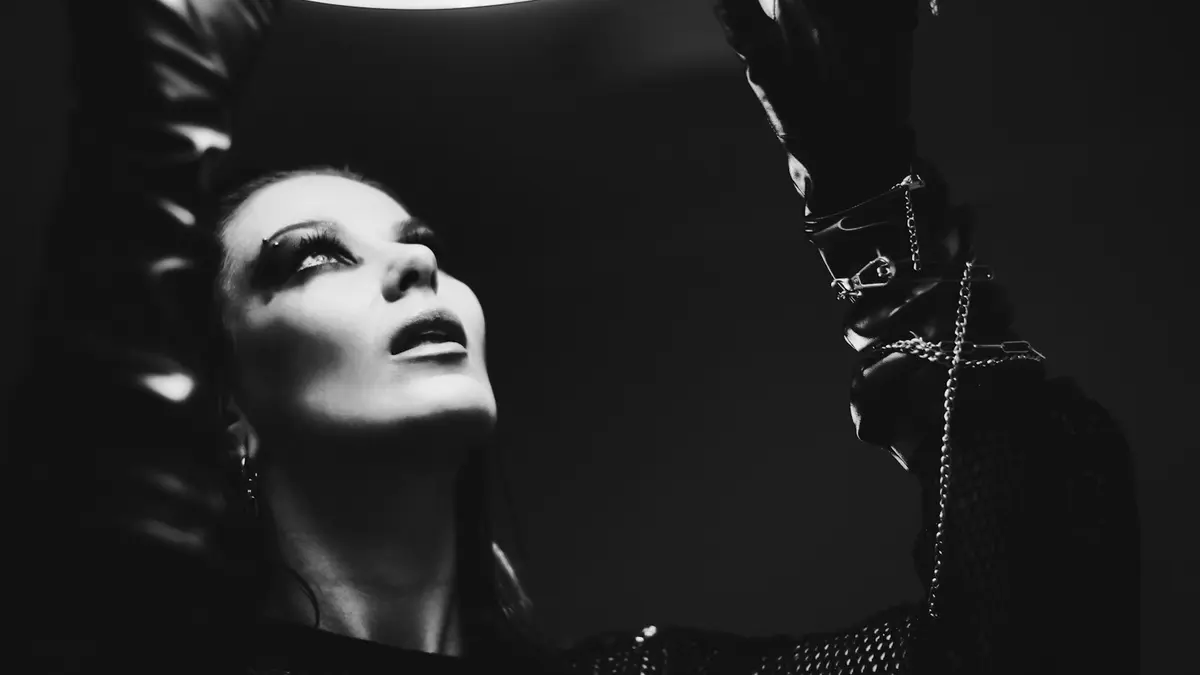
Accessories give cabaret performers tools for directing attention. Gloves extend the visible line of the arm and make hand gestures appear more deliberate. Long gloves can support a slow reveal, a comic flourish or a controlled moment of removal, while short gloves may reinforce a sharper, more tailored look. Their effectiveness depends on fit, stretch recovery and grip, particularly where props, microphones or partner work are involved.
Corsets are both visual and structural components. They can define the waist, alter posture and create a silhouette associated with vintage cabaret, burlesque and eveningwear. Depending on their construction, corsets may use boning, lacing, busks, panels and internal waist support to distribute tension. For performance use, comfort, breathing range and safe mobility are critical. A costume department must consider rehearsal duration, quick-change requirements and whether the garment is decorative, supportive or intended to shape the body substantially.
Source: Unsplash
Stockings, garters, rhinestones and sequins connect contemporary costumes with recognizable cabaret references while improving stage readability. Reflective embellishments catch changing light, so even small turns of the hip, shoulder or wrist can become visible to spectators. Placement is therefore a compositional decision. Embellishment around the waist can reinforce a torso isolation; hip decoration can make rhythmic movement more legible; and shoulder motifs can broaden the upper body or draw attention to arm lines.
The most durable embellishment strategy matches application method to garment stress. Dense beadwork or stones on a stretch base should be supported so that movement does not distort the fabric and loosen attachments. Areas subject to friction, such as underarms, inner thighs, seat seams and closure edges, may need reduced decoration or reinforced construction. A costume that sparkles beautifully but sheds stones during a performance is not production-ready.
Cabaret Costumes as Visual Storytelling Devices
Cabaret costumes can communicate character development without relying on dialogue or exposition. A change in fabric, fit, colour or degree of embellishment may show that a character has gained confidence, lost control, entered a new social environment or become increasingly constrained. Because cabaret performance frequently foregrounds persona, the audience is encouraged to read these visual changes as part of the narrative.
Sally Bowles in Cabaret offers a useful illustrative framework, although costume choices differ among stage and screen productions. A designer may begin with lighter colours, skin-adjacent tones, playful trims or comparatively light fabrics to convey openness, theatricality or emotional exposure. As the dramatic environment becomes more unstable, the wardrobe can move toward darker colours, heavier textiles, denser texture and more restrictive-looking construction.
This progression does not need to be literal. A costume can become visually darker while retaining the same basic silhouette, or it can preserve its colour palette while changing from fluid drape to firmer, more controlled materials. Repeated details can also gain new meaning: a feather trim that first appears carefree may later look disordered, while a corseted shape may shift from glamorous to confining. In this way, clothing can mark the transition from playful freedom toward tension, pressure and menace.
For designers and costume teams, narrative planning benefits from a costume plot that records each look, its character purpose, required changes, repair risks and lighting considerations. This helps ensure that storytelling intentions remain achievable across rehearsals and performance runs. It also prevents technical compromises, such as a quick-change costume becoming too complex to reset consistently.
Social and Cultural Meanings of Cabaret Dress
Cabaret dress has long been associated with challenges to fixed distinctions between masculine and feminine presentation. In Weimar-era Berlin, performance culture created space for theatrical exaggeration, role play and visual experimentation. Clothing could question expectations attached to sex, gender, class and respectability, particularly when performers intentionally combined tailoring, cosmetics, lingerie-derived garments, uniforms or eveningwear in unexpected ways.
The cultural significance of these costumes lies partly in their visibility. Cabaret makes dress public, performative and open to interpretation. A garment may signal affiliation with a historical style, parody an authority figure, amplify a stereotype or create an identity that does not fit conventional categories. The audience is not simply shown clothing; it is asked to interpret what the clothing means within the performance.
Contemporary cabaret continues to combine historical reference with experimental approaches to identity and sexuality. Some productions favour vintage-inspired glamour, while others use minimalist bodywear, drag-influenced silhouettes, industrial materials or deliberately fragmented styling. These choices should be approached with cultural awareness rather than treated as generic spectacle. Historical references carry social meanings, and designers should consider whether a visual cue is being examined, celebrated, transformed or reproduced without context.
Ultimately, cabaret costume design remains effective because it joins technical craft with cultural communication. Textile choice affects movement and light; construction affects posture and durability; embellishment controls focus; and colour establishes emotional temperature. Together, these decisions allow costumes to do more than decorate performers. They help audiences reconsider how appearance, gender, identity and power are made visible onstage and beyond.