Computerized Embroidery: Machine Types, Process and Benefits
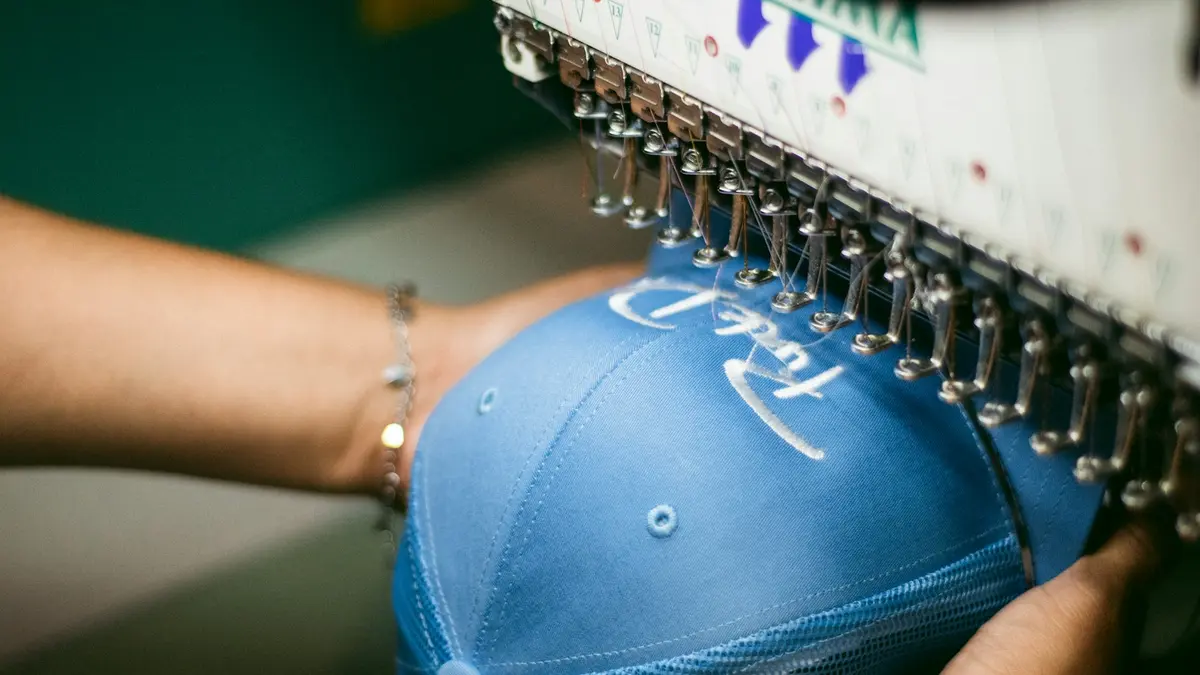
Table of Contents
Introduction to Computerized Embroidery
Embroidery is a decorative textile technique in which thread is stitched into a fabric or finished product to create lettering, motifs, logos, borders or pictorial effects. It is widely used to personalize apparel, uniforms, sportswear, accessories, household textiles and promotional items. While hand embroidery depends on direct manual stitch formation, machine-based methods use a needle mechanism and controlled fabric movement to build the design.
Computerized embroidery converts digitally defined artwork into a sequence of machine-readable stitch instructions. The embroidery machine follows this programmed sequence, moving the hooped fabric or frame relative to the needle while forming stitches in the specified order. Software is used to create, digitize, edit or prepare designs, and the resulting embroidery file is transferred to a compatible machine. This combination of digital design data and controlled stitching enables detailed repeat production that would be difficult to maintain manually.
The finished result still depends on material and process choices. Fabric behavior, thread type, stabilizer, hooping quality, needle condition and digitizing settings all influence stitch definition, registration, coverage and distortion. Computerized control improves consistency, but it does not eliminate the need for sound embroidery preparation.
Types of Embroidery Machines
Embroidery equipment can be described both by its control method and by its physical configuration. Free-motion machine embroidery relies primarily on the operator to guide the fabric during stitching. Computer-controlled embroidery uses a digital design file and a programmed drive system to direct fabric movement and stitch sequencing.
Source: Unsplash
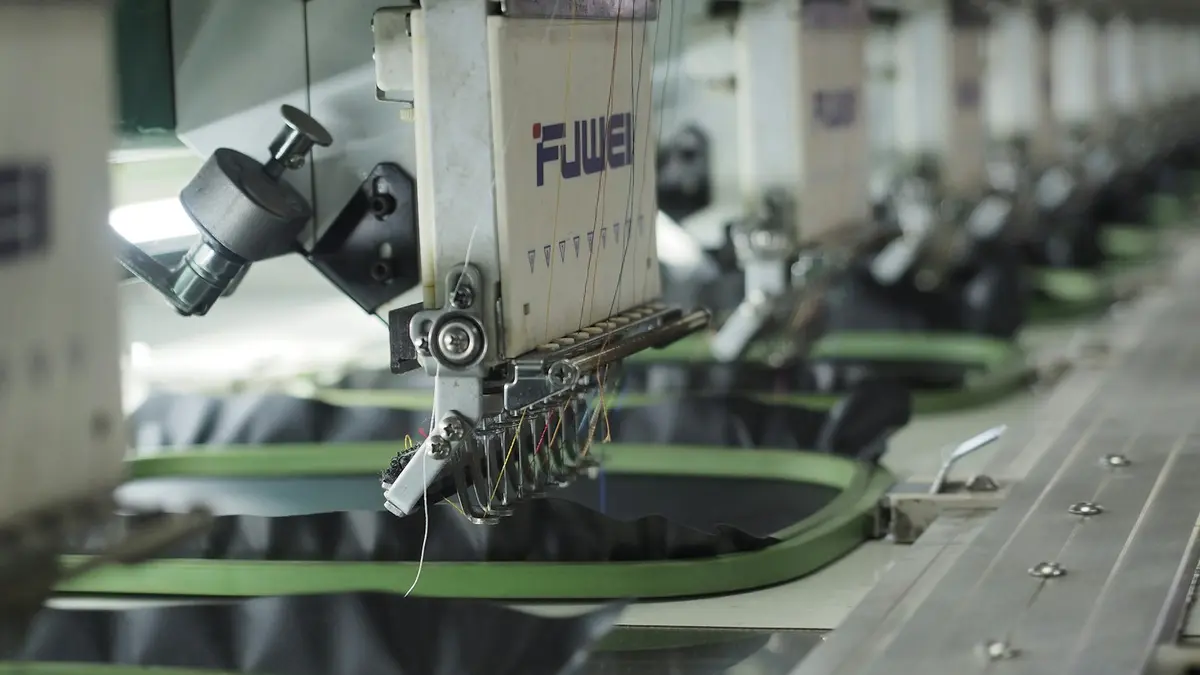
Computerized machines are also commonly arranged as single-head or multi-head systems. A single-head machine embroiders one hooped item at a time and may suit sampling, customization, small runs or varied orders. A multi-head machine has several embroidery heads working from the same design sequence, allowing multiple matching items to be produced simultaneously. The appropriate configuration depends on order volume, number of colors, design complexity, changeover frequency and available production space.
Free-Motion Machine Embroidery
Free-motion embroidery can be performed on a basic sewing machine with zigzag capability, provided the operator can control fabric movement beneath the needle. The fabric is usually held in a hoop or otherwise secured so that it remains stable while being moved in different directions. Depending on the machine and technique, the feed mechanism may be disengaged or bypassed to allow this manual movement.
The operator effectively draws with thread by changing the direction and speed of the fabric. Stitch length, stitch density and line quality are influenced by the relationship between fabric movement, needle speed, zigzag width and thread tension. A consistent result therefore requires coordination and practice. Free-motion work can be expressive and flexible, but it is less suited to producing many identical designs than a programmed embroidery process.
Computer-Controlled Embroidery Machines
Computer-controlled embroidery machines store or receive a digital embroidery design and stitch it according to programmed instructions. The design file specifies information such as stitch positions, stitch types, color-change sequence and machine commands. During operation, the needle forms stitches while the machine moves the hoop or frame in the required X and Y directions.
A hoop or frame holds the fabric taut and supports accurate positioning throughout the embroidery cycle. The machine must receive a design in a format that its control system can read; compatible formats and transfer methods differ by brand, model and software workflow. Operators should confirm file compatibility, available hoop dimensions and design orientation before production begins.
Many industrial embroidery machines are multi-needle machines. Each needle can be threaded with a different color, enabling the machine to change among preloaded threads during a design. Initial threading, color assignment and thread-path setup remain important, but multi-needle operation reduces the need for manual rethreading at every color change compared with a single-needle setup.
Core Features of Computerized Embroidery
A computerized embroidery workflow starts with a stitch-ready design file. The file may be created by digitizing original artwork, developed in embroidery software, supplied by a customer or obtained from a design library. Artwork such as a logo, illustration or photograph is not automatically ready for embroidery; it must be interpreted as stitch data appropriate to the fabric, size, thread and intended visual effect.
Before stitching, the operator can edit the design where software and machine functions allow. Common adjustments include resizing within practical limits, rotating, mirroring, changing color order, repositioning elements and selecting a suitable hoop. The approved file is then loaded into the machine, while the fabric is hooped with the required stabilizer and positioned for the intended placement.
Once the starting point, needle selection and thread colors have been checked, the machine can begin its programmed cycle. The operator monitors thread supply, thread breaks, needle condition, fabric stability and stitch quality. A machine can automate the stitch path, but supervision remains necessary to prevent avoidable defects and to respond to interruptions.
Computerized Embroidery Process
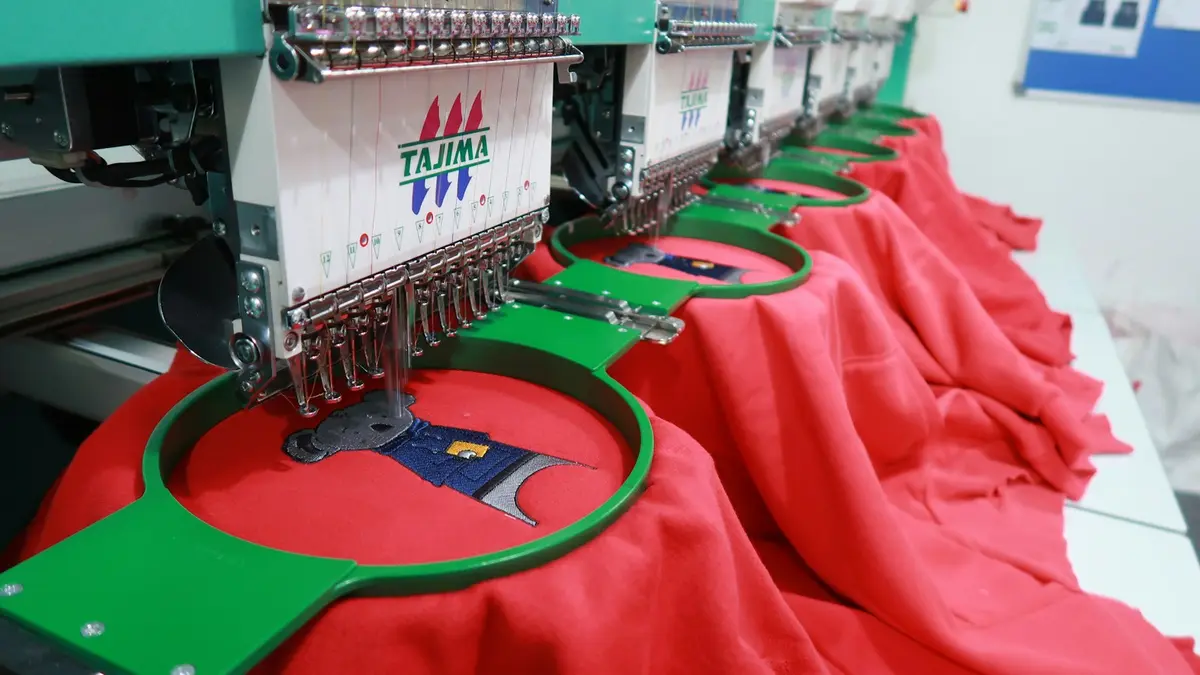
The process begins with evaluating the product and design requirements. Fabric type affects how the material stretches, compresses, supports stitches and reacts to needle penetration. Lightweight, open, elastic, textured or pile fabrics may need different stabilization and digitizing approaches from firm woven fabrics. Design size, stitch density, thread selection, needle selection and backing or topping materials should be considered as a connected system rather than as isolated choices.
Source: Unsplash
A typical computerized embroidery process includes the following stages:
- Prepare the artwork and embroidery data. Create, obtain or approve the artwork, then digitize it into stitch instructions. Select stitch types, directions, density, underlay and sequence to support the intended appearance and material.
- Edit and export the design. Make placement, size or color adjustments as necessary. Export or convert the design into a file format compatible with the target embroidery machine, using the machine and software documentation as the reference for supported formats.
- Check size and placement. Confirm that the selected hoop can accommodate the design with suitable clearance. Mark or identify the intended position on the garment or textile component, especially for left-chest logos, cap fronts, sleeves, pockets and other location-sensitive applications.
- Hoop and stabilize the material. Place the appropriate backing stabilizer beneath or behind the fabric, and use topping when the fabric surface requires support. Hoop the layers securely enough to prevent shifting, while avoiding excessive stretching that may cause distortion after removal.
- Set up the machine. Load the design, assign threads to the required needle positions, check bobbin condition, fit a suitable needle and align the needle or design origin with the selected start point. A trace or boundary check can help confirm that the design remains within the hoop and away from seams or obstructions.
- Run and monitor the embroidery. Start the cycle and observe the early stitches closely. Watch for thread breaks, looping, puckering, poor coverage, registration errors, skipped stitches or fabric movement. Pause and correct the cause when necessary rather than continuing with a developing defect.
- Finish and inspect. Remove the item from the hoop, trim excess thread and remove or trim excess stabilizer according to the product requirement. Inspect placement, color sequence, stitch quality, fabric distortion and clean finishing before release or further garment processing.
Routine supplies support this workflow: correctly sized needles, bobbins, thread, stabilizers, hoops or frames, small scissors or snips, cleaning tools and approved machine-maintenance materials. Exact requirements vary with the machine, fabric and production environment.
Benefits of Computerized Embroidery
Computerized embroidery combines programmed stitch control with repeatable material handling. Its main advantages relate to the ability to store designs, produce repeat orders, manage multiple thread colors and apply detailed decorative or identification elements to textile products. These benefits are strongest when digitizing, stabilization and machine setup are matched to the job.
Accessible Operation
Computerized machines automate many actions that would otherwise require continuous manual control, including the stitch sequence, color order and movement of the hoop or frame. Screen-based controls can help an operator select a design, position it, assign colors and start the embroidery cycle. This makes basic operation more approachable than manually guiding every stitch path.
However, successful embroidery is not entirely push-button. Operators still need to learn correct hooping, stabilizer selection, thread tension assessment, needle selection, file handling, design placement and fault correction. Digitizing skill is particularly important for custom logos and challenging fabrics. Accessible controls reduce repetitive manual work, but process knowledge remains essential for reliable quality.
Programmed Stitching Speed
Once a design is prepared and the machine is set up, programmed embroidery can repeat the same stitch sequence efficiently across multiple items. Single-head machines can support short runs and customized orders, while multi-head systems can improve output for repeated designs by embroidering several items in parallel.
Speed should be considered as part of total production time rather than needle speed alone. Hooping, thread changes, design loading, trimming, inspection, rework and changeovers all affect throughput. Dense designs, frequent color changes, delicate fabrics and thread-break issues can also extend cycle time. Computerized embroidery is particularly effective when the same approved design is used repeatedly with controlled setup conditions.
Artwork, including photographs, must be digitized into embroidery data before it can be stitched. A photographic image may need simplification because embroidery represents an image through thread, stitch direction, color areas and texture rather than continuous printed tones. Good results depend on adapting the source artwork to the physical limits and visual strengths of thread embroidery.
Complex Stitching and Design Options
Computerized systems can execute detailed programmed patterns involving lettering, borders, fills, satin columns, appliqué sequences and multi-color motifs. Digital control helps maintain intended stitch order and supports effects that require precise changes in direction, density or color. This expands options for branding, personalization and decorative textile development.
Complexity must be planned during digitizing. Artwork is converted into instructions that tell the machine where and how to stitch, but the digitizer must account for fabric movement, pull effects, small text legibility, thread thickness and stitch overlap. A design that looks suitable on screen may need adjustment before it performs well on a particular fabric. Test stitching is therefore valuable for new designs, materials and placements.
Repeatability and Design Accuracy
A stored embroidery file gives the machine a repeatable stitch path, supporting consistent reproduction when the same file, materials and setup are used. This is valuable for branded workwear, team apparel, uniforms and product lines where logos or identifiers need similar placement and appearance across many units.
Repeatability is not the same as guaranteed perfection. Hooping variation, fabric differences, incorrect backing, worn needles, inconsistent thread behavior and machine maintenance issues can still affect the result. Quality control should verify design placement, stitch coverage, registration, thread trimming and fabric condition on production samples and during runs.
Many machines include built-in patterns, lettering or editing functions. Depending on the model and software, these may be resized, rotated, mirrored, recolored or combined with other elements. Their practical range varies, so users should confirm the capabilities of the specific machine rather than assuming that all computerized systems offer the same customization tools.
Conclusion
Computerized embroidery uses software, digital stitch designs and controlled embroidery equipment to apply decorative or identifying thread patterns to fabric. It is used by home makers, independent decorators, sample rooms, embroidery service providers and larger textile or apparel operations. Common applications include branded workwear, sportswear, uniforms, promotional textiles and customized apparel.
The process provides a structured route from artwork to repeatable stitched output, but quality depends on more than loading a file. Appropriate digitizing, fabric preparation, stabilization, hooping, thread selection, machine setup and inspection are all necessary for dependable results. Computerized embroidery equipment is designed to embellish textile components or finished products; it is distinct from garment-construction machinery used to cut, assemble and sew complete garments.