Consumer Behavior in Bangladesh’s Organized Apparel Retail Market
Table of Contents
Study of Consumer Behavior in Bangladesh’s Organized Apparel Retail Industry
This research-oriented article examines consumer behavior in organized apparel retail Bangladesh, with particular attention to purchasing patterns, demographic influences and retail outlet selection. It treats organized apparel retail as an important link between garment production, fashion communication and the final consumer market.
Executive Summary
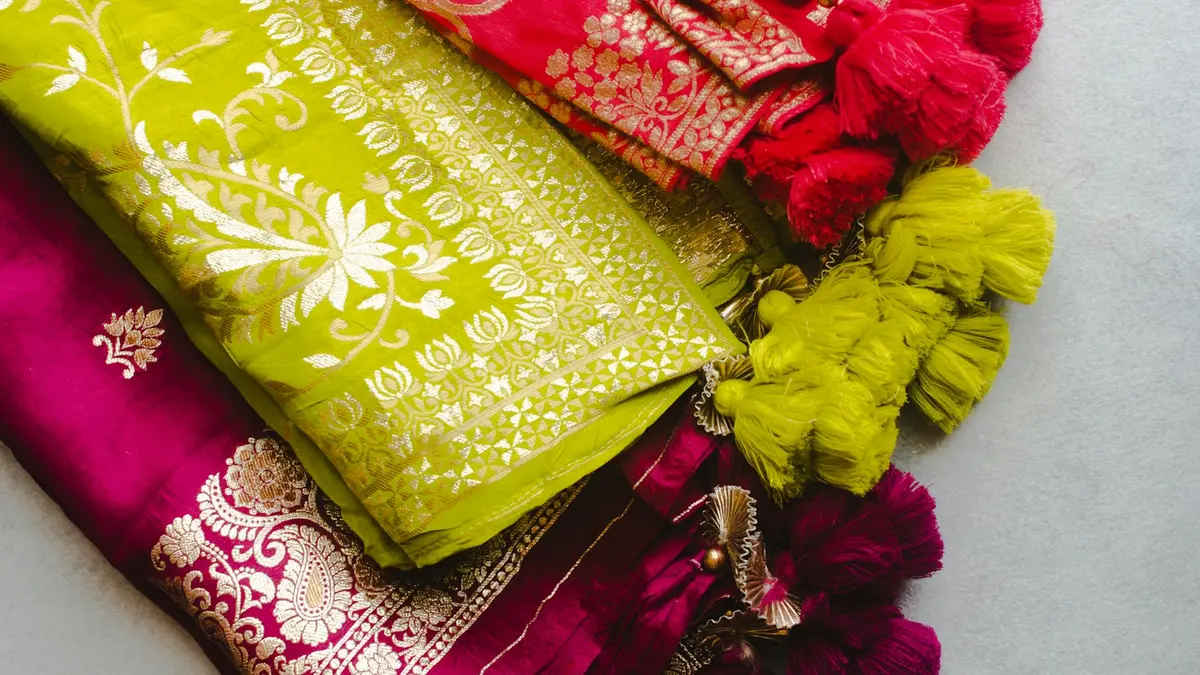
Bangladesh’s textile and apparel economy extends beyond export-oriented manufacturing. At the domestic-market level, fashion houses, buying and trading houses, shopping malls and branded outlets contribute to the movement of apparel from design and sourcing to consumer purchase. Organized retail settings provide more standardized shopping environments than many traditional outlets, including product displays, fixed pricing practices, sales assistance and promotional activity.
Source: Unsplash
The study summarized here focuses on apparel shoppers in Dhaka and considers how consumers select stores and apparel categories. It discusses the effects of demographic characteristics, including gender, age, education, occupation and family income. The reported survey findings should be read as evidence from a limited urban sample rather than as a representation of all Bangladeshi apparel consumers.
Introduction
Consumer behavior concerns the ways individuals and households select, acquire, use and eventually dispose of products and services. For apparel retailers, understanding these decisions helps in developing product assortments, pricing approaches, visual merchandising, service standards and promotional communication that are better aligned with customer expectations.
Background: Apparel, Fashion, and Retail Demand
Apparel is a basic necessity, but it is also associated with comfort, identity, occupation, social occasions and fashion preference. Demand includes men’s, women’s and children’s clothing, as well as formalwear, casualwear, activewear, occasionwear, outerwear and essential garments. As consumers become more fashion-aware, retailers must respond to changing styles, seasonal demand and differing expectations across customer groups.
Retailing and the Retail Sector in Bangladesh
Retailing is the process of making goods or services available to final consumers. Bangladesh contains both traditional and organized retail channels. Traditional channels may include neighborhood shops, local markets, bazaars and temporary fair-based selling, while organized formats can include department stores, supermarkets, boutiques, specialty shops, brand outlets and mall-based stores.
Economic change, urbanization, rising disposable income and greater exposure to global fashion have supported the development of modern retail formats. Apparel chain stores are particularly significant because clothing purchases often involve style comparison, fitting, brand evaluation and visual presentation. However, organized retailers continue to compete with independent sellers that may offer lower prices, flexible bargaining or highly localized assortments.
Bangladesh’s Apparel Retail Sector
Apparel is a visible category within organized retail because consumers often evaluate garments directly before purchase. Modern stores and shopping malls can offer air-conditioned environments, trial facilities, coordinated displays and multiple brands or product lines in one location. These features can shape the shopping experience as much as the garment itself.
The sector is also characterized by short fashion cycles, changing seasonal demand and diverse customer preferences. Organized apparel retailers must balance inventory turnover with size availability, design variety, price sensitivity and the risk of unsold seasonal stock. Their ability to compete depends not only on merchandise but also on store convenience, service quality and perceived value.
Consumer Purchase Behavior in Organized Apparel Retail
Consumer purchase behavior addresses what people buy, why they buy, when they buy, where they buy and how they use the purchased product. Apparel decisions commonly develop through pre-purchase, purchase and post-purchase stages. Before purchasing, shoppers may identify a clothing need, search for information, compare stores or brands and assess price. During purchase, they evaluate fit, fabric, style, color, quality and service. After purchase, satisfaction can influence future store visits, recommendations and loyalty.
Marketing stimuli such as price promotions, advertising, store displays, product assortment and salesperson interaction can affect decisions. Environmental and personal influences also matter. Cultural norms, family roles, peer groups, occupation, income, gender, fashion interest and clothing awareness may produce different apparel needs and shopping patterns.
Key Terms Used in the Study
Apparel refers to clothing worn by people, including garments for everyday, professional, formal, active and special-occasion use.
Retailing is the sale and distribution of products or services to final users for personal or household consumption.
Organized retail refers here to structured and identifiable retail formats, such as branded outlets, department stores, specialty chains and mall-based stores. These formats generally operate with formal merchandising, inventory, pricing and customer-service practices.
Consumers are individuals or households that purchase, use or influence the purchase of products. Consumer behavior is the study of their needs, choices, responses and consumption-related actions.
Research Problem
Evidence on consumer behavior in Bangladesh’s organized apparel retail sector remains limited, particularly evidence that compares demographic groups and outlet-selection priorities. Changing lifestyles, increased access to digital information, income variation and women’s participation in paid work can influence how consumers view apparel, fashion and shopping convenience.
For retailers, the practical issue is understanding why a customer selects one organized outlet rather than another. Awareness, location, product range, promotions, price, service and store atmosphere may all influence this choice. Research can help distinguish between occasional buyers, regular shoppers and customers whose preferences are shaped by specific apparel needs.
Scope of the Study
The reported study is limited to apparel outlets in Dhaka. It considers men’s and women’s apparel, with attention to casualwear and formalwear. Its findings should therefore not be generalized automatically to rural markets, all income groups or other Bangladeshi cities.
Literature Review
Consumer behavior research provides a foundation for marketing strategy because it links consumer needs with product, price, communication, distribution and service decisions. In apparel retail, the literature commonly considers fashion orientation, brand perceptions, price sensitivity, visual merchandising, store environment and customer satisfaction.
Studies of apparel shopping also indicate that demographic factors can influence information search and store choice. Some customers may prioritize price and product durability, while others may place greater value on design novelty, brand image, store ambience or social approval. The relative importance of these factors can vary by consumer segment and purchase occasion.
Research Gap
The key gap addressed by this study is the limited gender-specific evidence on consumer behavior in Bangladesh’s organized apparel retail market. The research focuses on two related questions: how demographic characteristics influence apparel purchasing, and what factors affect the selection of an organized apparel outlet.
Research Objectives
The objectives organize the study around consumer behavior and the factors that shape organized retail selection.
Broad Objective
The broad objective is to examine consumer behavior toward organized apparel retail in Bangladesh.
Specific Objectives
The specific objectives are to:
- examine demographic influences on male and female apparel purchasing behavior; and
- identify factors that influence consumer selection of organized apparel retail outlets.
Theoretical Research Framework
The framework links demographic characteristics with two main outcomes: apparel purchasing behavior and retail outlet selection. Gender, age, education, occupation and family income are treated as explanatory variables that may influence the apparel categories purchased, visit frequency and preferences for particular store attributes.
This framework is useful for retail practitioners because it separates consumer profile variables from controllable retail factors. A retailer cannot change a shopper’s age or occupation, but it can adapt assortment, pricing, communication, staff training and store design to serve identifiable customer segments.
Methodology
The study used a consumer survey approach to investigate apparel purchasing behavior in organized retail settings. Its methodology was designed to produce descriptive information about shoppers rather than to establish causal relationships for the entire Bangladeshi population.
Research Design
The reported design was descriptive and quantitative. It used structured questionnaires and personal interviews with apparel shoppers in Dhaka. The sampling unit was an individual visiting organized apparel retail stores, and the stated sampling approach was mall-based convenience sampling.
The study reported a sample of 120 consumers. Responses were collected through close-ended questions and five-point Likert-type items, then summarized through tabulation. Because convenience sampling does not provide every consumer with an equal probability of participation, results should be interpreted as sample-specific.
Data Sources
Secondary information was drawn from books, magazines, newspapers, journals and websites. Primary information came from mall-intercept interviews with apparel shoppers. Combining these sources allows the study to connect consumer responses with broader concepts from marketing and retail research.
Data Collection Instrument
The questionnaire was developed with reference to the literature review and the stated study objectives. It was intended to capture both respondent characteristics and perceptions related to apparel shopping.
Quantitative Questionnaire
The standardized close-ended questionnaire used a five-point Likert-type response scale for selected preference and attitude statements. Question areas included store visits, apparel types purchased, store attributes, salesmanship, staff courtesy, promotions, information sources and visual merchandising. It also collected personal and demographic information.
Data Collection Procedure
The study reports that personal interviews were conducted with consumers visiting selected shopping malls to purchase apparel. Data collection was stated to have occurred over a three-month period in 2019. Specific mall identities and fieldwork controls are not established in the supplied material, so the procedure should be treated as a description of the reported study rather than independently verified evidence.
Data Analysis
Questionnaire responses were reportedly entered into Excel and analyzed using frequency distributions, percentages and weighted-mean summaries for Likert-scale items. The source also refers to statistical software, but the analytical value of the findings depends primarily on transparent coding, correct category definitions and careful interpretation of a non-probability sample.
Findings
The findings summarize responses from the reported sample of 120 organized apparel retail consumers. They are organized around demographic profile, store-visit frequency and apparel type purchased. Reported percentages describe the survey respondents and should not be interpreted as national market shares.
Source: Unsplash
Respondent Demographic Profile
The sample included consumers with differing gender, age, education, occupation and income characteristics. This segmentation is relevant because apparel requirements and store-selection priorities can change with life stage, employment conditions, household responsibilities and purchasing power.
Respondent Gender Distribution
The reported respondent distribution included 62 male participants and 58 female participants. This near-balanced split enabled gender comparisons within the sample, but it does not establish that the sample mirrors Bangladesh’s population or the full customer base of organized apparel retailers.
Respondent Age Distribution
Respondents were grouped from below age 18 through the 45–60 age range. The reported largest group was aged 35–44, followed by respondents aged 18–24. The study reported an average respondent age of 32.5 years; this figure should be understood as a characteristic of the surveyed group.
Respondent Educational Profile
Education categories included up to class 12, graduation, post-graduation and technical or professional qualifications. Graduates and postgraduates formed the largest combined portion of the sample. This concentration may reflect the profile of shoppers accessible in urban organized retail settings rather than the educational distribution of all consumers.
Respondent Occupational Profile
The occupational profile included students, homemakers or unemployed respondents, businesspeople, private-sector employees, government employees and self-employed or freelance participants. Students were reported as the largest group, followed by homemakers or unemployed respondents. Combining homemakers and unemployed people in one category can reduce analytical precision because their income sources and shopping roles may differ.
Respondent Family Income Profile
Respondents were classified by annual family income in Bangladeshi taka. The largest reported category was below BDT 150,000, while the stated median category was BDT 300,001–450,000. Income segmentation is important because it may influence purchase frequency, apparel budget, brand preference and willingness to shop in organized outlets.
Store Visits and Demographic Influences on Apparel Purchases
The study examines how often respondents visit organized apparel stores and how demographic characteristics relate to apparel-category purchases. It distinguishes between the person making a purchase decision and the ultimate garment user, an important distinction in family and gift-buying situations.
Frequency of Visits to Organized Apparel Stores
The most commonly reported visit frequency was once per month, followed by twice-monthly visits. The survey also compared male and female patterns across visit categories. Retailers can use visit-frequency information to plan communication and retention efforts, although purchase frequency alone does not reveal transaction value, conversion rate or customer profitability.
Apparel Types Purchased by Demographic Profile
Casualwear was reported as the most frequently purchased apparel category overall. Within the sample, female respondents showed a stronger reported preference for casualwear, while male respondents showed a stronger reported preference for formalwear. These patterns may reflect workplace dress requirements, social occasions, lifestyle needs and product availability rather than gender alone.
Reported differences also appeared across age, education, occupation and income groups. Younger consumers may purchase garments for study, work-entry or social contexts, while service employees may require more formal clothing for workplace use. Higher-income consumers may have broader purchase options, but the small, Dhaka-focused convenience sample cannot confirm population-wide relationships.
Conclusions, Limitations, and Recommendations
The study provides a structured view of how demographic characteristics and retail conditions can influence apparel purchase behavior. Its main value is as an exploratory reference for retail managers, merchandising students and researchers interested in the domestic apparel market.
Conclusions
The survey indicates that gender, age, education, occupation and family income may influence apparel purchasing behavior in organized retail settings. Casualwear was the dominant reported category, while formalwear appeared more prominent among male respondents and among groups with work-related clothing requirements.
The study is limited by its Dhaka focus, sample size, convenience-sampling approach and dependence on self-reported responses. These limitations mean that the results should guide questions for further investigation rather than be treated as definitive evidence for all organized apparel retail consumers in Bangladesh.
Recommendations for Further Research
Future research should compare consumer behavior across Dhaka and other cities or geographic areas. Larger probability-based samples could improve representativeness and enable stronger comparisons by income, age, gender and occupation.
Useful future topics include customer-retention practices, mall versus standalone-store preferences, online and offline apparel purchasing, promotional effectiveness, store atmosphere, product-return behavior and the relationship between retail format and loyalty. Comparative research across product categories could also clarify whether apparel shoppers behave differently from consumers of other fashion-related goods.
References and Source Materials
This article is based on the supplied study structure and its cited source materials covering consumer behavior, marketing, apparel retailing, visual merchandising and Bangladesh’s garment-sector context. Study-specific data, including sample characteristics, fieldwork timing and reported percentages, should be verified against the original research documentation before use in academic or commercial decision-making.