Why Is the Fastest Digital Textile Printer Not Always the Best Choice?
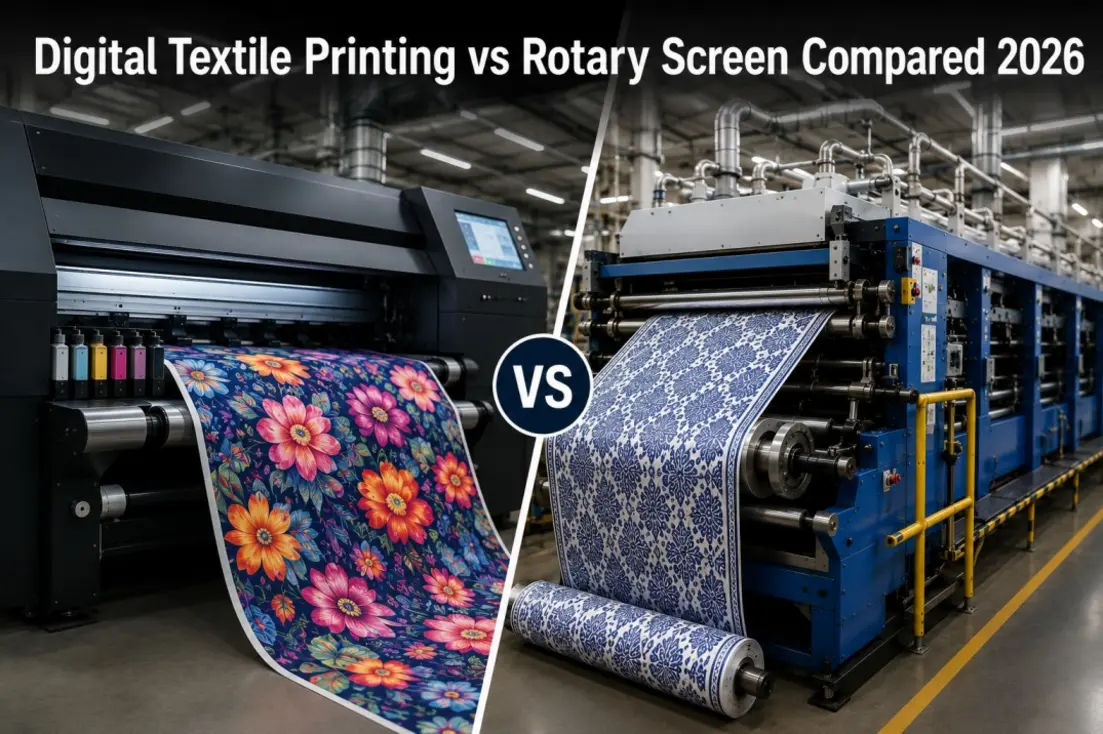
Table of Contents
The fastest machine is not automatically the best option for digital textile printer selection. The better choice is the printer that produces the required fabric quality, color consistency, and delivery reliability at the lowest total operating risk—not the one with the largest maximum meters-per-hour figure.
A high headline speed can be valuable when a factory has sustained volume, repeatable designs, compatible fabrics, and a workflow built to keep the line running. But if that speed increases shade variation, banding, fabric rejection, reprints, cleaning interruptions, or downstream bottlenecks, its apparent productivity can disappear quickly. In textile printing, saleable meters matter more than printed meters.
Compare usable throughput, not brochure speed
Digital textile printing speed is usually presented as a maximum output figure. That figure can be useful for understanding a machine’s potential, but it does not tell a buyer what quality level was used to achieve it.
In scanning or multi-pass printing, printheads make repeated passes over the fabric. More passes can improve coverage, detail, and visual uniformity, but they also reduce output. As Texintel explains, the key comparison is the quality a printer can achieve at a given speed, rather than the maximum speed in isolation.
Ask each supplier to show the same or closely comparable design at the proposed production setting. The sample should include the work a factory actually sells, such as:
- fine lines and small text;
- solid dark and light color areas;
- gradients and skin-tone-like transitions, where relevant;
- high-coverage artwork;
- repeating patterns where registration errors are visible; and
- the intended fabric, pretreatment, ink, fixation, and washing process.
Then ask for a production estimate at that quality mode. A machine may print rapidly in a lower-pass mode, but the acceptable setting for fashion, interior, or technical work may be considerably slower.
Print quality can determine the real production rate
Print quality is not only an aesthetic consideration. It determines how often fabric can move directly to finishing, inspection, packing, and shipment.
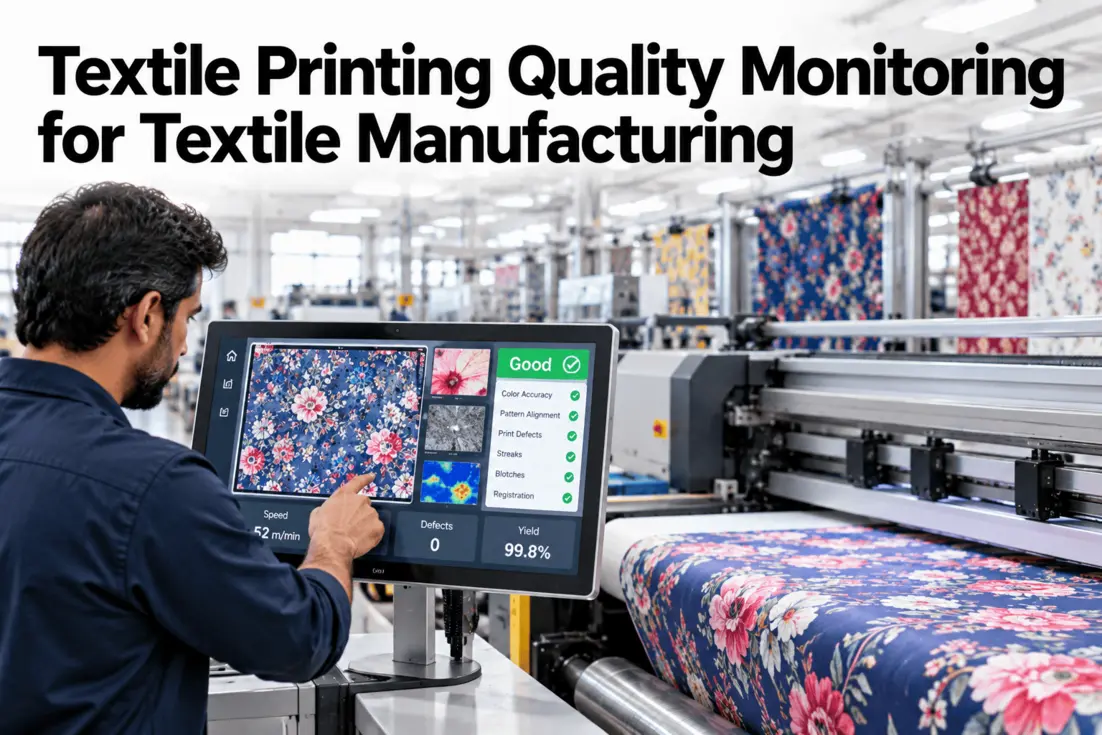
At higher speeds, a printer may have less tolerance for issues such as missing nozzles, streaks, droplets, insufficient ink coverage, or visible pass lines. Printhead condition, alignment, fabric movement, and ink behavior all affect the final result. PrintSafari notes that clogged, dirty, or misaligned printheads can create white streaks or droplets on printed textiles.
A fast printer that produces defects may require operators to slow down, stop for cleaning, reprint fabric, or segregate questionable rolls. The resulting delay affects more than the printer itself. It can leave fixation, washing, drying, coating, inspection, and cutting operations waiting for usable material.
Source: ifactoryapp
The relevant question is therefore: how many first-quality meters can the printer deliver during a normal shift after setup, cleaning, testing, pauses, and quality losses? That is the number to compare between machines.
Shade variation can be more expensive than a visible print defect
A visible streak may be caught quickly, but shade variation can create a wider commercial problem. If one roll differs from another, a buyer may be unable to cut them into the same garment order, panel set, or coordinated home-textile collection.
Color consistency depends on more than the printer. Fabric absorbency, pretreatment uniformity, ink chemistry, printhead performance, fixation conditions, washing, drying, and operator control can all influence the final shade. A printer should therefore be evaluated as part of a process, not as an isolated box on the print floor.
For repeat orders, assess whether the supplier can demonstrate stable color management and practical procedures for reproducing approved shades. This should include how profiles are controlled, how printheads are maintained, how operators verify output, and how the factory records production settings.
A market review from Future Market Insights identifies continuous running stability, nozzle health, batch-to-batch color consistency, and service support as important buyer concerns. Those factors directly affect whether a printer can deliver consistent fabric across seasonal or repeat production.
The cost of poor quality can outweigh faster output
The cost of poor quality includes more than wasted ink and fabric. It can include labor for inspection and troubleshooting, reprinting time, delayed delivery, finishing capacity consumed by rejected fabric, disposal or downgrading of material, and pressure on customer relationships.
A linked r/textiles discussion specifically raises reprints, rejected fabric, shade variation, and production defects as factors that should be considered alongside printer speed. That framing is useful because a printer decision should account for losses that occur after the fabric leaves the print zone.
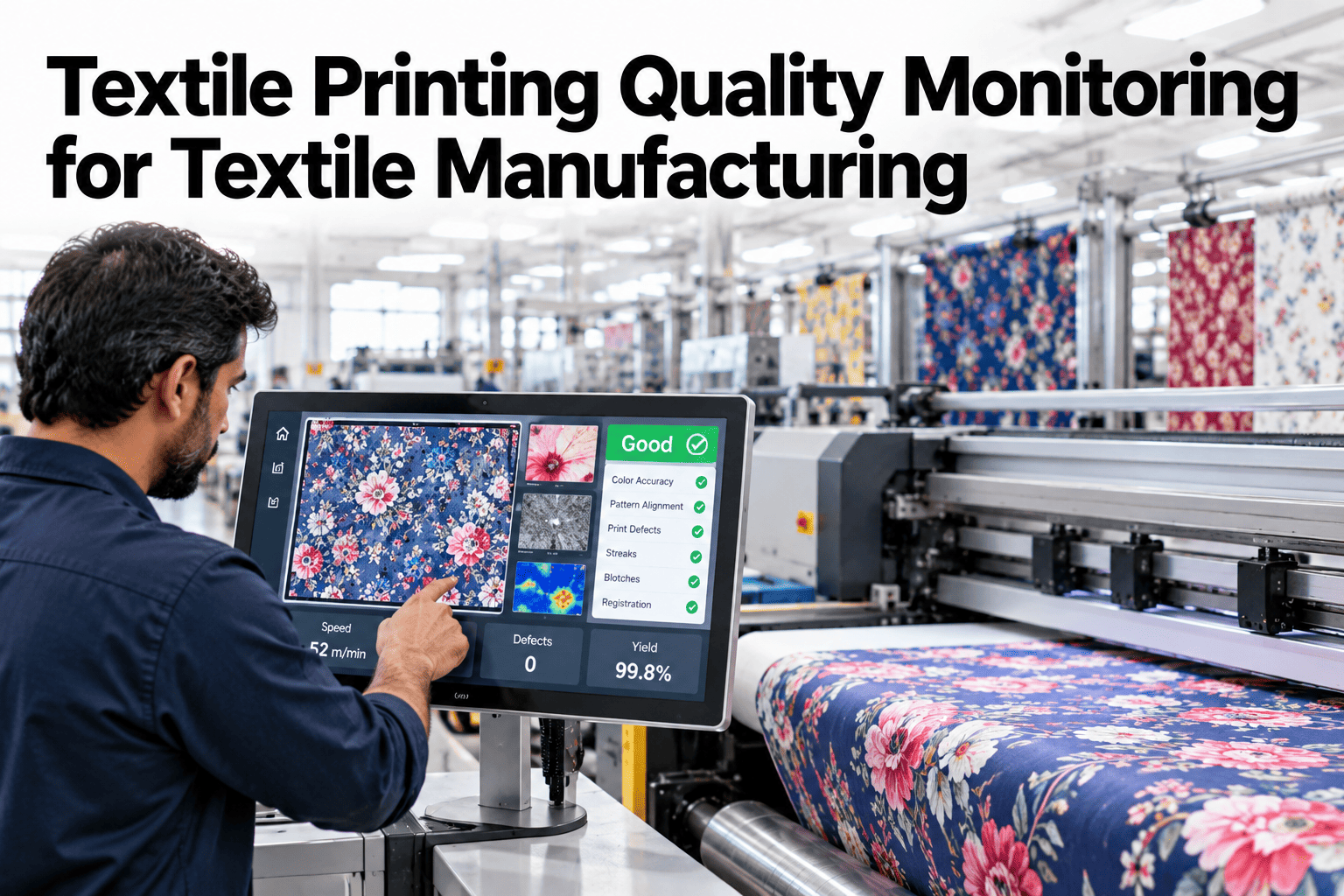
Before buying, build a comparison around first-pass yield: the share of printed fabric that passes inspection without rework. Do not rely on an assumed yield from a sales presentation. Ask to see production samples, routine cleaning requirements, expected changeover procedures, and evidence of how defects are detected and handled.
Ink, fabric, and pretreatment compatibility are part of the machine decision
A printer cannot be evaluated separately from the ink system and the materials it must print. Different applications may require different ink chemistries and preparation routes. Fabric type, fiber content, construction, coating, absorbency, and intended end use all influence whether the result will meet expectations.
This is why a printer that performs well on polyester transfer applications may not be the best match for a business focused on reactive printing of cellulosic fabrics or acid printing of silk and wool. The design requirements also matter: vivid solid colors, fine detail, soft hand feel, high wash performance, and deep penetration can create different process priorities.
Guidance on choosing digital fabric printers similarly emphasizes matching the printer to fabric types and design requirements. Buyers should ask suppliers to print their own fabric and artwork, then complete the actual fixation and finishing route before approving the result.
Single-pass and multi-pass systems solve different problems
Single-pass equipment can offer very high output for operations with the volume, capital, process discipline, and order flow to use it effectively. However, a faster production engine also requires reliable upstream fabric preparation and enough downstream capacity to fix, wash, dry, inspect, and ship the material.
Multi-pass equipment is generally more flexible for lower or more variable volumes, shorter runs, sampling, and frequent design changes. PrintSafari suggests multi-pass digital printing may suit annual output in the lower-volume range, while single-pass may be more relevant for substantially larger annual volumes. These figures should be treated as broad guidance rather than a universal purchasing rule because product mix and workflow differ by factory.
The right decision depends on whether the business needs maximum capacity every day or needs flexibility, controlled quality, and manageable risk across many smaller jobs.
Evaluate maintenance and service as production variables
Downtime turns theoretical speed into lost capacity. Ask how often routine cleaning is required, who can perform it, what consumables are needed, how long common interventions take, and whether the local service team can support the machine promptly.
Also consider the consequences of a printhead problem. A printer with an impressive top speed may still be a poor fit if a stoppage creates a long wait for technical support or replacement parts. The same Future Market Insights review notes that local technical support can carry substantial weight because unexpected stoppages disrupt delivery schedules and reduce print-floor utilization.
During digital textile printer selection, assess the supplier’s service organization as carefully as the printer specifications. A lower purchase price or higher advertised output does not compensate for repeated disruption when production deadlines are tight.
Choose the printer that fits the whole factory
The best printer is the one that fits the complete workflow: fabric preparation, printing, drying, fixation, washing, finishing, inspection, and dispatch. It should match the fabrics and inks the business intends to use, the quality level customers approve, the size and variability of orders, and the technical support available locally.
A practical buying decision should compare each candidate at the same quality target and include expected first-pass yield, cleaning time, changeovers, color-control procedures, maintenance needs, service response, and downstream capacity. When those factors are included, the fastest digital textile printer may still be the right choice—but only if it can convert its speed into consistent, saleable fabric.
References
- Explore the Global Digital Textile Printing Market — analysis of key trends, regional growth, top players, and a 10-year forecast from 2026 to 2036.. futuremarketinsights.com. https://www.futuremarketinsights.com/reports/digital-textile-printing-market
- Digital Textile Printing | PrintWiki | PrintSafari.com. printsafari.com. https://www.printsafari.com/pages/printwiki/guide-digital-textile-printing
- How to Choose the Perfect Digital Fabric Printer: A 3-Step .... linkedin.com. https://www.linkedin.com/pulse/how-choose-perfect-digital-fabric-printer-3-step-checklist-yxxvc
- Complete Guide To Buying Digital Printing Machines For Fabrics. boyindtg.com. https://www.boyindtg.com/news/complete-guide-to-buying-digital-printing-machines-for-fabrics
- Best Digital Textile Printing Machine Cloth Fabric Printer. colorjetgroup.com. http://www.colorjetgroup.com/textile-printers
- How to Choose the Best Digital Textile Printing Machine. lainkjet.com. https://www.lainkjet.com/article/how-to-choose-digital-textile-printer
- TEXTILE PRINTING PRODUCTION SPEED - THE PROMISE AND THE REALITY - MAKE THE RIGHT CHOICE — TEXINTEL. texintel.com. https://www.texintel.com/blog/2020/6/29/textile-printing-production-speed-the-promise-and-the-reality-make-the-right-choice
- Digital textile printing cost: 5 hidden costs and which questions to ask. blog.spgprints.com. https://blog.spgprints.com/digital-textile-printing-cost