How Can Shoppers Assess Fabric Durability Beyond Fiber Content?
Table of Contents
A fiber label cannot tell you, by itself, whether a garment will stay smooth, strong, colorfast, and wearable over time. Fabric durability comes from a combination of fiber quality, yarn formation, fabric construction, finishing, garment design, expected friction, and care. A well-made cotton shirt can outlast a poorly made one with the same cotton percentage, and a synthetic blend can be practical in one construction but prone to surface wear in another.
The most useful shopping approach is to treat fiber content as a starting point, then inspect the fabric and garment for clues about how they are likely to perform in your real life. You cannot duplicate laboratory abrasion or wash testing in a fitting room, but you can spot warning signs and compare similar items more intelligently.
Start with the job the garment must do
Durability is not one single property. A work shirt needs to resist abrasion at the elbows and cuffs. Leggings need recovery and resistance to rubbing at the inner thighs. A sweater needs to avoid excessive fuzzing and pilling. A dark shirt needs to retain color through washing and exposure to light.
Textile durability is generally understood as a fabric’s ability to maintain its strength, shape, appearance, and function through wear, washing, and other stresses. The relevant stress matters. Abrasion resistance, for example, changes with the material causing friction, the force applied, fabric tension, and whether the fabric is wet or dry, according to CottonWorks’ overview of garment durability.
Before comparing labels, ask where the garment will rub, stretch, snag, get washed, or see sunlight. A delicate open-knit cardigan may be perfectly appropriate for occasional indoor wear but a poor choice for a backpack commute or frequent machine washing.
Look past the fiber name to fiber quality and yarn quality
Two garments can both be labeled cotton, wool, linen, polyester, or a blend and still perform very differently. Fibers vary in length, fineness, consistency, and strength. In spun yarns, longer and more uniform fibers can create a smoother yarn with fewer loose ends sticking out. That smoother surface may help reduce fuzzing and improve the fabric’s appearance over time.
Yarn twist is another important variable. Twist binds fibers together. If a yarn is too loose, fibers may work their way out more readily, creating fuzz and pills. Higher twist can improve resistance to pilling up to a point, although very high twist can also change hand feel, drape, and fabric character. The relationship is not simple enough to judge from a label, but it explains why two similar-looking cotton tees may age differently.
A smooth, even-looking surface is usually a better sign than one that already appears hairy, fuzzy, or uneven when new. That is especially useful when choosing jersey, fleece, brushed fabrics, and sweaters, where loose surface fibers are more exposed.
Inspect fabric construction, not just thickness
Thick fabric is not automatically durable, and lightweight fabric is not automatically poor quality. Construction is more informative than weight alone.
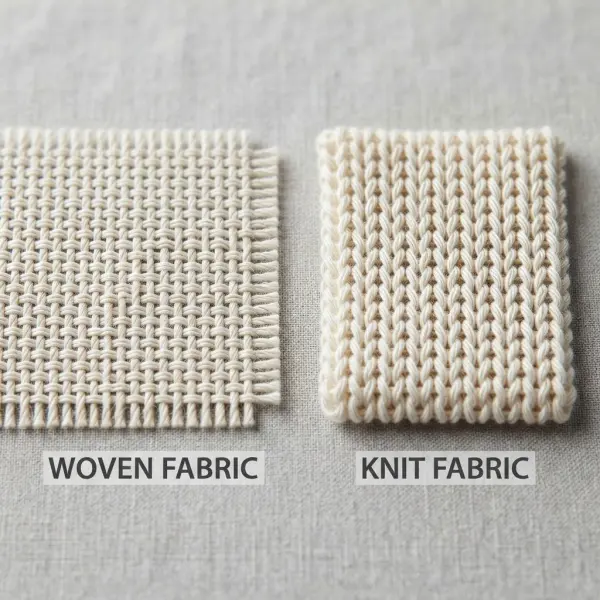
A dense fabric structure tends to hold yarns and fibers more securely. Closely interlaced woven fabrics, such as many twills and canvases, often tolerate surface abrasion well. Open structures give fibers more room to move and snag. Knits can be comfortable and flexible, but some open or loosely knitted fabrics are more vulnerable to distortion, snagging, and pilling than compact knits.
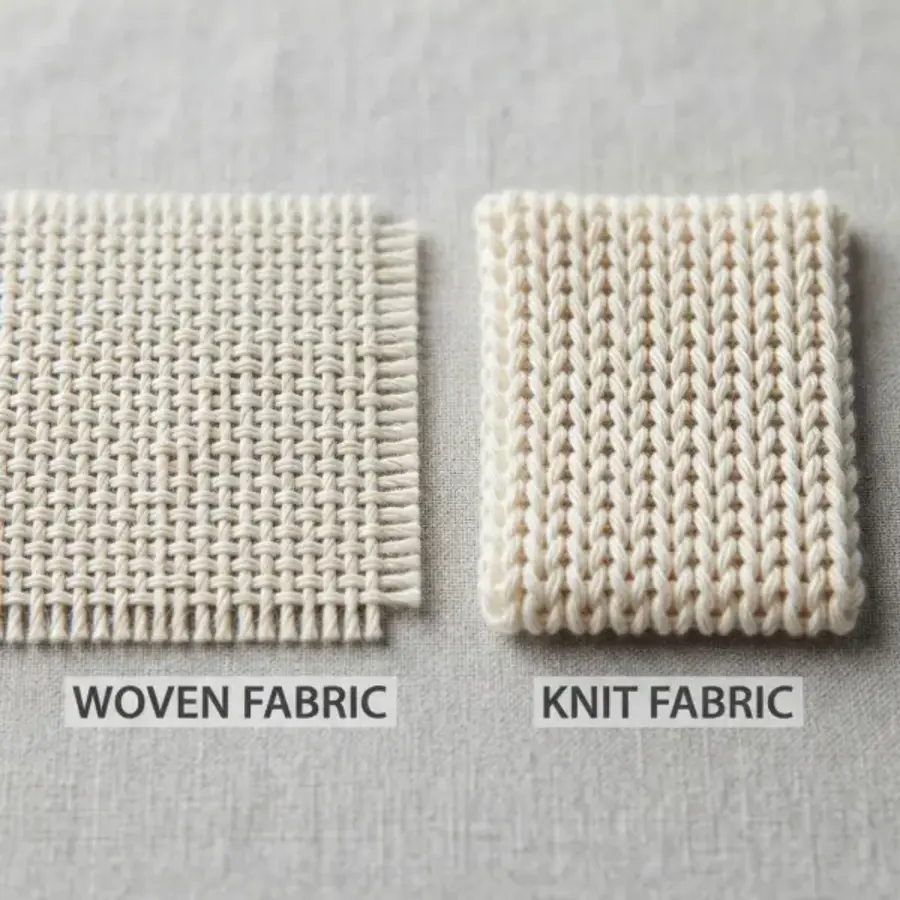
Source: fitinline
When examining a garment, hold it up to the light and compare areas of the fabric:
- Look for a reasonably even weave or knit, without conspicuous thin spots, gaps, or irregular yarn spacing.
- Gently stretch a knit and let it relax. It should return evenly rather than stay distorted or reveal sparse areas immediately.
- For woven fabric, check whether the yarns look firmly packed rather than unusually loose or easily shifted.
- Compare panels on the same garment. Inconsistent density can signal uneven construction or create weak-looking areas.
Density is useful, but more is not always better. Extremely fine yarns packed into a high-count fabric may produce a refined feel while remaining delicate. The goal is appropriate construction for the garment’s intended use, not simply the highest possible thread count or the heaviest hand.
Watch for pilling clues before you buy
Pilling occurs when loose fibers form fuzz, tangle into small balls, and remain attached to the fabric surface. It is affected by fiber type and dimensions, yarn twist, fabric construction, finishing, and end use. The Eco-Standard durability report notes that dense structures and tightly interlaced woven fabrics generally hold fibers more effectively than open constructions, while yarn twist and surface treatments also influence pilling.
A shopper cannot reliably predict every pilling outcome, but these signs can help:
- Be cautious with a garment that has visible fuzz or loose fibers while still on the rack.
- Consider where friction will occur: underarms, side seams, seat areas, inner thighs, cuffs, and spots under bags or seat belts often show wear first.
- Feel the surface. A very soft, lofty, brushed finish can be desirable, but it may be more exposed to surface change than a smoother finish.
- Check product reviews for reports about wear after washing, while remembering that fit, use, and care vary between buyers.
A discussion in r/femalefashionadvice includes a shopper comment describing fabrics that pilled, faded, and attracted lint and pet hair. That is an individual experience rather than controlled evidence, but it reflects why appearance durability deserves attention alongside fiber labels.
Assess color and surface finish carefully
Color fading depends on more than whether a fabric is natural or synthetic. Dye selection, dyeing process, finishing, washing chemistry, heat, and light exposure all matter. You cannot verify colorfastness at a store without test data, but you can inspect the garment for clues.
Look at seams, folds, plackets, pockets, and edges. Uneven color, pale streaks, or a chalky-looking surface may be reasons to look more closely. Dark, saturated garments deserve particular care because fading is often more visible on them. If color retention is important, follow the care label from the start: washing inside out, using suitable detergent, avoiding unnecessary heat, and limiting prolonged direct sun exposure can reduce avoidable color loss.
Also assess lint attraction separately from strength. Static-prone or fuzzy surfaces may collect hair and lint even when the underlying fabric is structurally sound. If this is a daily frustration for you, press the fabric lightly against your sleeve, scarf, or a nearby lint-prone surface when possible. This is not a formal test, but it can reveal whether the garment’s surface is likely to be high-maintenance.
Check seams, stress points, and garment engineering
A durable fabric cannot compensate for weak garment construction. Inspect the places where fabric is cut, stretched, and joined:
- Seams should lie flat and look consistently stitched, without skipped stitches, loose thread tails, or visible strain.
- At curved seams, pockets, crotches, armholes, and closures, check for puckering or separated seam edges.
- Look for reinforcement where the garment will bear stress, such as bartacks, stable facings, securely attached buttons, or well-supported zippers when appropriate to the design.
- Turn the garment inside out if possible. The inside often reveals seam allowance, stitch consistency, and whether edges are likely to fray.
Fit affects longevity too. A garment that is constantly stretched at the bust, hips, thighs, shoulders, or closures will experience more stress than one that fits its intended silhouette. Buying a stronger fabric in an overly tight fit does not necessarily produce a longer-lasting garment.
Use the care label as a durability clue
Care instructions do not prove quality, but they show what conditions the manufacturer expects the garment to tolerate. A hand-wash or dry-clean recommendation is not automatically a negative; it may be reasonable for silk, fine wool, tailored clothing, or a delicate construction. It does mean the garment may not suit a buyer who needs easy, frequent machine care.
Match care demands to your habits. If an item will realistically be washed after every wear, choose one designed for that cycle. If you know you use a dryer, avoid assuming that a fabric requiring low heat or line drying will remain stable under repeated high heat.
Make the final comparison within the same garment category
When deciding between two similar items, prioritize the one with the more even fabric, smoother surface, appropriate density, stronger seams, and care requirements you can actually follow. Fiber content remains relevant, especially for comfort, moisture behavior, stretch, and end-of-life considerations, but it should not be treated as a shortcut for garment quality.
The best durable purchase is not necessarily the one labeled with the most prestigious fiber. It is the garment whose material, construction, finish, fit, and care needs match how you will wear it. That broader assessment gives shoppers a more realistic way to judge fabric durability before the first wash.
References
- What is textile durability? How fabrics last longer and .... repax.io. https://www.repax.io/glossary/what-is-textile-durability-how-fabrics-last-longer-and-reduce-waste
- Durability of fabrics and garments. researchgate.net. https://www.researchgate.net/publication/288455457_Durability_of_fabrics_and_garments
- Garment Durability | CottonWorks™. cottonworks.com. https://cottonworks.com/learning-hub/quality-assurance/garment-durability
- The Science Behind Fabric Durability & Testing - Regal Fabrics. regalfabrics.com. https://www.regalfabrics.com/the-science-behind-fabric-durability-testing
- Deep dive: Standards to measure textile durability. ecostandard.org. https://ecostandard.org/resources/report-deep-dive-standards-to-measure-textile-durability
- Understanding and Improving the Durability of Textiles. sciencedirect.com. https://www.sciencedirect.com/book/9780857090874/understanding-and-improving-the-durability-of-textiles
- Premium Fabrics | Key Factors That Make Clothing High-Quality – LVLL™. thelvll.com. https://www.thelvll.com/blogs/fabrics/premium-fabrics
- How Long Will Your Favorite Fabrics Actually Last? - Moda Material. modamaterial.com. https://modamaterial.com/fabric-durability-lifespan-guide