How Can Apparel Brands Validate Fabric Before Bulk Production?
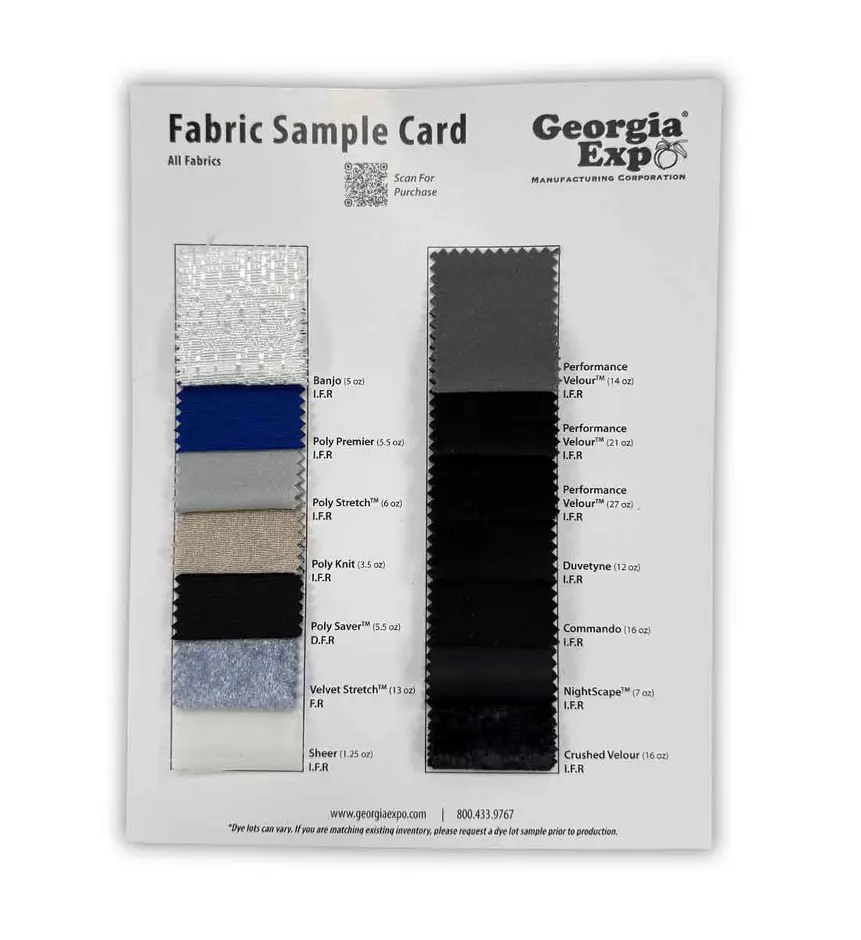
Table of Contents
A brand can validate fabric before bulk production by turning its design idea into a written approval standard, then checking the actual production fabric against that standard before cutting begins. The approval should cover more than fiber content and a target weight. It should define the approved hand feel, construction, usable width, color reference, GSM tolerance, shrinkage limits, stretch or recovery where relevant, and the lot-specific conditions that must be met.
This process is often called fabric quality validation before bulk production. Its purpose is simple: prevent a garment sample made with one fabric from becoming a bulk order made with a noticeably different fabric. A supplier may meet a broad description such as “100% cotton jersey, 180 GSM” while the actual fabric still differs in softness, drape, shade, width, wash behavior, or stability.
Start with an approval standard, not a vague fabric description
The first step is to create one fabric specification that both the brand and supplier can use. A fabric name, composition, and target GSM are necessary, but they are not enough to establish a repeatable production standard.
Your fabric specification should identify:
- Fabric type and intended garment use
- Fiber composition and blend ratio
- Construction, such as knit or woven structure
- Target finished GSM and an agreed tolerance
- Finished usable width
- Color name and a physical color reference or approved standard
- Surface appearance, including texture, luster, brushing, peaching, print, or wash effect
- Hand feel and drape expectations
- Stretch direction, stretch range, and recovery requirements when applicable
- Required finishing treatments
- Expected care method
- Acceptable shrinkage after the intended wash process
- Any performance requirements important to the product, such as colorfastness, pilling resistance, tear resistance, or seam performance
A physical reference swatch is especially useful. Label it with the style, color, date, supplier, and version number. A photo can supplement the record, but it should not replace a real swatch when hand feel, surface texture, and color are critical.
Approve fabric from the production lot whenever possible
A development sample can confirm that a fabric concept works, but it may not represent the bulk fabric. Pre-production samples are sometimes made from substitute material because the exact bulk fabric has not yet been produced or delivered. That makes lot approval important before bulk cutting.
Ask the supplier or factory to identify which rolls, dye lots, or production lots will be used for the order. Review the actual bulk fabric or a representative cutting from it, rather than relying only on an earlier swatch.
A useful approval record should state:
- Supplier and mill name
- Fabric article or internal code
- Color and color code
- Production lot or dye lot number
- Roll numbers or roll range, where available
- Quantity represented by the approval
- Date received and reviewed
- Test results and observations
- Approval status: approved, approved with conditions, or rejected
This distinction matters because a fabric approval is not automatically transferable to every future shipment. Color, weight, finishing, and dimensional behavior can vary between lots.
Check GSM, width, hand feel, and construction together
GSM is a valuable control point because it affects garment weight, opacity, warmth, drape, and consumption. But it should be evaluated alongside construction and hand feel. Two fabrics can have similar GSM readings while behaving very differently because of yarn quality, knit tension, weave density, finishing, or dyeing.
When reviewing a lot, compare it with the approved standard under the same conditions. Look for changes in:
- Thickness and perceived weight
- Drape and stiffness
- Surface smoothness or hairiness
- Stretch and recovery
- Opacity
- Skew, bowing, or distortion
- Width and edge condition
- Noticeable changes in texture after handling or washing
Record the target GSM and the tolerance agreed with the supplier instead of assuming that any variation is acceptable. The right tolerance depends on the fabric, garment category, intended fit, and factory capability. A lightweight fitted tee, a structured trouser, and a loose fleece garment may need different controls.
Review shade banding before fabric reaches the cutting table
Shade variation can create visibly mismatched garments, especially when different panels of one garment are cut from different rolls or when a collection contains matching separates. This is why shade banding is more than a cosmetic review.
Request a shade-band review using cuttings from across the lot. Compare samples side by side with the approved color standard under suitable lighting. The goal is to identify whether rolls are visually consistent and whether separate shade groups need to be managed.
If there is variation, decide before cutting how the fabric will be controlled. Depending on the garment and the degree of variation, the factory may need to:
- Keep each garment cut from one compatible shade group
- Avoid mixing rolls within a garment
- Separate production by lot or shade group
- Reserve a visibly different group for another colorway, order, or use
- Reject the lot if it does not meet the agreed color standard
Do not approve a shade only from a single folded piece. A fabric roll can show variation between beginning, middle, and end, and different rolls may not match one another.
Wash test fabric before finalizing bulk cutting
Fabric shrinkage testing is essential when the garment will be washed by the consumer, washed during production, or subjected to garment dyeing, enzyme washing, softening, or other finishing processes. Shrinkage can change body length, chest width, sleeve length, inseam, neckline shape, and overall fit.
Use the intended care method and document the procedure. Mark a fabric specimen in both length and width directions, wash and dry it as planned, then measure the change. Where practical, make and wash a representative garment as well, because sewing, panel direction, trims, and garment construction can affect the final result.
Review more than dimensional change. Check the washed specimen for:
- Change in hand feel
- Twisting or spirality in knit garments
- Puckering or distortion
- Color loss, staining, or dye transfer
- Surface changes such as fuzzing, pilling, or excessive roughness
- Changes in stretch and recovery
Set the allowable shrinkage limit before production. If the bulk fabric exceeds that limit, the pattern may need adjustment, the finishing process may need review, or the lot may need to be rejected. Making that decision after thousands of panels have been cut is far more difficult.
Confirm that the approved fabric works in the actual garment
Fabric approval and garment approval should connect. Before authorizing bulk cutting, make a pre-production garment using the approved or representative bulk fabric, final trims, correct pattern, and intended sewing method.
The garment review should confirm that the fabric performs correctly in the style. For example, inspect whether it causes seam puckering, excessive stretching at necklines, poor collar recovery, show-through at stress points, or unexpected changes in measurements after washing.
A supplier guide on garment sampling notes that physical samples are useful for evaluating properties such as texture, weight, stretch, drape, and comfort before production. The same principle applies to bulk readiness: fabric should be checked as both a material and part of the finished garment.
Document sign-off before the factory cuts
The final step is a written release. Verbal approval, chat messages, and unlabelled swatches are easy to misinterpret later. Use a fabric approval form or pre-production approval record that identifies exactly what has been accepted.
A practical apparel pre-production checklist should include:
- Approved fabric specification and reference swatch
- Confirmed fiber content and construction
- Bulk lot, dye lot, and roll identification
- GSM and width review results
- Shade-band review and roll-handling instructions
- Shrinkage and wash-test results
- Any required performance test results
- Approved pre-production garment review
- Cutting restrictions or lot segregation instructions
- Named approver, date, and approval conditions
If an issue is accepted conditionally, write the condition clearly. For example, a lot may be approved only if rolls from separate shade groups are not mixed within the same garment. A conditional approval without instructions is likely to be treated as a full approval on the factory floor.
Avoid the common mistake of approving only composition and GSM
A discussion in the textiles community described early production runs where inconsistent hand feel, GSM variation, shade differences, and unexpected wash shrinkage appeared in finished garments. The contributor said their team shifted toward validating fabric lots, shrinkage tolerances, and color consistency before bulk production rather than rushing into garment samples. This is a practitioner account rather than universal evidence, but it reflects a common production risk: broad fabric specifications can leave too much room for variation.
The strongest safeguard is to treat fabric approval as a controlled handoff. Define the material clearly, inspect the real production lot, test the behavior that affects the garment, document the decision, and do not release bulk cutting until the approved standard and the delivered fabric match.
References
- Essential Fabric Quality Reports for Approval | PDF | Textiles. scribd.com. https://www.scribd.com/document/504399491/Essential-Fabric-Quality-Reports-for-Bulk-Cutting-Approval-of-Fabrics-12Oct20
- Why Your Pre-Production Sample May Look Different From Bulk. starsdesigngroup.com. https://starsdesigngroup.com/2026/09/09/why-your-pre-production-sample-may-look-different-from-bulk
- PART 05 — QUALITY CHECK Where every .... facebook.com. https://www.facebook.com/Vikramapparels/posts/part-05-quality-checkwhere-every-detail-is-verified-a-product-may-look-ready-but/1555298889947589
- How to Test Uniform Fabric Before Bulk Production. facebook.com. https://www.facebook.com/100079282933564/posts/how-to-test-uniform-fabric-before-bulk-productiona-step-by-step-guide-to-testing/1057237750262313
- Garment Sampling to Production: How Brands Reduce Risk Before Bulk Orders | Tris Apparel. trisapparel.com. https://trisapparel.com/garment-sampling-to-production
- The Sample Yardage Dilemma: How Buyers Can Secure Enough Fabric for Pre-Production Testing Without Triggering Bulk Pricing Tiers. sungiltex.com. https://www.sungiltex.com/post/the-sample-yardage-dilemma-how-buyers-can-secure-enough-fabric-for-pre-production-testing-without-t
- Why is fabric testing important before ordering wholesale .... quora.com. https://www.quora.com/Why-is-fabric-testing-important-before-ordering-wholesale-fabrics
- Fabric Quality Standards for Mass Production – New Creations Fabric & Foam Inc. newcreationsfabricsinc.com. https://www.newcreationsfabricsinc.com/blogs/news/fabric-quality-standards-mass-production