How Should a Clothing Startup Prepare a Fabric and Manufacturer Sourcing Brief?
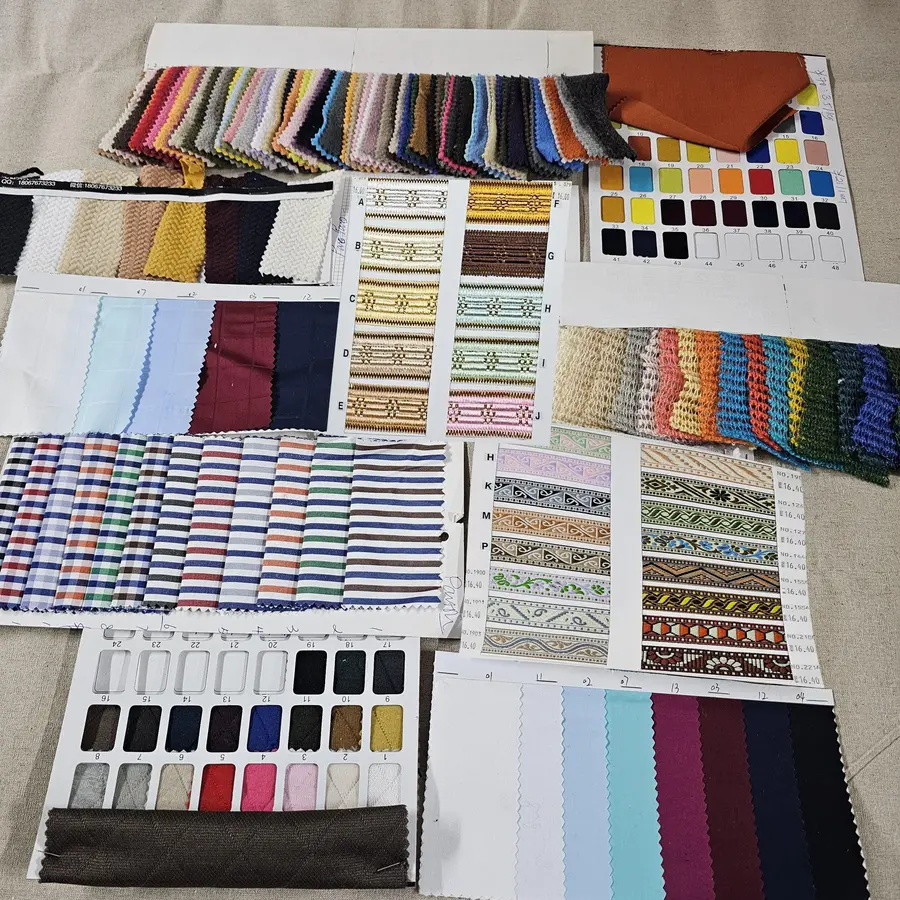
Table of Contents
A clothing startup should prepare one concise, consistent fabric sourcing brief before contacting factories. At minimum, it should explain the garment, the desired fabric, estimated order quantity, color and size breakdown, reference materials, sample expectations, destination market, and required delivery date. Sending the same information to each prospective supplier makes their answers easier to compare and reduces vague quotes based on assumptions.
Your first manufacturer inquiry does not need to be a complete production file. It does need to be specific enough for a factory to say whether it can make the style, source or use the fabric, meet the likely apparel MOQ, and develop a sample within your timeline. A useful brief prevents an early conversation from becoming an unstructured exchange of photos, guesses, and changing requirements.
Start with the garment, not just a fabric name
Describe exactly what you want to make before asking a factory to recommend material. State the product category, such as a fitted rib-knit top, lined woven dress, fleece hoodie, or relaxed trouser. Include the intended customer, season, use case, and target fit.
Then provide visual and technical references:
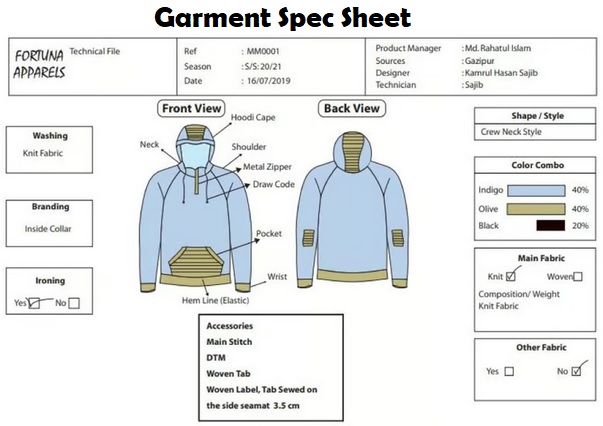
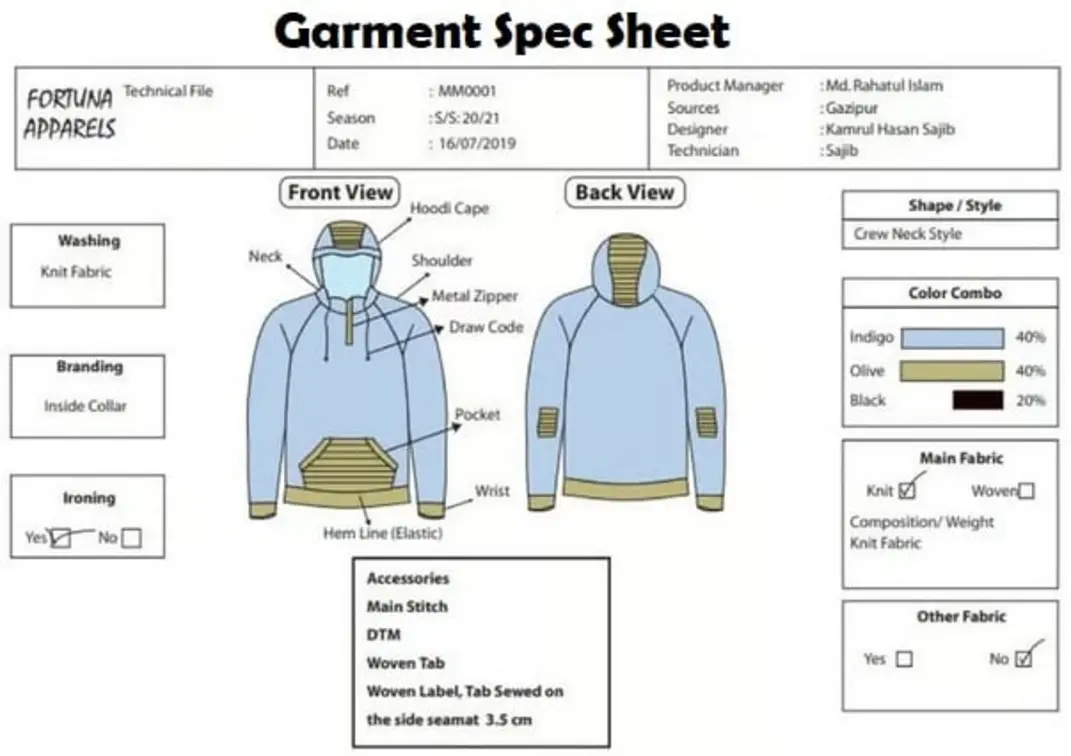
- Clear front, back, and detail sketches or flats
- Reference photos showing the intended silhouette and construction
- A physical reference garment, if practical, or well-lit photos with measurements
- A measurement chart with the base size and grading range
- Notes on critical fit points, such as body length, sleeve width, rise, inseam, neckline, or ease
A reference garment is useful for communicating appearance and hand feel, but it should not be treated as a complete specification. Tell the factory which features are essential and which are only inspiration. For example, you may need the same drape and neckline but not the same seam finish or color.
Source: textileblog
Define the fabric target in measurable terms
“Soft cotton” or “premium stretch fabric” is not enough for a supplier to quote reliably. A fabric sourcing brief should give a target rather than an unsupported exact specification if you are still developing the product.
Include as many of these details as you know:
- Fiber composition: For example, cotton jersey, linen-viscose woven fabric, polyester-spandex interlock, or a preferred range of acceptable blends.
- Construction: State whether the material is knit, woven, fleece, rib, denim, poplin, twill, satin, or another known construction.
- Weight: Give a target GSM for most knits and wovens, or ounces where that is the normal convention for products such as denim. If you do not know the number, provide a swatch or reference garment and label weight as a point to confirm.
- Width: Record a required usable width if it affects yield, pattern placement, or cost estimates.
- Stretch and recovery: Explain the needed direction of stretch, approximate behavior, and whether recovery is critical after wear.
- Hand and structure: Describe whether the material should be crisp, fluid, brushed, compact, lofty, opaque, lightweight, structured, or breathable.
- Color and surface treatment: Specify stock colors versus custom dyeing, print placement, wash effects, coatings, brushing, or other finishes.
- Care and performance needs: Note relevant expectations such as shrinkage control, colorfastness, opacity, pilling resistance, or wash durability.
The goal is not to invent numbers. It is to distinguish firm requirements from preferences. FabStitch’s sourcing guidance similarly recommends starting with garment needs and documented specifications rather than relying on broad lifestyle descriptions.
Ask the supplier to identify any proposed substitution in writing. A change from one fiber blend, fabric weight, construction, or finish to another can affect fit, opacity, care, cost, and repeatability.
Include quantity by style, color, and size
A factory cannot provide a meaningful MOQ or price discussion from “a small first order.” State your planned quantity as clearly as possible, even if it is only an estimate.
Break the plan down into:
- Total units for each style
- Units by color
- Units by size
- Number of styles and colorways
- Expected first order versus possible reorder volume
- Whether the order is a market test, launch capsule, or repeatable core style
For example, 300 total units is less useful than saying 150 black and 150 cream units, with a proposed size ratio across XS through XL. Color and size splits can affect cutting efficiency, material consumption, dyeing requirements, and whether a supplier’s minimum is workable.
Do not assume the garment MOQ is the only minimum that matters. Fabric mills, dye houses, print suppliers, trim suppliers, and factories may each have separate minimums. A sourcing guide for apparel brands notes that mill minimums should be checked before sampling, particularly when custom colors or fabrics are involved.
State how you want sampling to work
Sampling is where a fabric choice becomes a garment decision. Tell the manufacturer what type of sample you need and what you intend to approve.
Your brief should clarify:
- Whether you need a prototype, fit sample, sales sample, size-set sample, pre-production sample, or another stage
- Whether the first sample may use substitute fabric or must use the proposed production fabric
- Which elements must be present in the sample, including labels, trims, artwork, print, embroidery, lining, packaging, or wash treatment
- Who pays for development, fabric, pattern work, sample shipping, and revisions
- The number of revisions you can accommodate before your target launch date
- Your approval process and expected turnaround time for comments
Ask the factory to explain what it needs from you before sampling starts, what the sample fee covers, and what event releases bulk production. Sampling and production lead times vary with garment complexity, material availability, custom dyeing, and revision cycles. Treat any quoted schedule as project-specific rather than as a universal promise.
Ask MOQ, timing, and pricing questions in the same inquiry
MOQ, lead time, and price are connected. A lower quantity may change the available fabric route, increase unit cost, limit color choices, or require stock materials. A supplier should be able to explain the assumptions behind its answer.
Ask each factory:
- What is the minimum order quantity per style, color, and size range?
- Are fabric, trim, print, embroidery, or custom-color minimums separate from the garment MOQ?
- Can the factory use customer-supplied fabric, source fabric, or do both?
- What is the lead time for sourcing, sampling, sample revisions, bulk production, quality control, and packing?
- When can materials be reserved or ordered, and what approval is needed first?
- What is included in the quote, and what is excluded?
- What happens to excess fabric or trims after production?
- What delivery terms, shipping options, and destination-country information are needed for a complete quote?
A manufacturer MOQ and lead-time guide emphasizes comparing supplier assumptions, not only the final numbers. One factory may quote against stock fabric while another has assumed custom development, so the prices may not represent the same production scenario.
Request evidence before committing to bulk production
A manufacturer inquiry should also begin your due-diligence process. Ask for information that helps you assess capability rather than relying only on polished product photos.
Request:
- Relevant examples of comparable garment categories or construction methods
- Available fabric swatches and fabric specification sheets
- Sample process details and revision policy
- Written MOQ, timing, payment, and quote assumptions
- Quality-control process and inspection options
- Available testing information for the proposed fabric when relevant to your market or product claim
- Documentation related to material certifications or compliance claims, if those claims matter to your brand
- Contact details, production location, and a clear point of contact for development questions
If a supplier claims it can provide certified material, ask what documentation applies to the actual fabric and order. Do not assume a general statement about organic, recycled, or other certified materials automatically applies to every available option.
A Reddit discussion about startup manufacturing advised founders to send a fabric target, rough quantity, size breakdown, reference sample, and delivery expectation before contacting a factory, while also asking for swatches, prior production references, clear MOQ and lead-time information, and a sample process before a bulk order. That practical advice comes from a user discussion on r/fashionstartup and should be treated as peer guidance, not proof of a particular supplier’s capability.
Send one controlled brief to every supplier
Create a dated PDF, spreadsheet, or shared folder and give it a version number. Include a short cover page listing the style name, revision date, contact information, target quantity, and requested response date. Keep drawings, measurements, fabric notes, artwork, and reference images together rather than scattering them across chat messages.
When a supplier responds, record its proposed fabric, MOQ level, sample cost, lead time, quote basis, exclusions, and unanswered questions in one comparison sheet. If you revise the brief, resend the new version to every supplier and identify what changed.
The best first sourcing brief is not the longest document. It is a clear statement of what you know, what you are willing to change, and what you need the factory to confirm before sampling or ordering bulk fabric. That clarity gives a startup a better chance of receiving comparable answers and choosing a manufacturer that fits both the garment and the business plan.
References
- How to Source Fabric for Clothing: A Step-by-Step Guide. mingxingclothing.com. https://mingxingclothing.com/blog/fabric-sourcing-and-sampling
- How to Evaluate a Fabric Supplier: B2B Buyer Checklist. amritaglobaltextiles.com. https://www.amritaglobaltextiles.com/blog/evaluate-fabric-supplier-b2b-checklist
- Fabric Sourcing for Clothing Brands | FabStitch. fabstitch.net. https://fabstitch.net/fabric-sourcing
- Fabric Sourcing for Apparel Brands | GSM, MOQ & Risk. meitinggarments.com. https://www.meitinggarments.com/guides/fabric-sourcing-for-apparel-brands
- Clothing Manufacturer MOQ, Sampling Cost and Lead Time. enqiapparel.com. https://enqiapparel.com/clothing-manufacturer-moq-cost-lead-time
- Apparel Manufacturing MOQ & Lead Times – April Su. aprilsu.com. https://www.aprilsu.com/blogs/sustainable-apparel-manufacturer-news/apparel-manufacturing-moq-and-lead-time-benchmarks
- How to Find a Clothing Manufacturer in 2026 (Step by Step). apparelentrepreneurship.com. https://www.apparelentrepreneurship.com/the-ultimate-guide-to-finding-the-right-clothing-manufacturer-for-your-brand
- How to Source Low MOQ Fabric for a Small Clothing Brand | AnVee. anveestudio.com. https://anveestudio.com/journal/low-moq-fabric-sourcing-small-brand