Fashion Accessories: Types, Trends and Their Importance
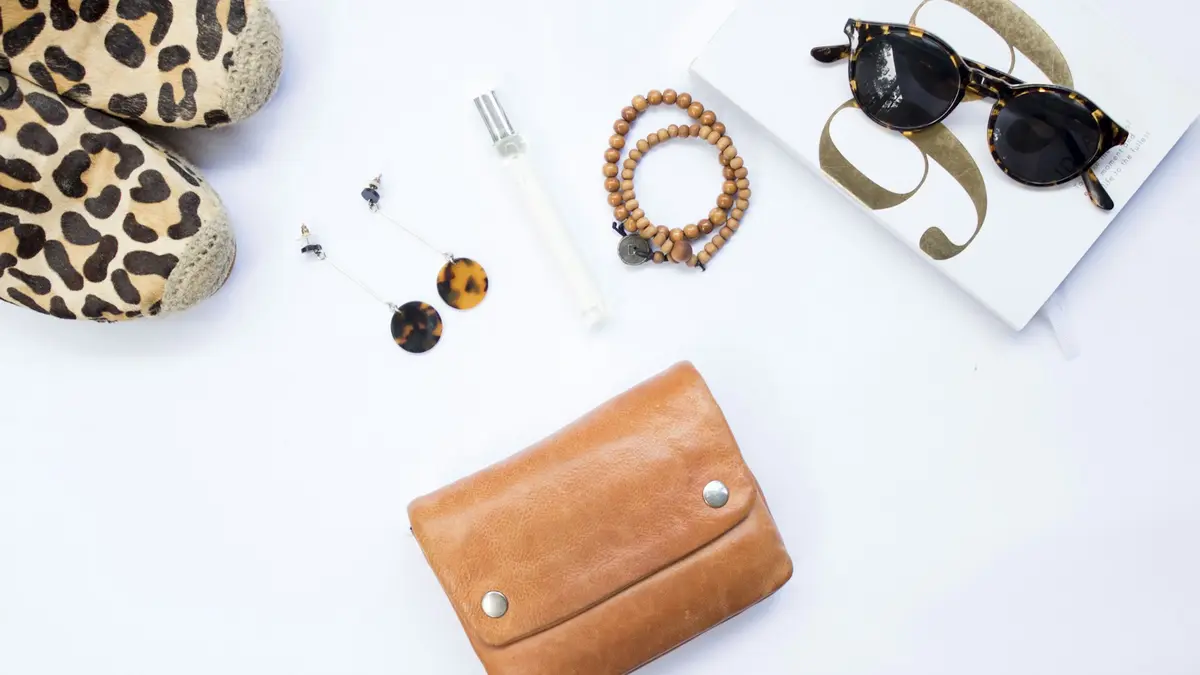
Table of Contents
Fashion Accessories: Types, Trends and Role
Fashion accessories are the items that add function, finish and individuality to clothing. They range from practical objects, such as bags, belts, eyewear and watches, to primarily decorative pieces, including jewellery, brooches and hair ornaments. Used thoughtfully, they can change the character of a familiar garment, adapt an outfit to an occasion and help communicate personal style.
For designers, merchandisers and fashion businesses, accessories are also an important product category. They offer opportunities to coordinate colour stories, materials and seasonal themes across an apparel collection. This article introduces major types of fashion accessories, selected style directions and the reasons accessories remain important in dressing and fashion retail.
What Are Fashion Accessories?
Fashion accessories are supplementary items worn, carried or applied to complement clothing. They may add visual interest, provide a practical service or do both at once. A leather belt, for example, can secure a garment while defining the waist, while sunglasses protect the eyes and contribute to a recognisable look.
Accessories are often used to personalize a basic outfit. Differences in shape, scale, colour, surface finish and material can create very different impressions: a fine chain may appear understated, while an oversized necklace can become the focal point of an ensemble. They can also reflect cultural traditions, professional dress codes, ceremonies, hobbies and individual preferences.
Common examples include jewellery, handbags, belts, scarves, gloves, hats, eyewear, watches, ties, socks, tights, pins and hair accessories. Shoes are frequently treated as accessories in fashion styling, although they are also essential functional products with their own footwear category.
Main Types of Fashion Accessories
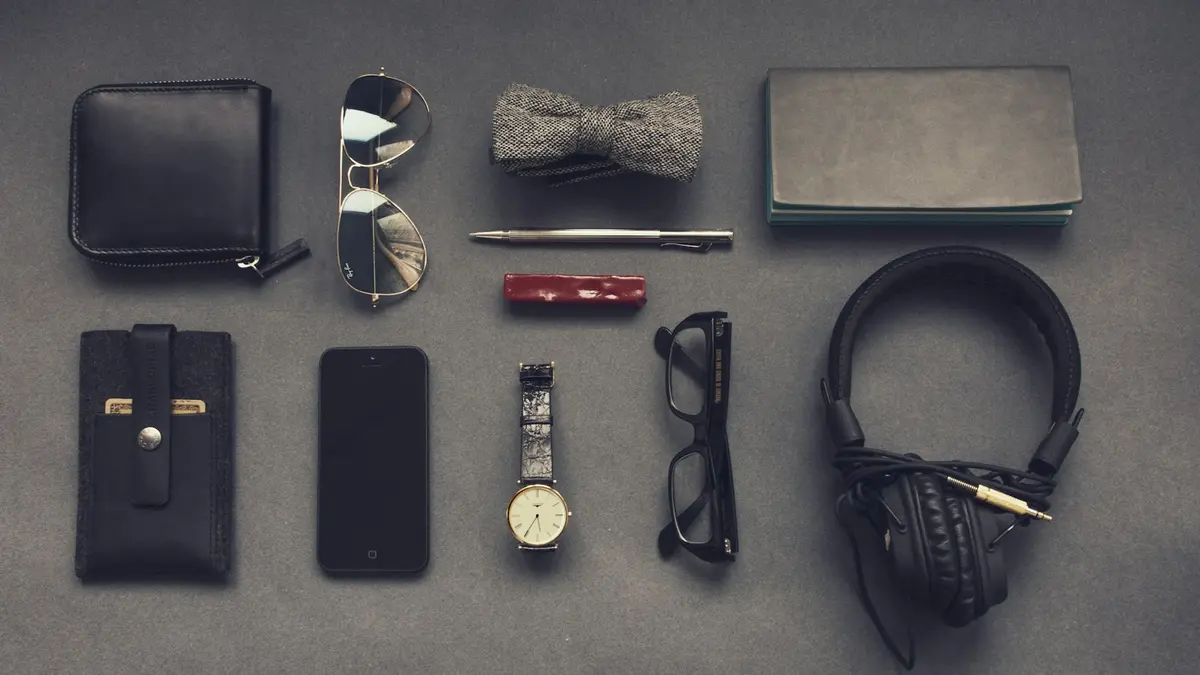
Fashion accessories can be grouped by their location on the body, their method of use and their main purpose. Jewellery is generally worn on the body; bags and wallets are carried; while belts, scarves and ties interact directly with garments. In practice, many accessories combine utility and decoration rather than fitting one category exclusively.
Source: Unsplash
Bangles, Bracelets and Wristbands
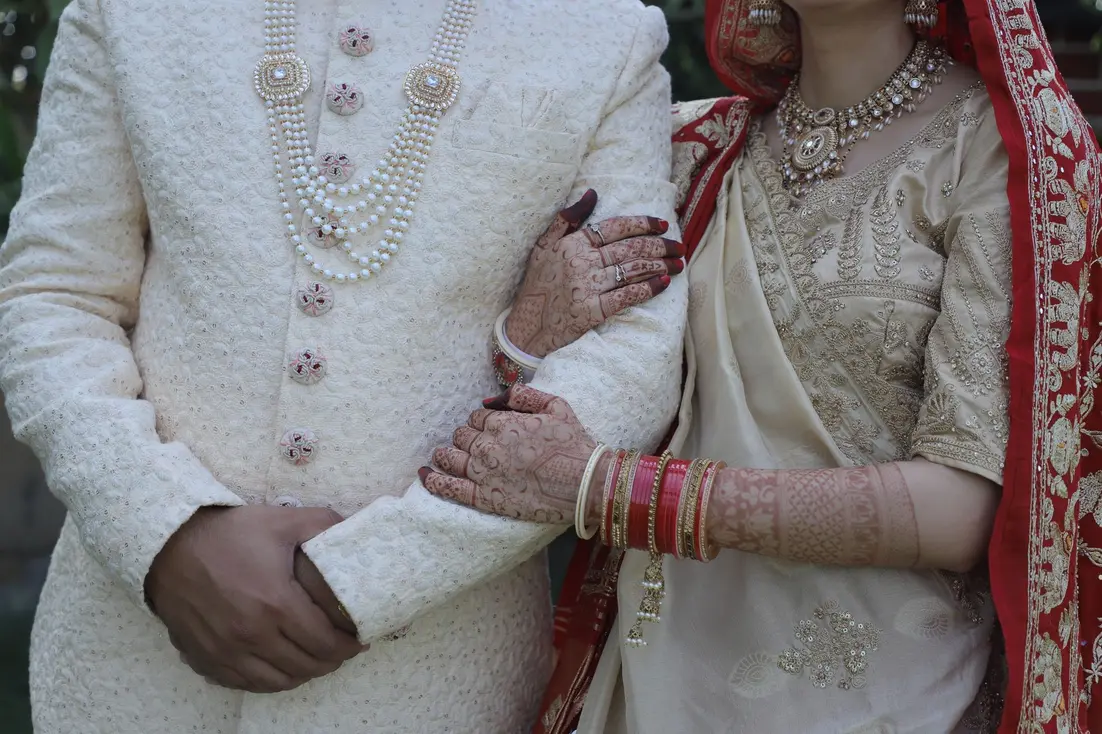
Bangles, bracelets and wristbands are worn around the wrist. A bangle is usually a rigid, circular piece that slips over the hand or opens with a hinge. Bracelets are often more flexible and may use links, chains, cords, clasps or adjustable closures.
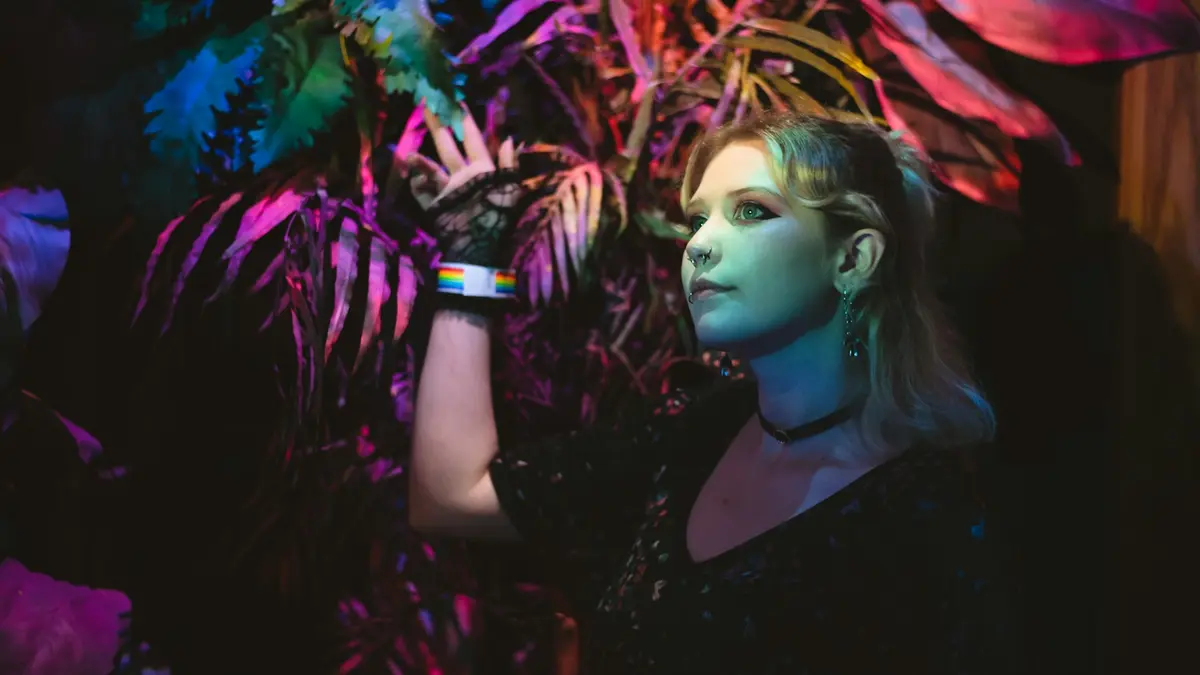
Wristbands include casual fabric bands, friendship bands, leather cuffs and sport-inspired styles. Materials range from precious metals and gemstones to wood, glass, textiles, silicone and recycled materials. Their visual effect depends on proportion: a single narrow bracelet can be subtle, whereas stacked bangles create movement, colour and sound.
Cufflinks and Shirt Studs
Cufflinks and shirt studs are fastening accessories used with formal shirts. Cufflinks pass through matching openings in a dress-shirt cuff, particularly a French cuff, and hold the cuff together. Shirt studs can replace buttons on the front of formal shirts.
These accessories are commonly associated with eveningwear, tailoring and ceremonial dress, but they can also be used as small points of colour or personality. Designs vary from plain metal forms to enamel, stone, monogrammed or novelty motifs. Their scale should generally remain compatible with the formality and fabric of the shirt.
Brooches and Pins
Pins are fasteners that secure folds, layers or attached elements of fabric. A brooch combines a pin mechanism with a decorative ornament, making it both a functional and visual accessory. Brooches can be placed on lapels, collars, scarves, knitwear, hats or bags.
They may feature metalwork, enamel, beads, textiles, glass or found materials. In styling, a brooch can draw attention to a neckline, add contrast to a plain jacket or secure a scarf without requiring a knot. Care is needed with delicate fabrics because pins can leave holes or pull threads.
Eyeglasses as Functional Style Accessories
Eyeglasses, also called spectacles, consist of a frame holding two lenses and are primarily used for vision correction. Frames may be made from acetate, metal, nylon-based materials or combinations of these. Lens treatments can address glare, light sensitivity or other wearing needs.
Beyond vision, eyeglasses influence facial appearance because they sit prominently around the eyes. Frame colour, bridge shape, rim thickness and lens size can reinforce a classic, technical, minimalist or expressive style. Non-prescription frames and sunglasses similarly function as visible fashion accessories, although eyewear should always meet the wearer’s practical needs.
Hats and Headwear
Hats and other headwear serve many purposes, including weather protection, safety, religious observance, ceremony and fashion. Examples include caps, berets, beanies, wide-brimmed hats, turbans, fascinators, visors and protective helmets.
Headwear can significantly alter an outfit’s silhouette because it changes the upper outline of the body. Material choice is important: straw is often associated with warm-weather hats, while wool felt, knit fabrics and padded constructions are common in cooler conditions. A well-chosen hat should balance the wearer’s comfort, hairstyle, setting and the scale of the outfit.
Necklaces and Pendants
Necklaces are worn around the neck and may be short, medium or long in length. They include chains, pendants, lockets, bead strands, pearl necklaces, chokers and collar-style pieces. A pendant is an ornament suspended from a chain, cord or other necklace structure.
Designs range from minimal metal chains to elaborate statement jewellery. Metals, glass, plastic, wood, beads, ceramics, textiles and gemstones can all be used. Necklace length should be considered alongside the neckline of a garment: a short chain may frame an open collar, while a longer pendant can add vertical emphasis over a plain top or dress.
Perfume and Fragrance
Fragrance is often treated as a finishing element in personal presentation because it contributes to the sensory impression of an outfit. Perfume, eau de toilette, cologne and body spray are related fragrance categories that may differ in concentration, intensity and intended use.
A fragrance should be selected with attention to personal preference, occasion and sensitivity of people nearby. Applying a moderate amount is usually more appropriate than heavy use, particularly in shared workplaces, classrooms or enclosed spaces. Fragrance can complement a style identity, but it should not overwhelm clothing, grooming or the environment.
Purses and Wallets
A purse is a small hand-carried pouch or bag for personal items. Depending on regional usage, the term may refer to a handbag or to a smaller item used for coins and essentials. Wallets are flatter carrying accessories with compartments for cash, cards, identification and receipts.
Leather, coated textiles, canvas, synthetic materials and woven fabrics are common wallet and purse materials. In addition to capacity, users may consider closure type, pocket layout, durability and ease of access. Their colour and finish can coordinate with belts, footwear, outerwear or other leather goods, but exact matching is not required.
Rings
Rings are circular ornaments worn on the fingers and sometimes on other body locations. They may be simple bands, signet rings, gemstone settings, stackable rings or large fashion pieces. A ring can be chosen solely for decoration, or it may carry symbolic, ceremonial, religious or relationship-related meaning.
Wedding and engagement ring customs vary between cultures, families and individuals. The finger and hand used for these rings should therefore not be assumed to have one universal meaning. In fashion styling, ring scale and placement can be adjusted to create either a restrained detail or a more expressive layered effect.
Watches
Watches combine timekeeping with decorative and status-related functions. They may use mechanical, automatic, quartz or digital movements, and designs range from inexpensive everyday models to high-value luxury timepieces. Smartwatches add digital functions, though their appearance and straps also make them part of an outfit.
A watch can complement formal tailoring, workwear, casual clothing or sportswear. Case size, dial design, strap material and metal tone affect its visual character. Leather straps often appear more traditional, while metal bracelets, rubber straps and fabric bands offer different levels of formality and practicality.
Fashion Accessory Trends
Accessory trends shift with runway collections, street style, cultural references, retail assortments and consumer behaviour. Rather than permanent rules, trend examples can be useful as styling inspiration. The most effective choice remains one that suits the wearer, the occasion and the wider outfit.
Chunky Platform Boots
Chunky platform boots use thick soles and elevated platforms to create a bold footwear silhouette. Designs may run from ankle boots to knee-high and over-the-knee versions. Platform footwear has historical links to several fashion periods, including prominent 1960s and 1970s styles, and contemporary versions often reinterpret those references.
These boots can add visual weight to lighter garments and sharpen the contrast in an outfit. They are commonly paired with trench coats, midi skirts, knitwear or mini dresses. Balance is useful: a substantial boot can work especially well when the rest of the look has a clear, intentional silhouette.
Netted Berets
A netted beret combines the soft, rounded form of a beret with a net or veil detail associated with fascinator and occasion headwear. It can give tailored, minimal or retro-inspired outfits a more deliberate finish.
This type of headwear is often most visible when paired with simplified clothing and restrained jewellery. It may be positioned low on the forehead, with the net sitting close to the face and the beret placed behind the ears. Comfort, secure placement and the wearer’s hairstyle should guide the final styling choice.
Pearl Jewellery
Pearl jewellery remains adaptable because it can appear traditional, minimal or experimental depending on its setting and scale. Pearls can be used in necklaces, earrings, bracelets, anklets, hair accessories and clothing embellishments.
Irregular baroque pearls provide an alternative to uniform round strands and can create a more contemporary texture. Pearl pieces may be worn alone for a quiet accent or mixed with metal chains and coloured stones for contrast. As with other jewellery, care requirements depend on the material and construction.
Layered Double-Chain Necklaces
Layered double-chain necklaces use two or more chains at different lengths to create depth around the neckline. They may combine different link types, pendants, metals or textures, while a coordinated set can offer an easier way to achieve the same effect.
The style can work particularly well with open collars, V-necks and lower necklines, where each chain remains visible. To avoid visual clutter, select chains with enough length difference and keep other nearby details, such as large earrings or ornate necklines, proportionate.
Why Fashion Accessories Matter
Accessories help turn separate garments into a complete outfit. They can repeat a colour from a print, introduce a contrasting texture, define a waistline or create a focal point near the face. Even a simple combination of clothing can appear more considered when the accessories support its overall proportion and purpose.
They also increase wardrobe versatility. Changing shoes, jewellery, a belt or bag can make one dress, suit or pair of trousers appropriate for different settings. This ability to restyle existing garments can encourage more considered use of a wardrobe rather than relying only on new clothing purchases.
Accessories are a practical means of personal expression. A structured watch, colourful scarf, heirloom ring or distinctive eyewear frame can communicate preferences without changing the core clothing silhouette. For product teams, accessories also provide accessible entry points into a collection’s design language through colour, hardware, trims and materials.
Conclusion
Fashion accessories have developed beyond basic need-based objects into important tools for styling, self-presentation and identity. Bags, jewellery, watches, headwear and eyewear can support practical routines while helping people adapt clothing to different occasions.
The accessory market continues to evolve with changing consumer preferences, material innovations and retail channels. Online shopping has made a broader range of products easier to view and compare, while physical retail remains valuable for assessing fit, finish, colour and comfort. Whether chosen for utility, sentiment or visual impact, accessories remain a central part of fashion communication.
Frequently Asked Questions About Fashion Accessories
Which Fashion Accessories Are Most Important for Women?
Common accessory categories include handbags, jewellery, shoes, scarves, hats and belts. The most important choices depend on the wearer’s routine, personal style, clothing needs and preferred level of practicality. A durable everyday bag may be essential for one person, while jewellery or eyewear may be the key finishing detail for another.
Why Are Accessories Important in Fashion?
Accessories add detail, personality and polish to clothing ensembles. They can coordinate colours, balance proportions, introduce texture and make a simple outfit feel more intentional. Functional items such as bags, belts and eyewear also combine style with everyday usefulness.
How Can Accessories Express Personality?
Accessory choices can communicate taste, confidence, interests and preferred style direction. Minimal metal jewellery may suggest a different aesthetic from colourful handmade beads or large sculptural earrings. Personal items, including inherited jewellery or culturally meaningful accessories, can add further individual significance.
What Is the Difference Between Clothing and Accessories?
Clothing generally refers to garments that cover or are worn on the body, such as shirts, trousers, dresses and coats. Accessories are supplementary items that complete or modify the appearance of clothing, including jewellery, bags, hats, belts, scarves, footwear and watches.
How Do You Choose Accessories for an Outfit?
Start with the occasion, garment silhouette, colour scheme and practical requirements. Select one or two accessories that support the outfit’s focal point, then consider comfort and proportion. A restrained selection is often effective: if one item is large, bright or highly detailed, simpler supporting accessories can create better visual balance.