How to Improve Workflow Efficiency in Garment Manufacturing
Table of Contents
Efficient garment production depends on more than sewing speed. A factory may have capable operators and modern machinery, yet still lose time through waiting, material searching, repeated handling, unclear handoffs, and late order preparation. Improving garment manufacturing workflow efficiency requires a view of the complete process: how materials, people, information, and work-in-process move from receiving to finished-goods dispatch.
A practical improvement program should focus on visible production flow, disciplined movement, timely operational information, and readiness before a style enters the line. These measures help factories reduce avoidable interruptions while maintaining quality, safety, and delivery control.
Map the Garment Production Flow
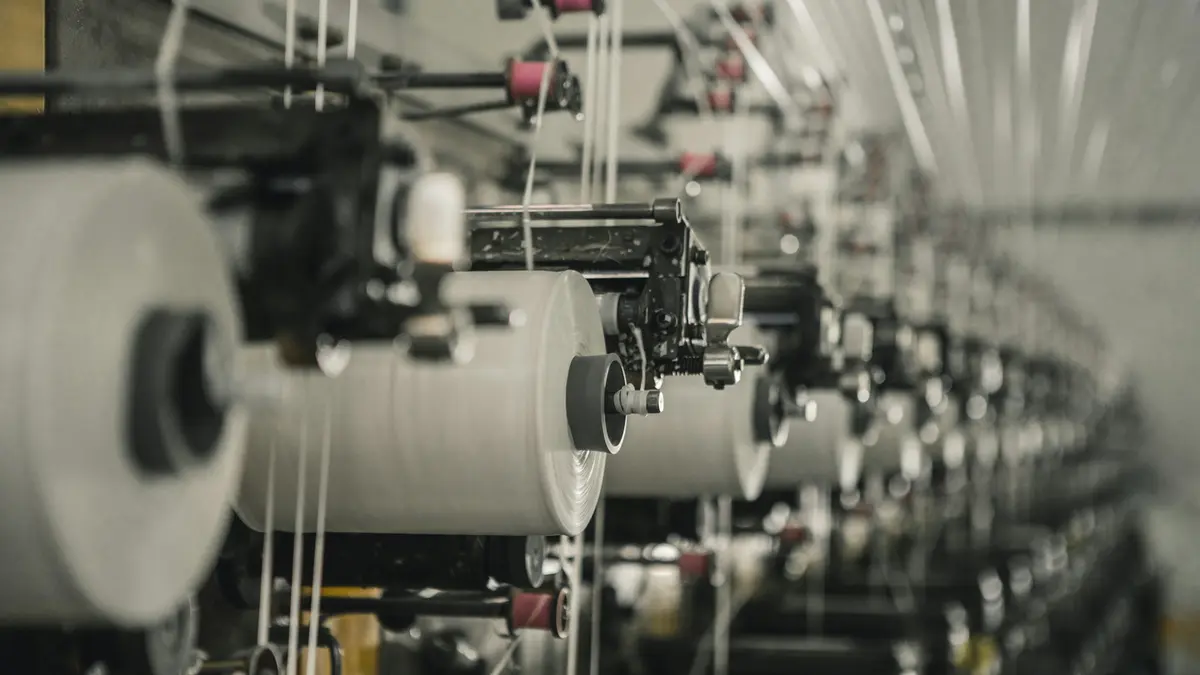
The first step in improving workflow efficiency is to map how an order moves through the factory. The map should begin when fabric, trims, and other inputs are received and continue through fabric inspection, storage, spreading, cutting, bundling, sewing, finishing, inspection, packing, and transfer to the finished-goods area. It should represent the actual route followed on the shop floor rather than only the intended route shown in procedures.
Source: Unsplash
For each process stage, document the work performed, the responsible department, the physical location, and the information required to release work to the next stage. Record handoffs between teams, material touchpoints, temporary storage locations, queues, rework loops, and waiting periods. This makes it easier to distinguish productive work from time spent waiting for components, approvals, machines, quality decisions, or internal transport.
Value stream mapping is commonly used to visualize process steps and their durations. In garment manufacturing, it can show where fabric or cut panels remain idle, where bundles accumulate, and where information delays prevent work from starting. The purpose is not simply to create a diagram; it is to identify constraints and determine why they occur.
A useful production-flow review can examine questions such as:
- How long do fabric rolls wait before inspection or release to cutting?
- Are cut components transferred directly to the appropriate sewing line, or stored in an intermediate area?
- Does the sewing department receive all required components, trims, labels, and instructions together?
- Where do garments wait for finishing, inspection, repair, or packing?
- Are quality findings returned quickly enough to prevent the same defect from continuing through the line?
- Do production planners receive timely information when a department falls behind schedule?
Particular attention is needed at the interfaces between cutting, sewing, finishing, inspection, and packing. These departments often operate with different capacities, batch sizes, equipment needs, and staffing patterns. If cutting releases bundles faster than sewing can absorb them, work-in-process can grow and occupy valuable floor space. If finishing capacity is lower than sewing output, completed garments may wait before final quality checks and packing. Mapping these gaps helps managers balance release quantities, staffing, equipment availability, and daily targets.
The review should also challenge each transfer and process step. Some movements may be necessary because of machinery or quality-control requirements, while others may result from an outdated layout or an unclear responsibility. Where possible, factories can reduce unnecessary transfers, combine compatible tasks, shorten approval loops, or sequence operations so that work progresses with fewer stops. The goal is a controlled flow in which each department receives the right work at the right time and in a usable condition.
Improve Material Handling and Movement
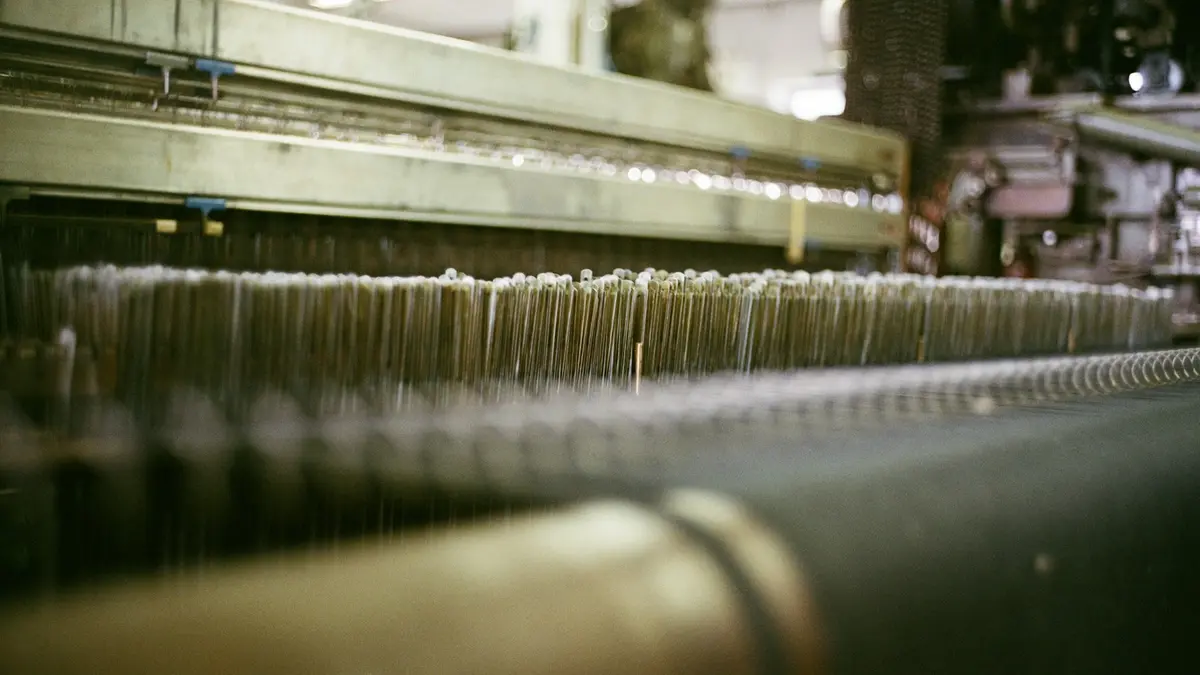
Material handling strongly affects garment manufacturing workflow efficiency because fabric, cut panels, trims, bundles, hangers, cartons, and finished garments move many times during production. Each additional movement uses time, consumes space, and creates an opportunity for mixing, loss, contamination, or damage. A well-planned handling system minimizes both travel distance and handling frequency without compromising traceability or quality.
Source: Unsplash
The physical layout should follow the most logical production sequence. Fabric storage and inspection should support efficient release to spreading and cutting. Cutting output should move promptly to the sewing area, while sewing lines should have a clear route to finishing, inspection, packing, and finished-goods storage. Exact proximity depends on building design, order volume, product type, and fire or safety requirements, but the basic principle is to avoid unnecessary backtracking and crossing traffic.
Factories should identify the major material flows separately because they may require different handling methods:
- Fabric rolls: These may require stable carts, roll-handling equipment, or designated transfer paths to avoid damage and reduce manual lifting.
- Cut components: Bundles, ticketed parts, and size sets need clear identification and controlled staging so that components are not mixed between styles, colors, or orders.
- Trims and accessories: Labels, zippers, buttons, elastic, thread, and packaging materials should be issued in a way that supports the sewing line without excessive operator travel or unplanned shortages.
- Work-in-process garments: Semi-finished goods should move in suitable quantities that prevent both starvation at downstream operations and excessive bundle accumulation.
- Finished garments: Hanger systems, trolleys, racks, or cartons should protect appearance and maintain order integrity during transfer to final inspection and packing.
Rolling carts can be appropriate for moving bundles, fabric, trims, and cartons across a factory floor. Overhead conveyors may help where hanging garments or continuous transfer between operations is suitable. Gravity-fed bins can support controlled replenishment of smaller components in selected areas. The appropriate method depends on the garment type, bundle size, building structure, production volume, available space, and safety considerations. Equipment should support the work rather than force operators to make awkward movements or wait for transport.
Material-handling routes should remain clear, marked where appropriate, and separated from unnecessary pedestrian traffic. Cluttered aisles increase the time required to locate work and can create safety concerns. Defined locations for incoming materials, work-in-process, rejected goods, rework, and completed output reduce confusion and make visual control easier. When operators and supervisors can quickly see what is available, what is waiting, and what requires attention, daily decisions become faster and more reliable.
Factories should also review handling damage as part of efficiency management. Repeated folding, stacking, dragging, overloading, or unsuitable storage can affect fabric appearance, shape, cleanliness, and trim condition. Preventing handling-related damage avoids rework and protects the production schedule. Efficient movement is therefore not only a logistics issue; it supports product quality, workplace safety, and operator productivity.
Control Personnel Movement and Facility Access
Personnel movement needs sufficient flexibility for work to continue, but unrestricted movement through active production areas can interrupt operations. Unplanned visitors, unnecessary cross-department traffic, and unclear access boundaries may distract operators, obstruct material routes, contribute to misplaced items, or expose people to machinery hazards. A controlled access approach helps protect production continuity while allowing authorized employees to perform their roles.
Role-based access control is a practical way to align entry permission with job responsibility. Employees may need access to their assigned production area, while supervisors, maintenance personnel, quality teams, warehouse staff, and management may require access to additional zones. Access arrangements can be managed through physical keys, identification cards, security staff, sign-in procedures, or other methods appropriate to the factory’s size and risk profile.
Restricted or controlled areas may include:
- Pattern-development, sample, and technical rooms containing style information, patterns, and prototypes.
- Fabric, trim, and packaging stores holding inventory that requires issue control.
- Machinery areas where specialized equipment, maintenance activity, or active cutting operations create safety risks.
- Quality-hold or rework areas where garments require controlled identification and disposition.
- Finished-goods warehouses containing packed orders prepared for dispatch.
Access control should not create unnecessary delays for authorized work. For example, if sewing lines frequently wait for trims, the solution is not simply to restrict store access more tightly. Instead, the factory should establish an efficient issue and replenishment process with clear responsibility. Similarly, maintenance teams need prompt access to machines, but their movement should be coordinated so that repairs can be performed safely and with minimal disruption to production.
Clear movement rules also support security and traceability. Valuable materials, finished goods, confidential product samples, and specialized tools are easier to protect when storage and work zones have defined boundaries. In addition, controlled entry around operating machinery helps reduce exposure to hazards for people who do not need to be in that area. The objective is a factory environment where movement supports work instead of competing with it.
Connect Systems for Production Visibility
Production decisions are more effective when managers can see the current condition of orders, inventory, capacity, output, and delivery commitments. In many factories, these data points are held by separate departments or recorded in disconnected spreadsheets and reports. Integrating management systems can improve visibility by linking planning information with shop-floor activity.
Enterprise resource planning, or ERP, systems commonly support functions such as order management, material and inventory control, purchasing coordination, resource planning, and delivery scheduling. For garment manufacturers, ERP information may help teams understand which styles are scheduled, what materials are available, which purchase or issue activities remain open, and how planned output relates to customer delivery requirements.
Manufacturing execution systems, often called MES platforms, focus more directly on shop-floor activity. Depending on system design and data collection methods, an MES can monitor production output, machine uptime, operator performance, operation status, line efficiency, and work-in-process movement. This information helps production teams compare actual progress with targets and identify where output is falling behind plan.
The greatest operational benefit comes when ERP and MES information can be connected. Planning teams can then compare order requirements and delivery schedules with current line performance and material status. For example, if a sewing line is producing below its planned output, managers can assess whether the cause is related to cut-panel supply, machine downtime, operator skill, quality rework, trim availability, or an imbalanced operation sequence. Earlier visibility gives teams more time to respond before a delay affects finishing, packing, or shipment.
System integration should be supported by disciplined data practices. Inaccurate inventory records, delayed production reporting, inconsistent operation codes, or unclear ownership of data can limit the value of software. Factories should define which information is required, who records it, when it is updated, and how exceptions are escalated. The aim is not to collect every possible data point, but to make reliable information available for timely action.
Regular review routines are also important. Daily line meetings, production control discussions, and cross-functional reviews can use system information to address constraints before they become major disruptions. When planning, cutting, sewing, finishing, quality, maintenance, and warehouse teams work from aligned information, the factory is better positioned to manage changes without losing control of the production flow.
Prepare Orders for Production Readiness
Production readiness means confirming that a garment style or order has all necessary requirements in place before cutting begins. Starting production before these requirements are resolved can lead to downtime, repeated instruction changes, shortages, quality variation, and interrupted line flow. A readiness process helps ensure that the order enters production with a stable technical and operational foundation.
A production-readiness check should cover material availability first. Required fabrics, linings, trims, labels, threads, packaging items, and approved substitutes should be confirmed in sufficient quantity and suitable condition. The factory should also verify that required fabric inspection, shade grouping, shrinkage considerations, and other relevant preparatory controls have been addressed before bulk cutting is released.
Technical preparation is equally important. Approved patterns must be available, and markers should be finalized for the relevant fabric width, size ratio, and order requirements. Marker optimization supports efficient fabric utilization by arranging pattern pieces to reduce avoidable waste. While fabric use will depend on style complexity, fabric characteristics, width variation, and marker constraints, careful marker planning can help reduce fabric consumption and improve material control.
Machine and line preparation should reflect the style’s construction needs. This may include confirming machine types, folders, guides, needles, attachments, pressing equipment, and maintenance status. The operation sequence should be reviewed to identify difficult processes, possible bottlenecks, and points where quality verification is needed. If a style requires specialized skills, operator briefings and targeted training should take place before the line is expected to meet full output.
Style-specific quality requirements should be clearly communicated to production and quality teams. These may include seam appearance, measurement control, placement requirements, pressing standards, labeling details, packaging instructions, and defect-sensitive operations. Clear samples, approved construction details, and understandable work instructions reduce the risk that operators receive conflicting information after production has started.
Pilot runs are valuable before full-scale production, particularly for new styles, complex constructions, unfamiliar fabrics, or changed processes. A pilot run can reveal issues with garment assembly, operation sequence, machine settings, handling methods, quality checkpoints, or estimated production time. The findings should be reviewed promptly so that patterns, methods, training, equipment, or line balancing can be adjusted before larger quantities are released.
Production readiness is not a single approval form; it is a cross-functional confirmation that the order can move through the factory without preventable interruptions. Merchandising, planning, technical, cutting, production, quality, maintenance, stores, and packing teams each contribute information. When these functions resolve open points before bulk production, transitions between styles become smoother and the factory can devote more attention to output, quality, and on-time delivery.
Improving workflow efficiency is an ongoing management discipline. Production maps should be updated when layouts, product categories, or operating methods change. Handling routes should be reviewed as volumes shift. Access rules should remain practical, and production systems should provide useful information rather than administrative burden. By combining visible flow, organized movement, controlled access, integrated oversight, and thorough production readiness, garment factories can build a more stable and responsive production environment.