How Should You Choose Fabric for a Handmade Swimsuit With Sensory Needs?
Table of Contents
For most people making a swimsuit with sensory needs, the best starting point is a smooth, lightweight swim knit made from nylon or polyester with elastane, then a small test-swim sample before cutting the full suit. A purpose-made swimwear fabric gives the most reliable combination of four-way movement, recovery, opacity, and drying performance. The important caveat is that the technically strongest fabric is not automatically the fabric a particular person can tolerate against their skin.
Choose the fabric that feels acceptable first, but assess that comfort under realistic conditions: stretched, wet, lined, sewn, and worn for more than a few minutes. If pool swimming is frequent, favor polyester-based swimwear fabric or a fabric marketed with chlorine-resistant elastane. If the priority is an especially soft, smooth hand for occasional ocean or recreational use, nylon/elastane swim knit is often worth sampling. A natural-fiber swimsuit can be a valid personal experiment, but it is usually a comfort-led compromise rather than a performance equivalent to conventional swim fabric.
A sensory-driven reason for making swimwear is very real. In a Reddit discussion about natural fibers and swimwear, one user described needing substantial recovery time after trying on commercial bathing suits because of texture-related sensitivity. That account is personal rather than a universal result, but it highlights why fabric selection and construction deserve as much attention as style.
Start with the sensations that cause the problem
“Sensory-friendly” is not a universal fabric category. A cool, slick tricot may feel calming to one wearer and unpleasantly synthetic or slippery to another. A brushed lining may feel soft at first but become uncomfortable when it holds water. Before shopping, identify what tends to be difficult:
- A rough, dry surface or visible knit texture
- A cool, slick, or shiny finish
- Damp fabric clinging after swimming
- Compression from a firm fabric or tight elastic
- Scratchy labels, exposed elastic, seam ridges, or lining edges
- Seams at the underarm, crotch, waist, leg opening, or shoulder
- A suit that shifts and requires frequent adjustment
This list changes the decision. Someone bothered mainly by seam ridges may do well in a standard swim knit with better construction. Someone who cannot tolerate the hand of nylon or polyester may need to explore alternative fabrics, while recognizing that water performance will likely be reduced.
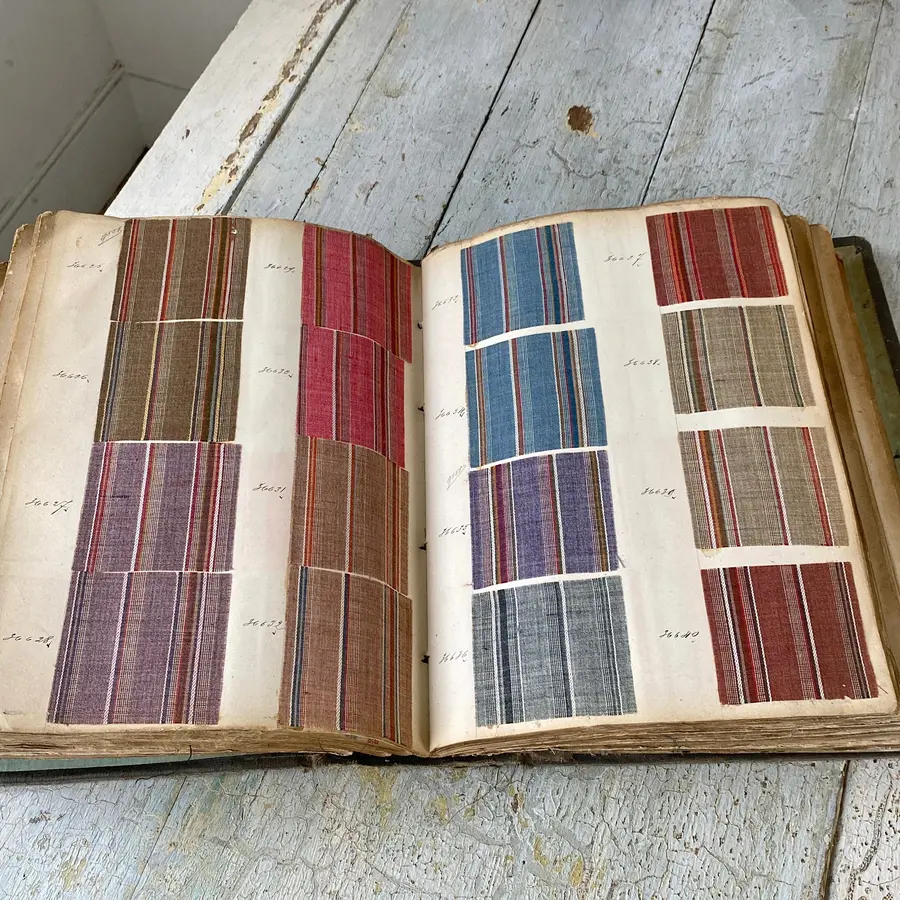
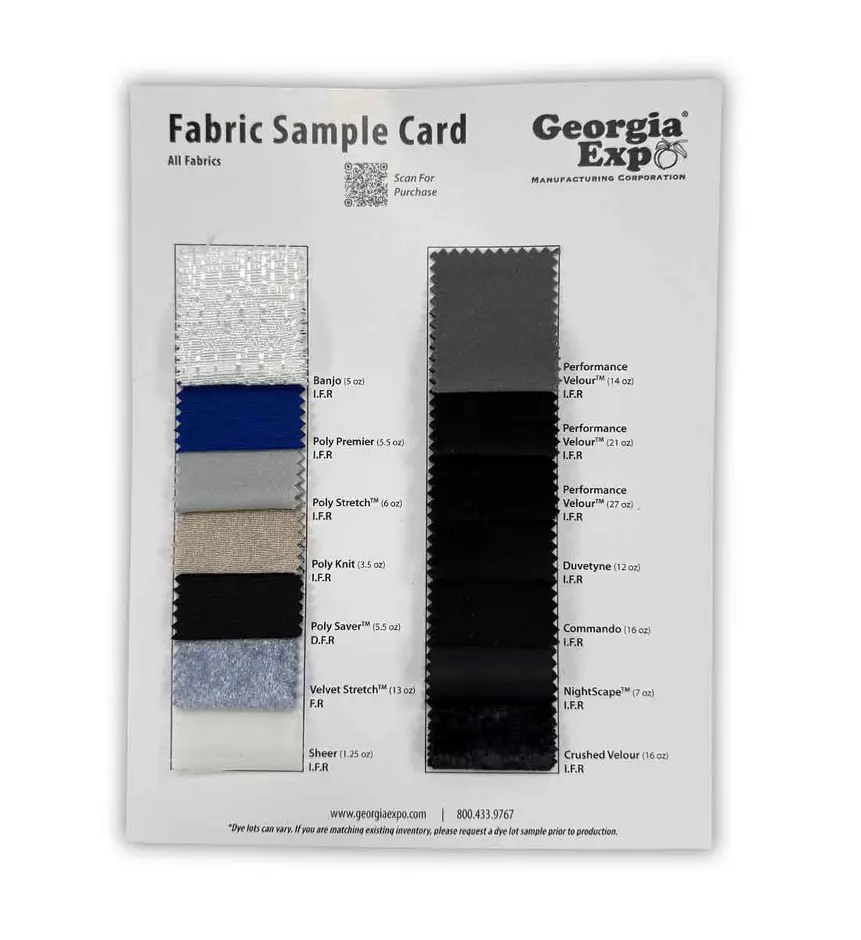
Order swatches whenever possible. Rub them over the areas where the suit will sit, stretch them across the hand, and hold them against the skin long enough to notice delayed irritation or discomfort. Do not judge only by how a fabric feels flat on a store table.
Choose performance swim knits when water use is the priority
Most modern swimwear uses nylon or polyester blended with spandex or elastane. These fibers are widely used because the garment needs to stretch in multiple directions, return close to its original shape, dry relatively quickly, and stay adequately opaque when wet and stretched. Pine Crest Fabrics notes that quality swim fabrics need four-way stretch and strong recovery, along with durability against water, sun, lotions, and oils.
Nylon/elastane: often the soft-hand option
Nylon/elastane swim knits are commonly selected for their smooth surface, lightweight feel, and strong stretch and recovery. For a wearer whose main requirement is a soft, sleek hand, this is often the first fabric worth testing. It can suit close-fitting one-pieces, swimsuits with gathers, and styles needing generous movement.
The tradeoff is pool durability. Ordinary elastane can gradually lose recovery with repeated chlorine exposure. This does not mean nylon swim fabric is unusable in a pool; it means frequent pool swimmers should check whether the fabric is specifically described as chlorine resistant and should expect care and exposure to matter.
Polyester/elastane: often the pool-use option
Polyester/elastane swim fabric is generally the more practical choice for regular chlorinated-pool use. Polyester is commonly valued for durability and resistance to chlorine compared with many alternatives. Some swim fabrics use specialized chlorine-resistant elastane rather than standard elastane; a swimwear-fabric guide identifies products such as Xtra Life LYCRA and Creora HighClo as elastane options designed for better chlorine resistance.
The tradeoff is hand feel. Polyester swim knits vary widely: some are smooth and soft, while others feel firmer, drier, or more textured than a nylon equivalent. Never assume polyester will be less comfortable just because it is more performance-oriented. Compare actual swatches, preferably from the same supplier and fabric weight range.
For a frequent pool swimmer who needs sensory comfort, a soft polyester/elastane swim knit with chlorine-resistant elastane is often the most balanced target. It may take more sampling to find a tolerable hand, but it can reduce the risk that the suit loses shape quickly.
Treat natural fiber swimwear as a deliberate compromise
Cotton, linen, wool, silk, and many cellulose-based jerseys can feel more familiar or less chemically slick than conventional swimwear fabrics. That familiarity can matter. However, natural fiber swimwear creates functional problems that are difficult to solve through patternmaking alone.
Natural fibers tend to absorb more water than standard swim synthetics. The garment can become heavier, remain wet longer, lose fit, and feel markedly different after entering the water. Pine Crest Fabrics explains that cotton, wool, and silk generally absorb water, dry more slowly, and are less suitable for chlorine and UV exposure than purpose-made synthetics. Linen also has limited inherent stretch unless it is blended or knit in a structure that provides mechanical stretch.
Wool has historical relevance in swimwear and may be a more practical natural-fiber experiment than cotton because it can provide a knitted structure and some resilience. Still, it absorbs water and is not a straightforward substitute for a modern fitted swimsuit. Cotton jersey, linen jersey, and linen/wool blends may work better for a loose cover-up, an outer layer, or a brief low-intensity water trial than for a supportive suit intended for repeated swimming.
If a natural fabric is the only hand feel a wearer can tolerate, make the goal modest and test carefully. Consider a simple design, expect slower drying, and avoid relying on it for repeated chlorinated-pool use. Chlorine, salt, sunlight, sunscreen, and mechanical abrasion are all stresses; chlorine is especially relevant because it can contribute to elastane damage and fading over time, as described by Sportek.
Fabric stretch is not enough: check recovery and wet opacity
A fabric can stretch easily and still be unsuitable for swimwear. Recovery is the ability to return after extension. Poor recovery leads to bagging at the seat, knees, neckline, or straps, which can create both fit problems and sensory distraction.
Test a swatch in both directions. Stretch it gently several times, release it, and see whether the knit looks distorted or stays elongated. Then wet a sample, stretch it over a hand or similarly colored surface, and check whether it becomes too sheer. A lining can improve opacity, but lining also creates another layer, more seams, more drying time, and another possible texture issue.
A firmer fabric may provide support and opacity but can feel restrictive. A lighter fabric may feel less intrusive but may need lining or more careful pattern support. The right choice is the fabric that remains comfortable while providing enough recovery for the intended design—not necessarily the firmest or most compressive option.
Build seam comfort into the pattern choice
For sensory-friendly swimwear, seam placement can matter as much as fabric composition. A very soft fabric can become intolerable if a bulky seam lands in a high-friction area.
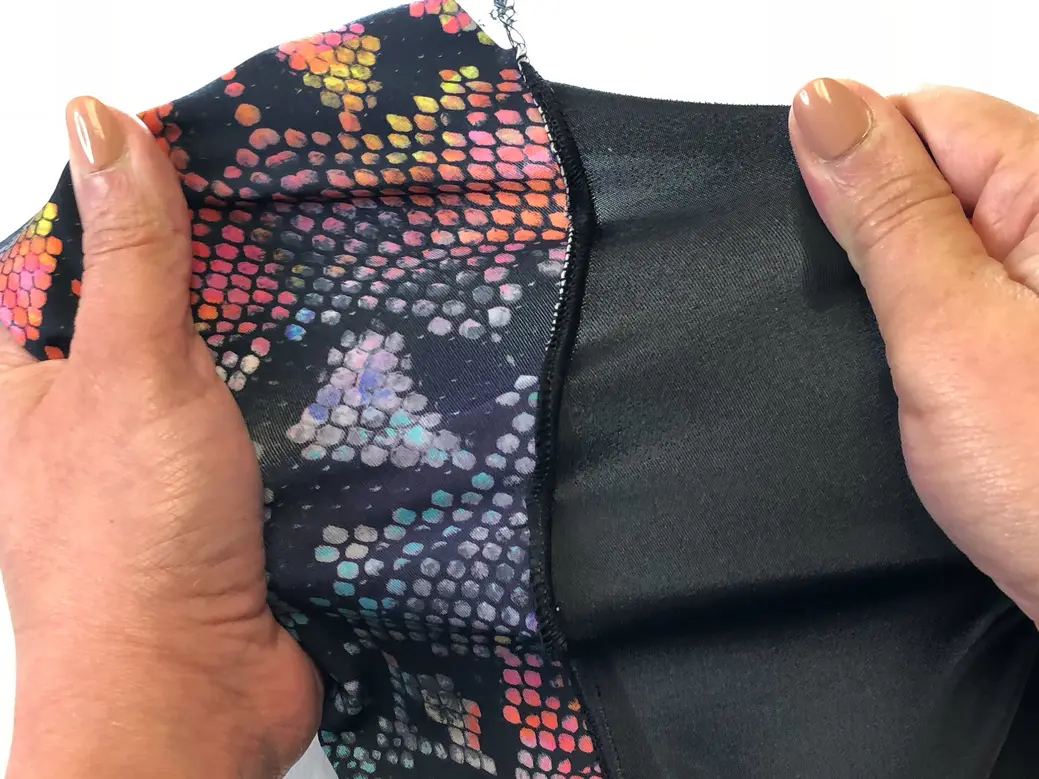
Choose a pattern with fewer unnecessary style seams and avoid decorative panels unless they serve fit or support. Consider where the wearer is likely to notice pressure: underarms, side seams, shoulder seams, leg openings, waist edges, and the crotch. A higher-quality fit can also improve comfort because fabric that stays in place creates less rubbing and less need for adjustment.
Source: weallsew
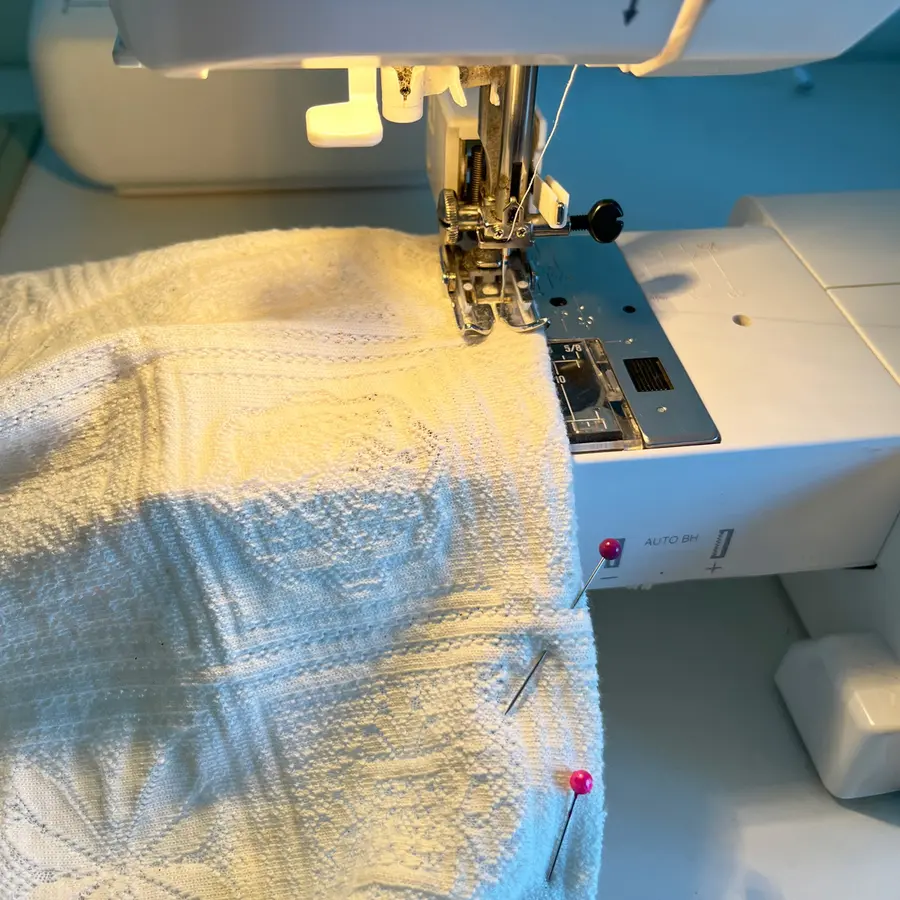
Where your equipment and fabric allow it, use low-profile seam finishes. A flatlock seam can reduce bulk, while a narrow zigzag or stretch stitch with trimmed allowances may be more comfortable than a thick serged seam in some locations. Test the actual seam, not just the stitch type. Thread, elastic, seam allowance width, and the inside texture of the fabric all change the result.
Avoid placing rough elastic directly against sensitive skin when possible. Soft swim elastic, fabric-encased elastic, or bands cut from the main fabric may be more tolerable, although each approach affects support and durability. A band that rolls, digs in, or stays wet can be more distracting than a conventional elastic finish, so a trial is essential.
Make a test-swim sample before committing
The most useful step is to make a wearable sample rather than relying on fiber descriptions. Sew a small section that includes the likely problem areas: outer fabric, lining if planned, elastic, and one or two seam finishes. If the suit will have straps, make a short strap sample. If leg elastic is a concern, make a small loop or use a test garment such as fitted swim briefs or a simple crop-style top.
Wear the sample dry first. Then wet it in fresh water and note changes in temperature, cling, weight, texture, and edge pressure. If the intended use includes a pool, reserve a small piece for a limited exposure test rather than putting an untested full garment through repeated chlorine exposure. Rinse any swim fabric promptly in cool fresh water after swimming, a care practice also recommended by KnitFabric.com.
The purpose is not to prove that a fabric is objectively good or bad. It is to find out whether this specific combination of fabric, seam, elastic, fit, and water exposure is tolerable for the intended wearer.
A practical selection path
Begin with two or three swatches: one soft nylon/elastane swim knit, one polyester/elastane option marketed for chlorine resistance, and one alternative only if its hand feel seems meaningfully more tolerable. Eliminate fabrics that fail the dry-touch test. From the remaining choices, compare wet feel, stretch recovery, opacity, and seam samples.
For occasional beach, lake, or recreational swimming, a soft nylon/elastane fabric may offer the best comfort-performance balance. For regular chlorinated-pool sessions, prioritize soft polyester-based swim fabric with chlorine-resistant stretch content when available. For a natural-fiber preference, proceed as an experiment with clear expectations about absorption, drying, changing fit, and shorter service life.
The best handmade swimsuit fabric is not simply the softest fabric or the most durable one. It is the material and construction combination that lets the wearer move, get wet, and recover comfortably enough to actually enjoy swimming.
References
- Swimsuit Fabric: Sew Your Own Swimsuit with KnitFabric.com. knitfabric.com. https://knitfabric.com/swimsuit-fabric
- Top 10 Tips for Sewing with Swimwear Fabrics. youtube.com. https://www.youtube.com/watch?v=RovNziML5jw
- Swimwear Fabric Guide: Chlorine Resistance, UV & Stretch – Spandexbyyard. spandexbyyard.com. https://spandexbyyard.com/blogs/spandex-vs-other-stretch-fabrics-type-explained/best-fabric-for-swimwear
- Chlorine Resistant Lining: Durable Swimwear Fabric Guide – Sportek International Inc.. sportek.com. https://sportek.com/blogs/news/chlorine-resistant-lining-durable-swimwear-fabric-guidechlorine-resistant-lining
- Types of Swimming Fabric: A Guide for Swimwear Brands. mfgmerch.com. https://mfgmerch.com/types-of-swimming-fabric
- Instagram. instagram.com. https://www.instagram.com/reel/DX-rjRVS1l1?hl=en
- Swimwear fabrics guide | SwimZip. swimzip.com. https://swimzip.com/pages/guide-to-swimwear-fabrics
- How to Choose Quality Swimwear Fabric: A Guide for Fashion Designers | Pine Crest Fabrics Blog. pinecrestfabrics.com. https://pinecrestfabrics.com/blog/how-to-choose-quality-swimwear-fabric-a-guide-for-fashion-designers