How to Choose the Right Bath Towel: GSM, Absorbency and Care

Table of Contents
Key Factors for Selecting a Bath Towel
Choosing a bath towel is not simply a matter of selecting the softest colour or the highest GSM on a product label. A useful choice balances fabric weight, fibre content, absorbency, drying behaviour, dimensions, care requirements, appearance and price. The best combination depends on where and how the towel will be used.
An everyday household towel may prioritise comfortable handle and reliable absorbency. A guest towel may place more emphasis on appearance and coordinated colour. For gym, travel or frequent-laundering use, low bulk and fast drying can matter more than a thick, luxurious feel. Comparing the specifications before purchase helps avoid assuming that the heaviest towel is automatically best, or that the cheapest pack offers the strongest value.
When reviewing a towel, consider these factors together:
- GSM and dimensions: These indicate fabric mass per unit area and the finished towel’s coverage.
- Fibre content: Cotton, blends and other fibre combinations can differ in handle, care and drying behaviour.
- Construction: Terry-loop density, yarn type and finish influence surface texture and practical performance.
- Laundry conditions: A towel should suit the available washing capacity, drying space and local humidity.
- Price per usable item: Compare equivalent sizes, specifications and pack quantities before judging value.
Understanding Towel GSM
GSM means grams per square metre. It is a measure of the mass of textile fabric within one square metre, rather than a direct measure of absorbency, durability or luxury. In towels, GSM is useful because it gives a basic indication of how light or substantial the fabric may feel.
Source: Unsplash
A higher-GSM towel will commonly contain more fabric per unit area and may feel fuller, denser and heavier in the hand. A lower-GSM towel is usually lighter and less bulky. These tendencies make GSM a practical starting point when comparing products, particularly if the towels have similar dimensions and construction.
However, GSM is not a universal quality grade. Two towels with the same GSM can perform differently because they use different fibres, yarn structures, loop lengths, finishing processes or manufacturing methods. A high-GSM towel may suit a buyer who wants a substantial towel for home use and has adequate drying space. A lighter towel may be a more sensible option for a gym bag, holiday travel, shared accommodation or a household that washes towels frequently.
Use GSM as one comparison point, then check the rest of the listing. Fibre composition, size, construction and care guidance are needed to understand what that number is likely to mean in daily use.
Why Absorbency Cannot Be Judged by GSM Alone
The primary function of a bath towel is to take up moisture from the body. GSM can contribute to a towel’s feel and available fabric mass, but it cannot by itself predict how effectively a towel will absorb water or how it will perform after repeated laundering.
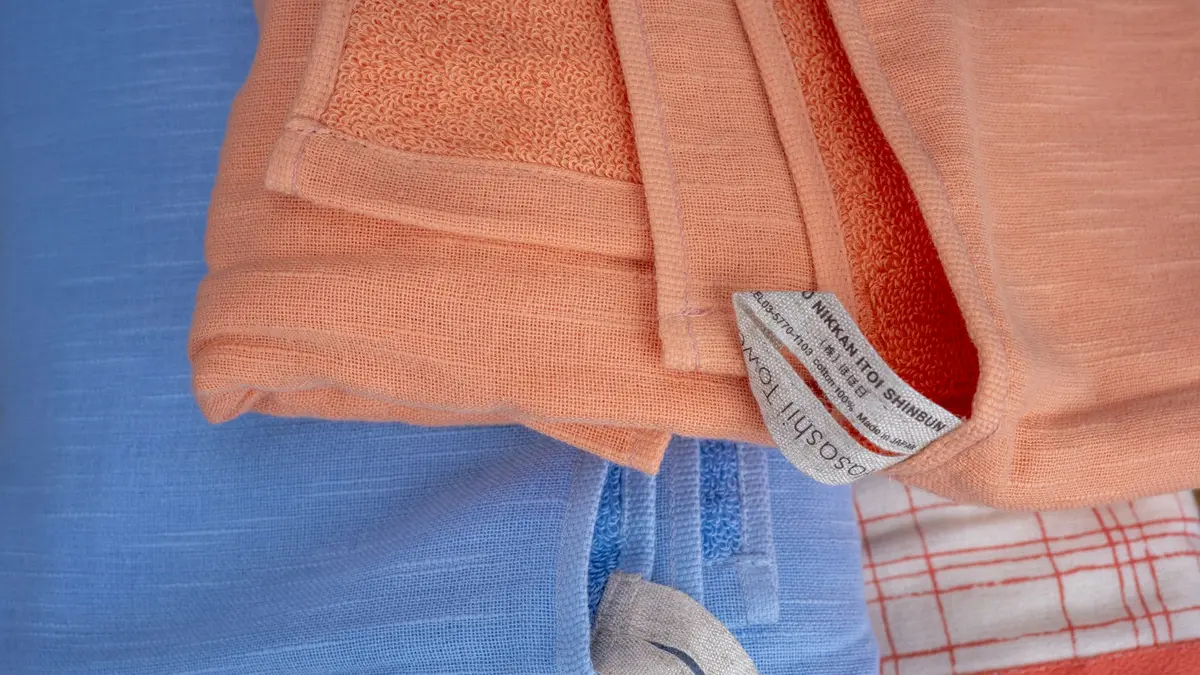
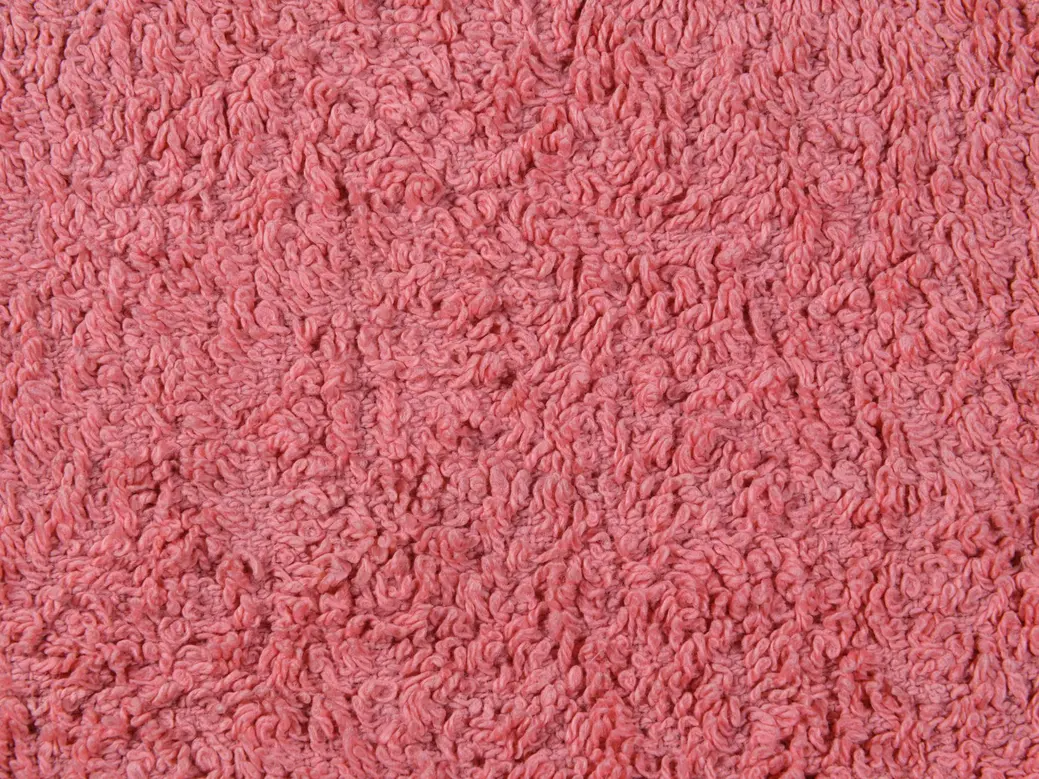
Cotton is widely used in bath towels because it has an absorbent character and a familiar soft hand. Cotton towels are commonly made with terry construction, in which raised loops form the working surface. These loops increase the available surface area that can contact moisture, helping the fabric take up and hold water.
Source: Pexels
Actual absorbency depends on several interacting factors. Fibre properties influence how the material behaves around moisture, while yarn count, twist, pile-loop structure and loop density affect the surface available for contact. A towel’s finishing can also alter its initial feel and behaviour. Manufacturing quality matters because consistent weaving, secure loops and balanced construction help the towel retain its intended form through use and washing.
A thick towel with long loops can feel plush, but a visually plush surface alone does not guarantee better real-world performance. Similarly, a lighter towel with well-made terry loops may be highly practical where rapid drying and easy laundering are priorities. For this reason, buyers should avoid treating a single specification or marketing term as proof of absorbency.
Why a Heavier Towel Is Not Always the Best Option
A heavier towel can provide a dense, substantial feel, but extra fabric also means more material to become wet during use and washing. Once saturated, a heavier construction may retain more water and may need more drying time, airflow or drying capacity than a lighter alternative.
This trade-off matters in ordinary household use. A thick towel may be enjoyable when it can be washed and dried without difficulty, but it can become inconvenient in a small home, a humid climate or a household with limited indoor drying space. It may also occupy more room in a washing machine, tumble dryer, linen cupboard or travel bag.
Lighter towels are often easier to carry, wash and dry. They can be especially suitable for sports, swimming, travel, student accommodation, camping or families that rotate towels frequently. Their lower bulk can simplify storage and reduce the handling burden of laundry, although the exact experience still depends on dimensions, fibre content and construction.
The practical question is not whether a heavy or light towel is better in general. It is whether its weight and drying behaviour fit the buyer’s use pattern. A towel that feels ideal in a shop may be less suitable if it remains damp for too long in its normal environment.
Compare Towel Dimensions and Weight Together
GSM describes mass per unit area, so it does not show the total quantity of material in a finished towel unless the towel’s length and width are also known. This is important when comparing bath sheets, standard bath towels, hand towels and multi-piece sets.
For example, two towels can share the same GSM but have different total weights because one is larger. The larger item contains more total fabric and may therefore feel heavier, hold more water and require more drying space. Conversely, a smaller towel with a higher GSM can still contain less material overall than a larger lower-GSM towel.
When comparing listings, check the stated dimensions as well as GSM. Product weight can be useful where it is disclosed, but it should be interpreted carefully: a total pack weight does not necessarily show the weight of each towel, and packaging may sometimes be included in seller information.
For packs, compare the full offer rather than the headline price. A meaningful comparison should include:
- towel type and dimensions;
- GSM, where provided;
- fibre composition;
- number of pieces in the pack;
- whether items are bath towels, hand towels, face cloths or mixed sizes;
- stated care instructions; and
- final price, including relevant delivery costs.
This approach prevents a large mixed set from being compared directly with a smaller set of full-size bath towels simply because both are described as towel packs.
Assess Fibre Content, Construction and Finishing
Fibre content helps explain how a towel may feel, perform and need to be maintained. Cotton is a common choice for bath towels, but cotton products can differ significantly according to yarn quality, construction and finishing. Cotton blends and other fibre combinations can also be used where manufacturers seek particular properties such as lower cost, altered handle, reduced bulk or different drying behaviour.
No fibre type is automatically superior for every application. A buyer seeking a traditional terry feel for regular home bathing may prefer one type of cotton towel, while someone choosing towels for a gym or travel bag may value a lighter construction or a different fibre combination. The relevant question is whether the disclosed material and structure match the intended use.
Construction affects both appearance and practical behaviour. Terry loops create a textured pile surface, while the base fabric stabilises those loops. Loop height, loop density, yarn twist and edge finishing can influence softness, bulk, visual texture and the way a towel changes after laundering. Borders, woven bands and decorative trims may add visual interest, but they can behave differently from the terry body during washing and drying.
Finishing can make a towel feel especially soft when new, but buyers should also consider the care instructions and expected laundering routine. Rather than relying on broad terms such as “premium,” “hotel quality” or “luxury,” compare measurable information: fibre content, towel dimensions, GSM, pack quantity and care guidance. Clear specifications make it easier to assess whether one product is genuinely comparable with another.
Include Drying and Laundry Care in the Decision
A towel’s usefulness depends not only on how it feels after purchase but also on whether it fits into a realistic wash-and-dry routine. Before buying, review the care label or online instructions for recommended washing, drying and any limitations on bleaching, ironing or fabric treatments.
Drying conditions vary between households. A towel may dry readily in a well-ventilated room or tumble dryer but more slowly in a humid home, a crowded bathroom or a space with limited airflow. Thick, densely constructed towels can be comfortable but may need more drying capacity. If towels are stored before they are fully dry, they can remain unpleasantly damp regardless of their original softness.
Frequent laundering also changes the decision. Families, shared households, sports users and hospitality settings may benefit from towels that are manageable in larger wash loads and practical to dry repeatedly. Lighter constructions can be useful in these cases because they generally involve less bulk and may be easier to handle.
Care should be treated as part of total value. A low initial price is less attractive if a towel is difficult to wash, slow to dry or unsuitable for the equipment and drying space available. Conversely, a more substantial towel can be worthwhile when its care requirements fit the household routine.
Choose Colour and Styling Separately From Performance
Colour, pattern, borders and decorative finishes affect how a towel looks in a bathroom, but they do not independently establish absorbency, durability or overall quality. A white towel may create a clean, hotel-inspired appearance, while darker shades may suit a particular interior or a household preference. Bright colours, stripes and patterned borders can add personality or help different users identify their own towels.
Neutral colours are often chosen for flexible bathroom coordination, while mixed-colour packs can offer variety. The preferred option is largely personal and may also depend on whether towels are intended for everyday family use, guests, rental accommodation or display.
When comparing coloured towels, keep visual choices separate from functional specifications. Check the same details that would be reviewed for a plain towel: fibre content, GSM, dimensions, construction and care guidance. Decorative bands and woven borders should be considered as design features, not evidence of improved towel performance.
A Practical Method for Comparing Bath Towels Online
Start with the intended application. An everyday bath towel, a guest towel, a poolside towel, a gym towel and a travel towel may each need a different balance of bulk, absorbency, drying speed and appearance. Defining the use case first makes it easier to eliminate unsuitable options.
Then compare listings on a like-for-like basis. Look at the product dimensions, GSM, fibre composition and number of towels supplied. Confirm whether the listing refers to a bath towel, bath sheet, hand towel or a mixed set, as product names are not always used consistently across sellers.
Review the care information before deciding. Consider the likely wash frequency, machine capacity, drying method and available storage space. Product photographs can help show colour, border style and apparent texture, but photographs should not replace written specifications because lighting and image editing can change the perceived shade or thickness.
Customer feedback can be useful when recurring comments identify practical issues such as unexpected size, shedding, colour variation or drying difficulty. Read it as supporting information rather than a substitute for product details. Also check seller identity, return conditions and whether returns are practical if the towel does not match the listing.
Finally, compare price only after confirming that the alternatives are equivalent. A lower-priced towel may be smaller, lighter, made from a different fibre blend or supplied in a different quantity. The strongest value is usually the product that meets the required use case with clear specifications and manageable care, rather than the item with the lowest advertised price.
Choosing the Best Towel for Your Needs
There is no single GSM, fibre type or towel construction that is best for every buyer. A suitable bath towel is the one that balances absorbency, size, hand feel, drying behaviour, care needs, style and price for its intended use.
For regular household bathing, a comfortable terry towel with appropriate dimensions and a manageable laundering routine may be the priority. For guests, colour coordination and presentation may have greater importance. For travel, gym use or frequent washing, lower bulk and easier drying can outweigh the appeal of a heavier towel.
The most reliable way to choose a bath towel is to assess the complete specification. Compare GSM with dimensions, examine fibre content and construction, check pack quantity, read care requirements and use photographs mainly to evaluate visible design. By comparing genuinely equivalent products, buyers can select towels that offer practical performance and value rather than relying on weight, appearance or price alone.