
How Should You Store Natural-Fiber Yarn to Prevent Pest Damage?

Table of Contents
The most dependable way to store natural-fiber yarn is to put clean, inspected skeins in well-sealed containers and keep those containers in a cool, dry, dark, clean area. This approach does more than make a stash look tidy: it limits pest access, makes inspection easier, and protects yarn from dust, sunlight, and accidental spills.
If you are wondering how to store natural fiber yarn safely, start with physical barriers and regular inspection rather than relying on fragrance-based products. Cedar and lavender may be useful additions for scent or possible deterrence, but they should not be treated as a substitute for sealed storage or as a solution for an active infestation.
Start by sorting and inspecting the stash
Wool, alpaca, cashmere, silk, and other animal-derived fibers deserve the most careful storage because textile pests can damage them. Separate these yarns from acrylic and other synthetic yarns so you can prioritize the materials most likely to need protection.
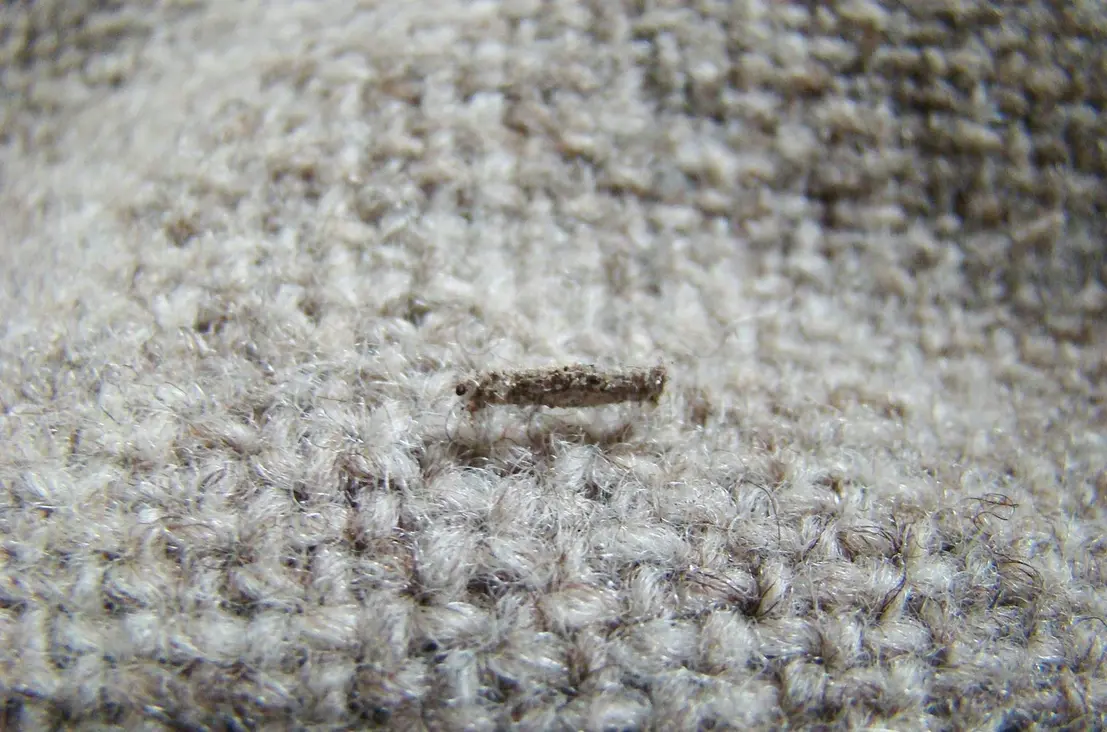
Before putting yarn away, inspect each skein, ball, or hank. Look for small holes, fine webbing between strands, gritty debris, tiny pale larvae, or unexplained thinning. None of these signs alone identifies a specific pest with certainty, but they are reasons to keep that yarn away from the rest of the stash until you can assess it.
Also check yarn that has been:
- Purchased secondhand or received as a gift
- Stored in an open basket, closet, garage, attic, or basement
- Used in a project that has sat out for a long time
- Kept near pet bedding, food, or accumulated household dust
New or secondhand yarn is best kept separate from established stash yarn for a period of observation. This simple quarantine habit reduces the chance that a problem in one purchase spreads through the collection.
A crochet discussion about protecting natural-fiber yarn specifically mentions vacuum-sealed bags, zip bags, airtight containers, and cedar-type scent deterrents as common approaches. That community advice reflects a sensible priority: a barrier that pests cannot readily enter is more dependable than scent alone.
Clean yarn and the storage area before packing
Storage works best when both the yarn and the surrounding area are clean. Dust, hair, lint, and crumbs can make a storage space more attractive to pests and make early warning signs harder to spot.
Do not put yarn away immediately after it has been handled in a busy living area, carried in an unwashed project bag, or exposed to dirt. If a finished object or a yarn project needs cleaning, follow the care guidance for its fiber before long-term storage. Wool and other natural fibers can be harmed by inappropriate washing, heat, or agitation, so avoid treating every yarn the same way.
Vacuum shelves, closet floors, drawer interiors, and the edges of storage furniture regularly. Pay attention to cracks, carpet edges, and seldom-moved containers. A clean storage zone supports the larger goal of early detection; pests are easier to notice when the area is not filled with loose lint and clutter.
Choose sealed containers for long-term wool yarn storage
For long-term wool yarn storage, use containers with secure, closely fitting lids. Clear plastic bins with latching lids are especially practical because you can see the contents without opening them. Heavy-duty zip bags and vacuum storage bags can also create a useful barrier when they are intact and properly closed.
The key feature is not the brand or decorative style of the container. It is whether the container closes consistently and protects yarn from dust and pest access. Loose-lidded baskets, open shelving, fabric cubes, and uncovered drawers may be attractive for yarn currently in use, but they are not the strongest choice for a stash that will sit untouched for months.
Keep a few tradeoffs in mind:
- Latching bins: Good for grouped stash storage, visual inspection, and stacking. They take up more space than compressed bags.
- Zip bags: Useful for dividing yarn by project, fiber, or color. They are inexpensive and make it easier to isolate one suspect group.
- Vacuum bags: Helpful when space is limited and for yarn not needed soon. Avoid assuming that compression improves yarn itself; it is primarily a space-saving and protective storage method.
- Open baskets: Convenient for active projects, but better reserved for yarn you monitor and use frequently.
Do not overfill a container. Crushed labels, strained closures, and tightly packed yarn make it harder to inspect the contents and easier to overlook a developing problem.
Source: farmfiberknits
Keep containers away from heat, moisture, and sun
A sealed container does not eliminate the need for a suitable location. Store yarn away from direct sunlight, which can fade color over time. Avoid damp basements, leaky spaces, and areas with large temperature swings when possible. Moisture can contribute to musty odors and create a poor storage environment even when pests are not involved.
Choose an interior closet, cabinet, or room with relatively stable conditions rather than an attic, shed, garage, or unfinished basement. If you use moisture-control products, keep them contained and avoid letting them spill or touch yarn directly. Their role is moisture management, not pest control.
Use cedar as a supplement, not your main moth prevention plan
Cedar is often suggested for moth prevention, and cedar blocks, rings, chips, or sachets can be a pleasant addition to yarn storage. However, cedar yarn storage is not a guarantee against moths or other textile pests. A scented product may lose noticeable fragrance over time, and no scent-based method should be trusted to protect an exposed stash or stop an active problem.
If you enjoy cedar, use it alongside sealed containers and routine inspection. Keep cedar pieces from snagging delicate yarn, staining it, or leaving loose debris in the container. Refreshing or replacing scented items may restore their aroma, but the container seal and cleanliness remain the more important safeguards.
The same limitation applies to lavender and similar sachets. They can be part of a storage routine, but they do not replace isolating suspicious yarn, cleaning the storage area, or using a physical barrier.
Label containers so you can inspect and rotate yarn
Labeling is a practical form of pest prevention because forgotten yarn receives less inspection. Mark each container with enough information to find what you need without repeatedly opening every bin. Useful label details include fiber type, weight, color family, project name, and the date it was packed.
A simple inventory—on paper, in a spreadsheet, or in a yarn-tracking app—can help you rotate the stash. Use older yarn and long-stored natural fibers first when practical. When you open a bin, take a moment to inspect its contents before returning it to storage.
For a large stash, schedule a brief check every few months. You do not need to unpack every skein each time. Look through clear sides, check closures, inspect a few representative skeins, and note any musty smell, loose debris, webbing, or visible damage. Regular checks are more useful than discovering a problem after years of untouched storage.
If you suspect yarn pest damage, isolate first
Do not place suspect yarn back with clean yarn. Seal it separately, inspect nearby materials, and clean the shelf, drawer, or container where it was stored. Check other animal-fiber yarn, finished wool textiles, and nearby natural-fiber items rather than assuming the issue is limited to one skein.
Some yarn-storage advice recommends sealed cold treatment for suspect fibers, but treatment needs can vary by fiber, storage conditions, and the extent of the problem. If damage appears widespread or you cannot identify the source, consider seeking guidance from a local pest-management professional or textile-care specialist rather than relying on a scented deterrent.
The storage routine is straightforward: inspect first, isolate anything questionable, store clean natural fibers in secure containers, maintain a clean and dry storage area, label what you own, and revisit the stash regularly. That combination provides a stronger defense against yarn pest damage than cedar, lavender, or any other scent product used on its own.
References
- Safely Protecting Your Yarns and Fibers While Stored. yarnsaver.com. https://www.yarnsaver.com/tips-tutorials/storage-tips-safely-protecting-your-yarns-fibers-while-store
- How to Store and Care for Yarn So It Never Tangles, Felts, or Gets Rui – Hooks & Needles. hooksneedles.com. https://hooksneedles.com/blogs/news/guide-yarn-care-storage
- Tips for storing your wool and dealing with moths. vandafsousa.com. https://www.vandafsousa.com/blog/how-to-store-your-wool-deal-with-moths
- Quick Tips for Stopping What Bugs Your Stash. handwovenmagazine.com. https://handwovenmagazine.com/quick-tips-for-what-bugs-your-stash
- How to Organize & Store Your Yarn Stash: Complete Guide. yarn.com. https://www.yarn.com/blogs/the-yarn-diary/how-to-store-yarn-the-complete-guide-to-keeping-your-stash-in-perfect-shape
- How to store/moth proof yarn - General Knitting. forum.knittinghelp.com. https://forum.knittinghelp.com/t/how-to-store-moth-proof-yarn/50618
- How to store yarn. hobbyshopy.com. https://www.hobbyshopy.com/blogs/wool-and-tools/how-to-store-yarn
- How to Store Yarn at Home | 10 Easy Methods (2026). craftenify.com. https://craftenify.com/how-to-store-yarn-at-home