How Should You Wash Rayon Fabric to Reduce the Risk of Damage?
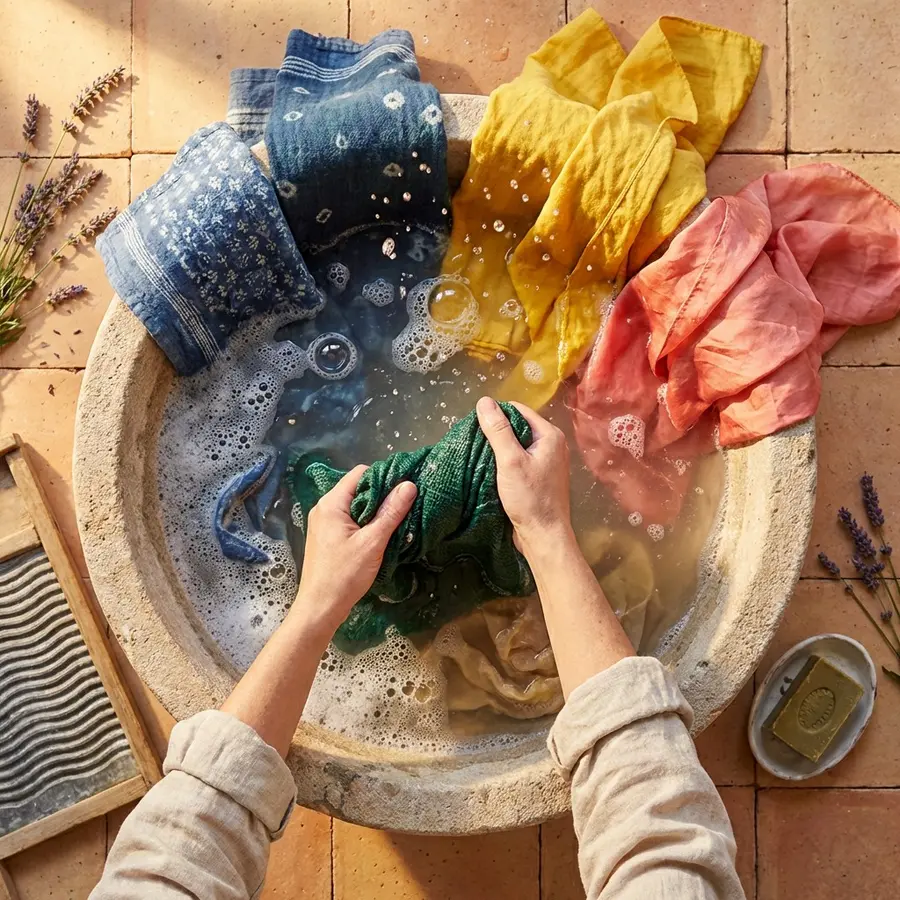
Table of Contents
Rayon should be washed according to its care label first, but when wet cleaning is permitted, the lowest-risk approach is usually a brief, cool hand wash with mild detergent, minimal rubbing, and no wringing. Support the garment while it is wet, remove moisture by pressing it in a towel, and air-dry it away from high heat.
The reason for this caution is that many conventional rayon and viscose fabrics become more vulnerable when saturated. Water causes regenerated-cellulose fibers to absorb moisture and become more pliable. At that stage, pulling, twisting, washer agitation, or the weight of the garment itself can contribute to stretching, seam distortion, surface abrasion, or tearing. A sewing discussion on Reddit specifically notes that rayon can be weak when wet and prone to laundry damage, a useful practical warning even though performance varies by fabric and garment construction.
Start with the label, not the fiber name
“Rayon” is a broad label for regenerated cellulose fibers, and a garment’s safe washing method depends on more than its fiber content. A loosely woven viscose blouse, a lined rayon dress, a rayon challis skirt, and a knit blend can all respond differently to water and handling.
Check the permanent care label before doing anything else:
- Dry clean only: Do not assume that hand washing is a safe substitute. Take the garment to a professional cleaner, especially if it is tailored, lined, pleated, embellished, structured, vintage, or deeply dyed.
- Hand wash: Use the hand-washing process below rather than treating the label as permission for vigorous soaking or scrubbing.
- Machine washable: A washer may be appropriate, but use the gentlest available setup and reduce friction as much as possible.
- Dry flat or line dry: Follow that instruction. Drying is often where rayon loses shape or shrinks.
The label reflects the complete garment, including dyes, trims, interfacing, lining, stitching, and finishing treatments. A washable rayon fabric can still be part of a garment that should not be washed at home.
Why wet rayon needs gentle handling
Viscose rayon absorbs water readily. As it becomes wet, it can swell and temporarily lose some resistance to mechanical stress. That does not mean every rayon item will tear in water, but it does mean the risk rises when wet fabric is rubbed, twisted, pulled from one point, or repeatedly knocked against other laundry.
This is why ordinary laundry habits can be damaging:
- A crowded washer lets garments rub against zippers, rough fabrics, and each other.
- Wringing concentrates stress along folds and seams.
- Lifting a heavy wet dress by one shoulder can stretch that area.
- A hot dryer combines heat with tumbling, increasing the chance of shrinkage, distortion, and loss of drape.
Fabric construction matters too. Lightweight, sheer, loose-woven, brushed, or highly draped rayon needs more caution than a stable rayon blend or a sturdier knit. Blends with cotton, linen, polyester, elastane, or nylon may behave differently, but the care label remains the deciding instruction.
How to hand wash rayon safely
For a washable rayon garment, hand washing gives you the most control over water temperature, agitation, and handling.
1. Sort and inspect the garment
Wash rayon separately from heavy items such as denim, towels, garments with zippers, and rough knits. Turn the item inside out if appropriate, close buttons or zippers, and check pockets.
Look for loose seams, pulled threads, weak underarms, damaged hems, or fragile embellishments. Washing may worsen existing damage, especially when the garment is wet.
2. Treat stains carefully
Apply a small amount of detergent or a fabric-safe stain treatment only where needed, following the product directions. Avoid harsh bleaching agents unless the garment label specifically allows them. Cellulosic fibers and dyes may be sensitive to aggressive products.
Test a hidden area first when colorfastness is uncertain. This is particularly important for saturated colors, prints, and older garments.
3. Use cool water and mild liquid detergent
Fill a clean basin or sink with cool water. Add a small amount of mild detergent intended for delicate laundry, then disperse it in the water before adding the garment.
Avoid hot water. Cool water is the safer default because heat can contribute to unwanted shrinkage and shape change in rayon and viscose fabrics. Liquid detergent is generally easier to distribute and rinse from delicate fabrics than undissolved powder.
4. Submerge and move the garment gently
Place the garment in the water and press it down gently so it becomes wet. Move it slowly through the water with your hands. Do not scrub, twist, rub fabric against itself, or repeatedly squeeze the same area.
Keep the wash brief. Extended soaking is rarely necessary for ordinary laundering and gives wet fibers more time under stress. If the garment is very soiled, professional cleaning may be safer than increasing agitation at home.
5. Rinse without pulling
Drain the wash water and refill the basin with cool, clean water. Support the garment with both hands as you move it to the rinse water. Gently press water through the fabric until detergent is removed.
Do not lift a saturated dress, blouse, or skirt from a single strap, sleeve, or shoulder. Spread the weight across both hands or cradle the garment from underneath.
Remove water without wringing
Wringing is one of the most avoidable causes of rayon damage. It twists wet fibers, strains seams, and can leave the garment misshapen.
Instead, lift the garment with full support and press it gently against the side of the basin to release some water. Then lay it flat on a clean, absorbent towel. Roll the towel and garment together into a loose bundle, then press down along the roll. The towel will absorb moisture without the twisting force of wringing.
Unroll the towel and reshape the garment while it is damp. Smooth collars, plackets, hems, cuffs, pockets, and seams into their intended positions.
Dry rayon with shape support and no high heat
For delicate rayon, drying flat on a clean towel or mesh drying rack is usually the safest option. It reduces stress from the garment’s wet weight and helps preserve its dimensions.
If the care label permits hanging, use a broad, smooth hanger for a light, stable garment and reshape it first. Avoid thin wire hangers, which can distort wet shoulders. Do not hang very heavy wet rayon garments by narrow straps or fragile necklines.
Keep rayon away from direct high heat and do not use a tumble dryer unless the label explicitly permits it. Air drying takes longer, but it is much less likely to subject the fabric to heat and repeated tumbling.
When machine washing is acceptable
If the label says machine washable, use cold water and the gentlest available cycle. Place the garment in a mesh laundry bag, ideally by itself or with similarly lightweight delicates. The bag helps limit contact with other garments and washer surfaces.
Use a mild detergent, avoid overloading the machine, and remove the item promptly once the cycle ends. Do not leave damp rayon compressed in the washer, where creasing and color transfer may become more likely.
Machine washing is best reserved for stable garments that are clearly labeled washable. It is a less suitable choice for fine woven viscose, garments with loose construction, elaborate details, fragile seams, or a history of shrinking or losing shape.
Press rayon only after checking the label
Rayon often looks better after light pressing because it can wrinkle during air drying. Check the care label for ironing guidance first. If ironing is allowed, use a low-to-medium setting appropriate for rayon, press the garment inside out when possible, and use a pressing cloth for delicate surfaces or prints.
Avoid pressing a garment until it is completely dry unless the label gives different instructions. Test an inconspicuous area first, especially on dark colors, shiny finishes, textured fabrics, and printed rayon.
The mistakes most likely to damage rayon
The safest rayon laundry care is less about a special detergent than about avoiding force while the fabric is wet. The most common errors are washing against a dry-clean-only instruction, using hot water, scrubbing stains aggressively, overfilling the washer, mixing rayon with abrasive laundry, wringing, tumble drying, and hanging a heavy wet garment from a narrow point.
If you are uncertain, choose the more conservative option: cool water, low agitation, full support, towel pressing, and air drying. Those choices protect the drape and softness that make rayon appealing while reducing the risk of tears, shrinkage, and distortion.
References
- How to Wash a Rayon Hawaiian Shirt Without Shrinking It (2026) – Yiume. yiume.com. https://www.yiume.com/en-cn/pages/faq-how-do-you-wash-a-rayon-hawaiian-shirt
- How to Wash a Rayon Hawaiian Shirt Without Shrinking It (2026) – Yiume. yiume.com. https://www.yiume.com/pt/pages/faq-how-do-you-wash-a-rayon-hawaiian-shirt
- How to Prevent, Fix, and Control Shrinkage in Viscose and Rayon Fabrics? - Moda Material. modamaterial.com. https://modamaterial.com/prevent-fix-shrinkage-viscose-rayon
- How to Wash Vintage Rayon Hawaiian Shirts Without Shrinking | GQ Care Guide – Yiume. yiume.com. https://www.yiume.com/de-ch/pages/faq-how-to-wash-vintage-rayon-hawaiian-shirt-without-shrinking
- How Do You Wash, Dry, and Dry Clean Viscose and Rayon? - Moda Material. modamaterial.com. https://modamaterial.com/wash-dry-clean-viscose-rayon
- How To Wash Rayon (& Read The Care Label Symbols Properly) - SewGuide. sewguide.com. https://sewguide.com/how-to-wash-rayon
- How to Wash Rayon to Help Prevent Shrinking | Maytag. maytag.com. https://www.maytag.com/blog/washers-and-dryers/how-to-wash-rayon.html
- Does Rayon Shrink? - The Creative Folk. thecreativefolk.com. https://www.thecreativefolk.com/does-rayon-shrink