Indian Wedding Dress for Men and Women: Styles, Textiles and Traditions
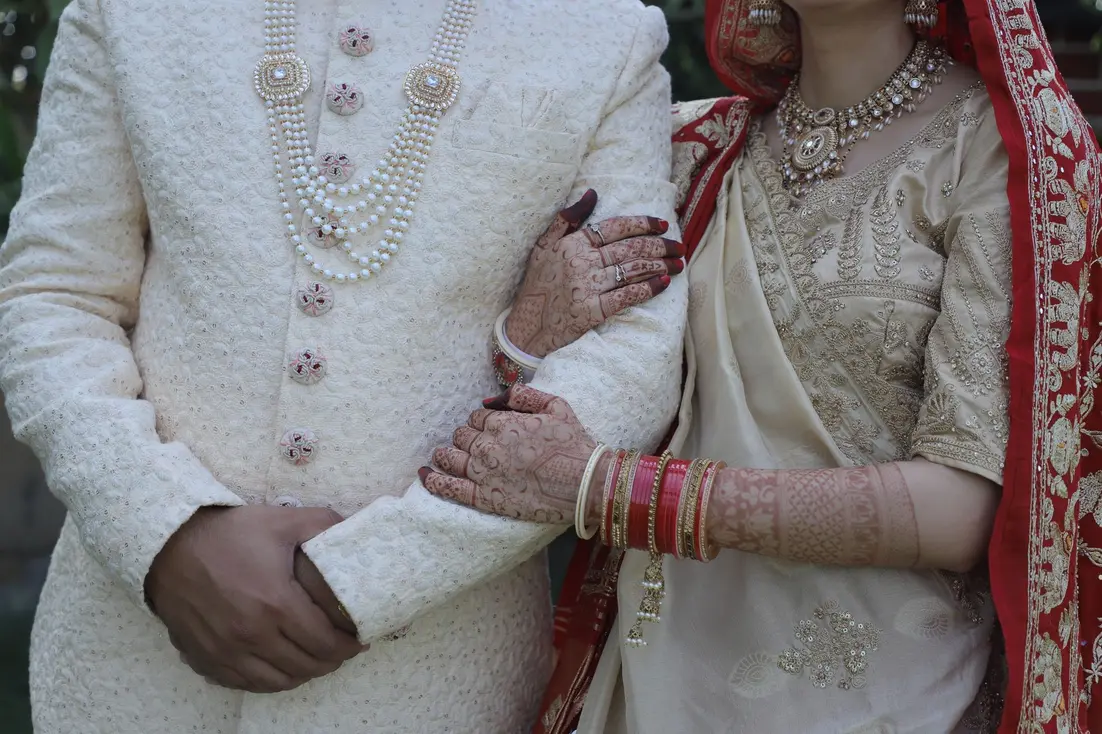
Table of Contents
Indian Wedding Attire for Men and Women
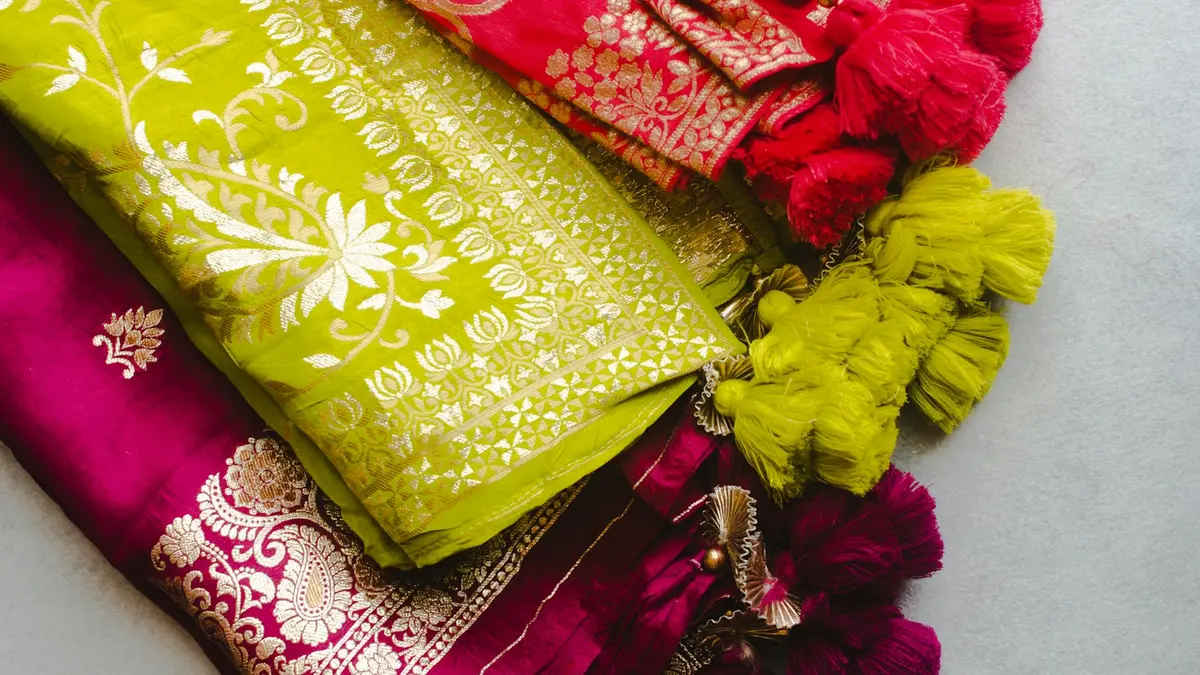
Indian wedding dress for men and women combines garment silhouette, textile choice, surface ornamentation, jewelry, regional identity and ritual purpose. Rather than one uniform dress code, Indian wedding clothing represents many community and family traditions. A wedding may include several events, and the formality, color palette and practicality of dress can change from one ceremony to another.
Source: Unsplash
Wedding wardrobes commonly include lighter or more mobile garments for daytime functions, more decorative ensembles for the main ceremony, and formal outfits for an evening reception. Men may wear kurtas, sherwanis, bandhgalas, dhotis or regional draped garments. Women may choose sarees, lehenga cholis, suits or gowns, depending on regional practice, religious customs, personal preference and the nature of the event.
Introduction to Indian Wedding Dress
Indian wedding attire is recognized for saturated color, woven pattern, embroidery, metallic ornament and carefully coordinated accessories. Silk, cotton, chiffon, georgette, velvet and blended fabrics can all appear in wedding clothing, although the selected fabric should suit the ceremony duration, climate, drape requirements and embellishment weight.
A multi-event wedding can include celebrations such as an engagement, haldi, mehendi, sangeet, wedding ceremony and reception. These events are not universal or always held in the same sequence. Guests and couples generally select outfits according to local custom and invitation guidance rather than assuming that every ceremony requires a separate prescribed garment.
Men’s Indian Wedding Garments
Men’s wedding garments range from relaxed tunic-and-trouser combinations to structured formal suits and ritual drapes. Selection depends on the region, the groom’s community, the ceremony and the desired balance between comfort and ceremonial presence.
Kurta-Pyjama
A kurta-pyjama consists of a long, loose shirt called a kurta and pyjama-style trousers. The trouser may be straight, tapered or softly gathered at the ankle. Cotton and cotton-silk versions offer breathability for daytime events, while silk, jacquard, brocade and embroidered fabrics create a more formal appearance.
Kurta-pyjama is often suitable for functions such as mehendi, sangeet or family gatherings because it allows movement and can be styled at different levels of formality. A simple cotton kurta may be paired with a printed stole or Nehru jacket, while a festive kurta may use woven motifs, metallic threadwork or a contrasting dupatta.
Dhoti-Kurta
The dhoti-kurta combines a kurta or long shirt with a dhoti, a length of cloth wrapped and pleated around the lower body. Cotton is widely used for everyday and ritual dhotis, while silk versions are selected for formal or celebratory occasions. The method of draping varies by region and community.
For weddings, the ensemble may be completed with an angavastram, stole or dupatta over the shoulder. It is especially relevant in traditions where unstitched or draped cloth has ceremonial value. The wearer should ensure that the dhoti is securely draped and allows safe movement during lengthy rituals.
Bandhgala or Jodhpuri Suit
A bandhgala is a close-fitting, closed-front jacket with a high stand collar, commonly described as a Nehru-style collar. In wedding fashion, the term is frequently associated with the Jodhpuri suit, although design details and commercial naming can vary. The jacket is usually worn with straight trousers, breeches or fitted churidar-style bottoms.
This silhouette has a tailored and formal appearance. Wool blends, silk, velvet, jacquard and brocade are used for different seasons and levels of ceremony. Buttons, piping, embroidery and decorative pocket squares can add detail without changing the fundamental structured construction.
Angavastram
An angavastram is a rectangular cloth draped across the shoulder and upper body. It may be plain, bordered or woven with decorative stripes. White or off-white cloth with colored or metallic borders is commonly associated with religious and ritual contexts in several South Indian traditions.
At weddings, an angavastram may be worn with a dhoti and kurta or with another traditional lower garment. Its exact drape, border color and ceremonial use should follow the customs of the family, priest or community conducting the wedding.
Pathani Suit
A Pathani suit generally combines a long, loose shirt with straight or relaxed trousers. It has a less fitted character than a bandhgala or Jodhpuri suit and is valued for ease of movement. Collar shape, pocket treatment and placket design can differ among contemporary versions.
Cotton, linen blends and soft woven fabrics suit informal daytime functions, while darker colors, embroidery or richer fabrics can make the suit appropriate for evening celebrations. Because it is relatively relaxed, fit at the shoulder and sleeve length remain important for a polished appearance.
Nehru Jacket
A Nehru jacket is a sleeveless, structured waistcoat with a high mandarin-style collar and front opening. It is commonly layered over kurta-pyjama, but can also be worn with a shirt and tailored trousers for a contemporary fusion look.
The jacket provides a useful surface for woven checks, brocade, embroidery or contrast buttons while keeping the base garment comparatively simple. Coordinating the jacket with a stole, turban or footwear can create a complete wedding ensemble without excessive ornament.
Men’s Wedding Accessories
Accessories complete men’s wedding attire by adding color coordination, ceremonial identity and personal detail. Their scale should be considered alongside the fabric and ornament of the main garment: heavily embroidered clothing generally benefits from more restrained accessories, while plainer garments can support a decorative turban, stole or necklace.
Turban or Safa
A turban or safa is traditional groom headwear in many Indian wedding settings. Forms, names, wrapping methods and regional associations differ widely. Some are made from long lengths of fabric wrapped around the head, while others are pre-stitched for convenience.
Color may coordinate with the groom’s outfit, the bride’s ensemble or the broader wedding palette. Silk, cotton, muslin and synthetic blends may be used, depending on local style and the desired structure. Brooches, feathers or jeweled ornaments may be added where culturally appropriate.
Mojari and Jutti Footwear
Mojari and jutti are traditional footwear styles commonly worn with Indian formal dress. They are generally closed shoes with shaped uppers and may have a pointed or curved toe. Materials can include leather, textile, velvet and embroidered fabric, with metallic thread, beads or sequins used for decorative versions.
Terminology and regional associations vary, and the practical distinction between the names is not always consistent in retail use. For wedding wear, the footwear should complement the hem length and color of the garment while remaining comfortable enough for standing and walking during ceremonies.
Stole or Dupatta
A stole or dupatta is a long textile accessory draped over one or both shoulders. In men’s wedding dress, it may introduce a contrasting color, woven border, zari detail or embroidered motif. It can also visually connect the groom’s outfit to the bride’s color palette without requiring identical clothing.
A stole is often narrower and may be styled as a scarf-like layer, whereas a dupatta can be broader and more ceremonial. Local styling conventions determine whether it is worn over one shoulder, across both shoulders or secured at the waist.
Necklaces and Earrings
Necklaces, pendants, brooches and earrings are optional parts of groom styling in some communities and fashion contexts. Pearl strands, gemstone necklaces and metallic pendants can be paired with a sherwani, bandhgala or kurta, particularly when the wedding aesthetic includes royal or heritage-inspired details.
Jewelry should be selected with attention to weight, comfort and proportion. Its use is culturally variable; it should not be treated as a requirement for all Indian grooms.
Sehra
A sehra is a groom’s headdress featuring suspended flowers, beads, strings or decorative strands that may partially cover the face. It is worn in particular North Indian wedding traditions and can be attached to a turban or other headwear.
In some families, the sehra is associated with cultural beliefs about protecting the groom from the evil eye. Such symbolism is tradition-specific rather than universal. Fresh flowers, artificial floral elements, beads and pearl-like strands are common materials.
Women’s Indian Wedding Dress Styles
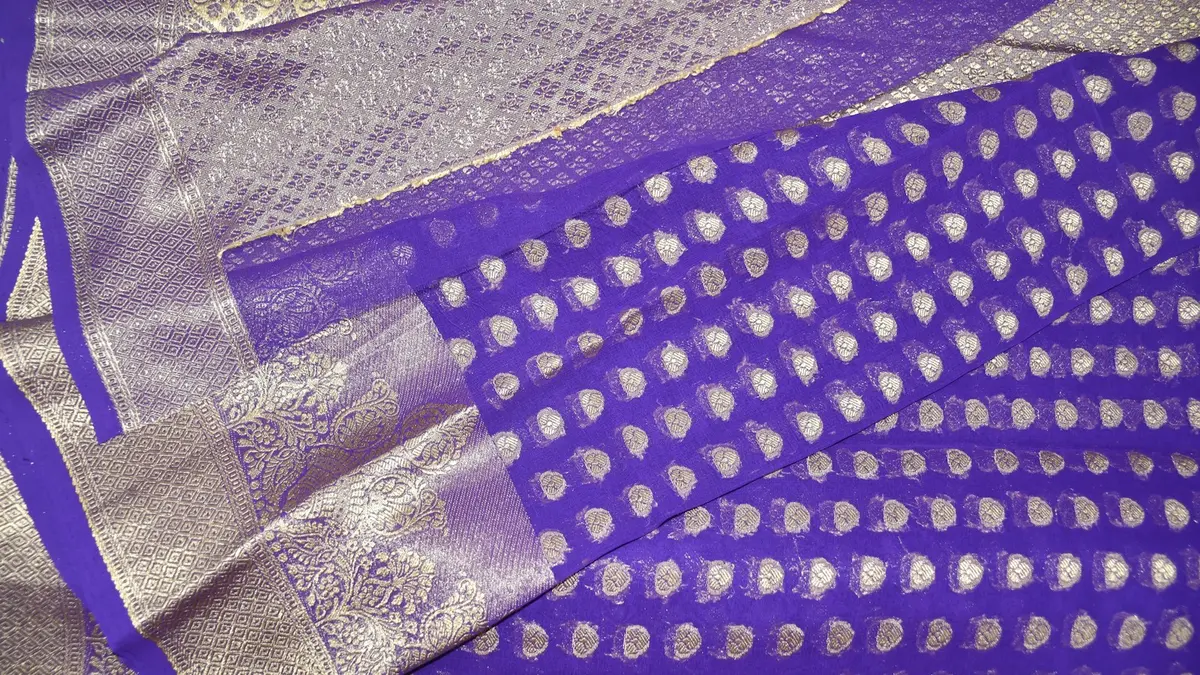
Women’s Indian wedding clothing includes draped, stitched and layered forms. Bridal choices are influenced by regional dress traditions, family custom, religion, ceremony timing and the wearer’s individual style. Surface decoration may include zari, brocade, hand embroidery, sequins, beads, appliqué, prints and woven motifs.
Source: Unsplash
The construction of a garment affects both its visual effect and its suitability for long celebrations. Sarees rely on drape and border placement, while lehengas depend on skirt flare, paneling, lining and the relationship between blouse, skirt and dupatta. Heavier embellishment should be supported by stable fabrics and carefully finished seams.
Traditional Red Bridal Lehenga
A lehenga choli usually consists of a flared skirt, fitted blouse and dupatta. Red is a significant bridal color in many Indian traditions and is often associated with auspiciousness, prosperity, celebration and new beginnings. In some Hindu cultural contexts, red may also be connected with feminine power and devotional symbolism.
However, red is not a universal bridal requirement. Brides may wear maroon, pink, gold, ivory, green, orange, pastel shades or regionally customary colors. A red lehenga may use silk, velvet, satin, georgette or net as its base, with embroidery ranging from restrained borders to dense all-over work.
Gold-Toned Indian Wedding Gowns
Gold-toned wedding gowns and lehengas use gold as a color, a metallic decorative effect or both. Silk, chiffon, georgette and net may be layered to create fluid drape, while embroidery, sequins, beads and zari supply reflective detail.
Gold is frequently used in Indian wedding fashion because it visually complements jewelry and ceremonial textiles. The level of embellishment should be balanced against garment weight and wearer comfort. Heavily worked bodices and skirts may need lining, reinforcement and secure finishing to prevent distortion during wear.
Banarasi Silk Saree
Banarasi sarees are associated with Varanasi in northern India. They are valued for silk fabrics, brocade effects and zari decoration that produces gold- or silver-toned patterning. Floral, foliate and ornamental motifs often appear across the body, border and pallu.
A Banarasi saree is widely used for bridal and formal wear, particularly in North Indian wedding contexts. The saree is often paired with gold-toned jewelry, but blouse construction, drape style and accessory selection vary by wearer and occasion. Careful storage is important because metallic yarns and silk can be affected by moisture, abrasion and folding pressure.
Kanjeevaram Saree
Kanjeevaram, also called Kanchipuram silk, is associated with Kanchipuram in Tamil Nadu and is prominent in South Indian bridal dress. Traditional examples use silk yarns and zari, often with strong borders and contrasting pallus. Authentic material composition and weaving practice can vary by producer and product category.
Designs may include temple-inspired borders, checks, stripes, florals, birds or motifs drawn from religious and cultural imagery. The visual contrast between the main body and pallu is a recognizable feature in many designs. Its comparatively substantial silk structure gives the saree a distinctive drape and formal presence.
Sharara Suit
A sharara suit includes a short or medium-length kurta with very wide, flared lower garments that expand from the upper leg. The silhouette has historical connections to Mughal-influenced dress and is strongly associated with North Indian and Lucknowi fashion traditions.
Contemporary shararas appear in wedding wardrobes because their movement and volume suit festive events. Fabrics such as georgette, chiffon, silk and net can create different degrees of flare. Embroidered hems, gota-style decoration, lace and sequins are often used to emphasize the lower garment’s breadth.
Anarkali Suit
An Anarkali suit features a long, fitted-at-the-bodice and flared kurta, commonly worn with churidar-style fitted lower garments and a dupatta. Its aesthetic is frequently described as Mughal-inspired, although modern versions vary widely in length, paneling and ornament.
The flowing silhouette makes it suitable for receptions and formal functions. Designers may use kalis, circular cutting or gathered construction to create flare. Fabric choice is important: lightweight georgette creates fluid movement, while silk or velvet produces more body and structure.
Palazzo Suit
A palazzo suit combines a kurta with wide-legged palazzo trousers and usually a dupatta. It is a contemporary fusion silhouette that offers a more relaxed fit than churidar or straight-trouser suits. Palazzo widths may range from modestly wide to highly flared.
This outfit is useful for pre-wedding functions, daytime celebrations and events where comfort is a priority. Fabric drape affects the appearance of the trouser: soft rayon, crepe, georgette and lightweight silk blends produce movement, while stiffer fabrics create a more architectural shape.
Paneled or Kalidar Lehenga
A paneled or kalidar lehenga is constructed from vertical sections known as kalis. The panels are narrower at the waist and wider toward the hem, producing a controlled flare. Panel count, fabric width, seam placement and lining all affect skirt volume and drape.
A higher number of panels can create greater circumference, but the final silhouette also depends on the cut of each panel and the fabric’s stiffness. This construction allows designers to place contrasting fabrics, borders or embroidery strategically while shaping the skirt to fit at the waist.
Conclusion
Indian wedding clothing is a broad textile and apparel category rather than a single costume system. Sarees, lehengas, suits, draped garments, jackets, headwear and jewelry all carry regional, ceremonial and personal meaning. The same garment type can appear very different when its fabric, color, weave, embroidery, drape and accessories are changed.
For designers, students and sourcing teams, the key consideration is context. Understanding garment construction and textile behavior is important, but respectful use also requires awareness of regional customs, religious practices and the specific ceremony for which the clothing is intended.
Frequently Asked Questions
How Many Outfits Are Needed for an Indian Wedding?
The number depends on the wedding schedule, community tradition, budget and guest role. Some weddings include separate events such as engagement, haldi, mehendi, sangeet, the main ceremony and reception, while others combine or omit these functions. Couples and guests should use the event itinerary and dress guidance as the main planning reference.
How Much Can a Wedding Dress Be Altered?
Alteration capacity depends on seam allowance, fabric type, pattern layout, lining, embroidery placement and construction method. A garment can usually be adjusted more easily when it has adequate seam allowance and relatively simple side seams. Heavily embroidered, beaded, woven-pattern or tightly fitted garments may require more complex work and may have limited adjustment potential.
What Is a Popular Indian Wedding Dress Style?
The lehenga choli is a widely popular bridal style, especially for formal wedding ceremonies and receptions. Its popularity varies by region, community, family preference and current fashion trends. Sarees, including Banarasi and Kanjeevaram styles, remain equally important bridal choices in many traditions.
What Head Ornaments Do Indian Brides Wear?
Bridal head ornaments can include a maang tikka, mathapatti, bor and borla. A maang tikka is generally positioned along the hair parting and forehead, while other forms may frame the hairline or sit at the center of the head. Names, shapes and customary use differ among regional and cultural traditions.
Which Colors Are Used for Indian Wedding Dresses?
Red, green and yellow are commonly associated with some Indian wedding traditions, but color preferences vary significantly. Brides and families may select red, maroon, pink, gold, ivory, orange, green or other colors according to region, religion, ceremony type and personal choice. The most appropriate palette is therefore tradition- and event-specific rather than fixed.