Pressure Vessels in the Textile Industry: Types, Applications and Safety
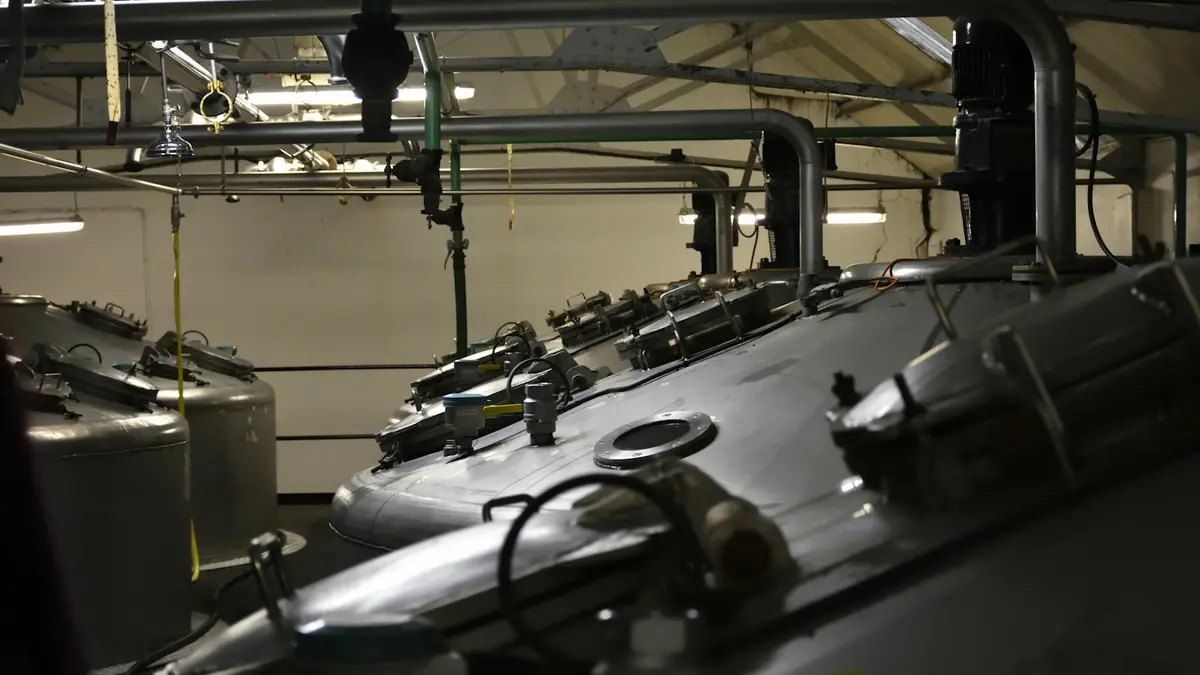
Table of Contents
Pressure Vessels in Textile Processing: An Overview
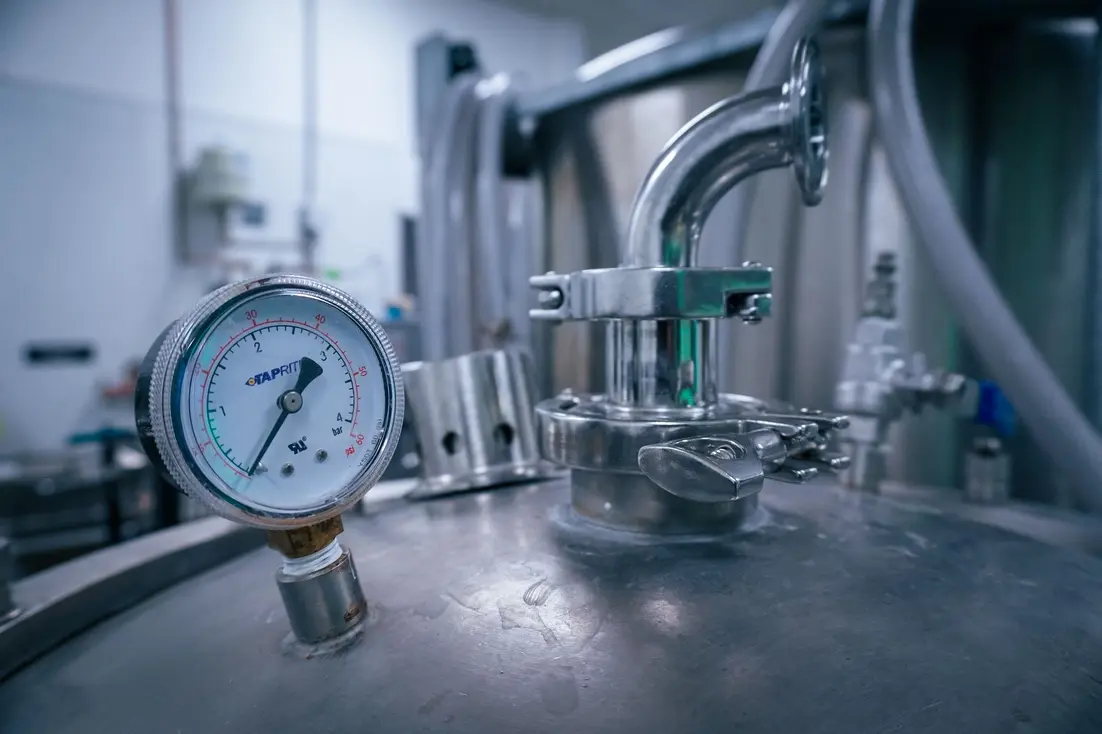
Pressure vessels are enclosed items of equipment used when a textile process combines elevated temperature, pressure, circulating liquor and chemical exposure. They can be part of dyeing machines, yarn-package systems, kier-type wet-treatment equipment, heat exchangers and certain chemical-handling systems. Their purpose is not simply to contain liquid: they help maintain controlled process conditions while protecting people, plant assets and the surrounding environment.
In textile wet processing, pressure equipment may be exposed to repeated heating and cooling, alkaline or oxidizing liquors, dyes, auxiliaries, condensate, cleaning chemicals and frequent batch cycles. Safe performance therefore depends on vessel design, material selection, fabrication quality, operating controls, relief protection, inspection and maintenance throughout the equipment life cycle.
Source: Pexels
Defining a Pressure Vessel
A pressure vessel is equipment designed to contain a gas or liquid at a pressure substantially different from ambient pressure. The pressure differential may be internal, as in a heated dyeing vessel, or external, as in equipment designed for vacuum service. An ordinary storage tank operating close to atmospheric pressure is not automatically a pressure vessel.
Typical vessel elements include a shell, formed heads, nozzles, manways, supports, instrument connections, piping interfaces and pressure-relief protection. Cylindrical shells with formed ends are common because they can be manufactured, inspected and integrated with heating, circulation and loading arrangements. The applicable code, registration and inspection requirements must always be confirmed for the equipment location, process service and authority having jurisdiction.
Organizations and Standards for Pressure Vessels
Pressure-vessel design, materials, fabrication, testing, inspection and repair are influenced by several standards organizations, industry bodies and local authorities. Their documents do not replace site-specific engineering judgement or legal obligations. A textile mill should determine which rules apply before buying, modifying, operating or repairing pressure equipment.
American Society of Mechanical Engineers (ASME)
ASME publishes widely used pressure-equipment design and construction rules, including the Boiler and Pressure Vessel Code (BPVC). The relevant BPVC section depends on the equipment type, design pressure and temperature, fabrication method, service conditions and how the code has been adopted in the installation jurisdiction.
For many unfired textile process vessels, ASME BPVC Section VIII may be relevant, but its applicability should not be assumed solely because a machine uses steam or operates above atmospheric pressure. The machine supplier, owner, engineer and local authority should establish the correct construction and documentation requirements.
ASTM International
ASTM International develops material specifications, test methods and measurement standards that can support pressure-vessel work. These may address material composition, mechanical properties, corrosion testing, dimensional measurement or nondestructive examination methods.
ASTM standards help specify and verify suitable materials and tests. They do not, by themselves, replace the construction, certification, inspection or repair requirements of an applicable pressure-vessel code.
National Board of Boiler and Pressure Vessel Inspectors (NBBI)
The National Board of Boiler and Pressure Vessel Inspectors is associated with pressure-equipment inspection, accreditation and repair-related practices. Its work is particularly relevant where National Board requirements, inspection programs or repair rules have been adopted.
Inspection intervals, repair authorization, documentation and inspector involvement may also be established by the authority having jurisdiction. Textile plants should maintain complete records of design data, repairs, alterations, examinations and relief-device servicing.
Main Categories of Pressure Vessels
Pressure vessels are often grouped by function rather than by shape alone. Three useful categories are pressurized storage vessels, heat-exchange equipment and process pressure vessels. In practice, one machine may combine functions, so classification should follow the actual design and service duty.
Pressurized Storage Vessels
Pressurized storage vessels hold gases or liquids under specified operating conditions. In a textile facility, they may be associated with utilities, compressed gases or particular chemical systems where pressurized storage is necessary. Selection must consider the chemical identity, concentration, temperature, compatibility, transfer method, venting and dosing arrangement.
Not all dyes, auxiliaries or textile chemicals require pressurized storage. Many are stored and prepared in atmospheric tanks, drums or intermediate containers. The storage system must be selected for the actual hazard and process requirement rather than assumed from the material name.
Heat-Exchange Equipment
Heat exchangers transfer heat between separate fluid streams through a pressure boundary. Tube-and-shell, plate and other exchanger arrangements may be used, depending on pressure, fouling tendency, cleaning needs and heat-transfer duty.
Textile mills can use heat exchangers to recover energy from hot effluent or to heat incoming process water and liquor where the process layout supports recovery. Both sides of an exchanger may require pressure assessment, particularly where steam, condensate or pumped hot liquor is present.
Process Pressure Vessels
Process vessels may heat, cool, mix, hold, separate or condition material under controlled conditions. In textile machinery, the vessel may be integrated with pumps, heat exchangers, filters, liquor-circulation paths and automation controls.
For batch wet processing, process control can include temperature, pressure, liquor ratio, circulation direction, dwell time and chemical addition. These parameters work together; pressure alone does not determine process quality.
Thin-Walled Versus Thick-Walled Vessels
Thin-walled and thick-walled are simplified engineering descriptions based on the relationship between wall thickness and vessel radius. The distinction helps explain stress behaviour, but it is not a complete design method.
Actual vessel design must account for shell and head geometry, nozzles, manways, welds, supports, external loads, corrosion allowance, material properties, temperature effects and applicable code rules.
Thin-Walled Pressure Vessels
A thin-wall approximation may be used when wall thickness is small compared with vessel radius. In simplified calculations, stress is treated as approximately uniform through the wall thickness. This approach is useful for basic understanding but is not a substitute for code-compliant engineering analysis.
For thin cylindrical shells, hoop stress is usually the dominant membrane stress. Weld seams, head-to-shell junctions, nozzle openings and attachments require special attention because they create local stress concentrations that are not represented by simple shell equations.
Thick-Walled Pressure Vessels
In a thick-walled pressure boundary, stress varies significantly from the inner wall to the outer wall. More detailed analysis is required because the simple thin-wall assumption is no longer reliable.
Selection of a robust vessel for textile service should consider operating pressure and temperature, chemical compatibility, corrosion allowance, batch frequency, cleaning method, access for internal examination and future repairability. A thicker wall does not automatically solve a compatibility or fatigue problem.
Pressure-Vessel Stress Components
Pressure vessels experience hoop, longitudinal and radial stresses. Hoop stress acts around the circumference of a cylindrical shell, longitudinal stress acts along its length and radial stress acts through the wall thickness. Additional local stresses can occur at nozzles, supports, brackets, manways and abrupt changes in geometry.
For an idealized closed, thin-walled cylindrical vessel under internal pressure, hoop stress can be expressed as pr/t, while longitudinal stress can be expressed as pr/2t, where p is internal pressure, r is vessel radius and t is wall thickness. These equations assume a simple geometry, uniform thickness and membrane-stress behaviour. They do not cover openings, weld details, external pressure, thermal gradients or code-required design checks.
Cylindrical shells with formed heads are widely used because they provide an efficient enclosed shape and can be adapted to textile-machine layouts. Head geometry affects stress distribution, so heads, transitions and connections must be designed as part of the complete pressure boundary.
Pressure-Vessel Failure Mechanisms
Pressure-vessel failure is the loss of required containment, strength, stiffness or service function. It can range from a small gasket leak to sudden rupture. In textile processing, risks can be increased by pressure excursions, corrosive liquors, elevated temperatures, cyclic operation, weld defects, deteriorated seals and inadequate maintenance.
A sound integrity program identifies credible failure mechanisms, verifies protective devices and tracks changes in service conditions. Inspection and risk assessment are central controls, especially after process changes, repairs or unexplained operating events.
Immediate Failure Modes
Short-term failure modes include brittle fracture, ductile fracture, leakage and instability. Brittle fracture can occur with limited visible deformation, while ductile failure may be preceded by bulging, distortion or yielding. Leakage may originate at gaskets, seals, nozzles, flanges, instrument connections or damaged welds.
Contributing factors can include excessive pressure, unsuitable material selection, manufacturing defects, poor installation, impact damage or incorrect assembly after maintenance. Instability can be a concern where external pressure, vacuum conditions or inadequate structural support are present.
Progressive Service Degradation
Longer-term degradation can include corrosion, wall thinning, local pitting, bulging, plastic deformation and, at sufficiently high temperature and duration, creep-related damage. The relevant mechanism depends on the material, process chemistry, temperature, stress state and cleaning practice.
Thickness monitoring, corrosion mapping, internal examination and material-compatibility review can help identify deterioration before containment is compromised. Findings should be evaluated by competent personnel and compared with the vessel’s allowable limits and integrity plan.
Fatigue From Pressure Cycling
Repeated pressurization, depressurization, heating and cooling can initiate fatigue cracks, particularly near welds, nozzles, geometric transitions and other stress concentrators. The maximum pressure rating alone does not describe this risk.
Fatigue assessment should consider operating cycles, pressure range, temperature changes, equipment geometry, repair history and inspection results. High-throughput batch equipment requires fatigue management alongside routine checks for corrosion and leakage.
Textile Applications of Pressure Vessels
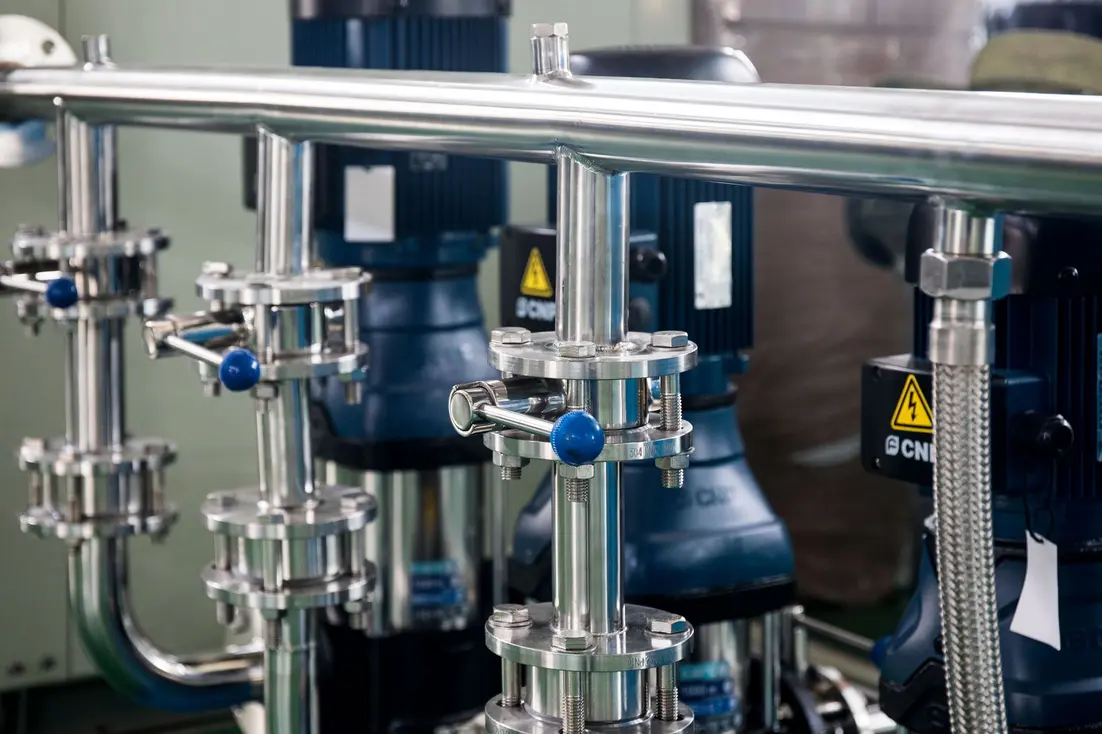
Pressure-rated equipment can support textile operations that require controlled heat treatment, chemical action and liquor circulation. Its use is process-specific: many textile machines operate at or near atmospheric pressure and do not need pressure-vessel construction.
Source: Pexels
1. Dyeing Equipment
HTHP jet dyeing systems, package dyeing machines and autoclave-type equipment can operate as pressure-rated systems when their design conditions require elevated-temperature dyeing. Controlled temperature, pressure and liquor circulation help establish repeatable conditions for the fibre, yarn or fabric being processed.
The equipment must distribute heated dye liquor effectively without damaging the substrate. Actual machine classification depends on its certified design, operating limits and pressure boundary, not simply on whether it is described as a dyeing machine.
2. Fabric-Finishing Operations
Some finishing treatments use enclosed pressure service where a recipe and machine design require it. Possible applications include selected chemical, resin-based or thermal treatments, but many finishing operations use open equipment and do not require pressure vessels.
When pressure-assisted finishing is used, process control must include chemical compatibility, temperature limits, dwell time, exhaust arrangements and safe access for cleaning and maintenance.
3. Textile-Printing Processes
Pressure has a limited, process-dependent role in textile printing. It may be relevant to enclosed thermal operations, heat-transfer steps or thermal bonding associated with printed constructions.
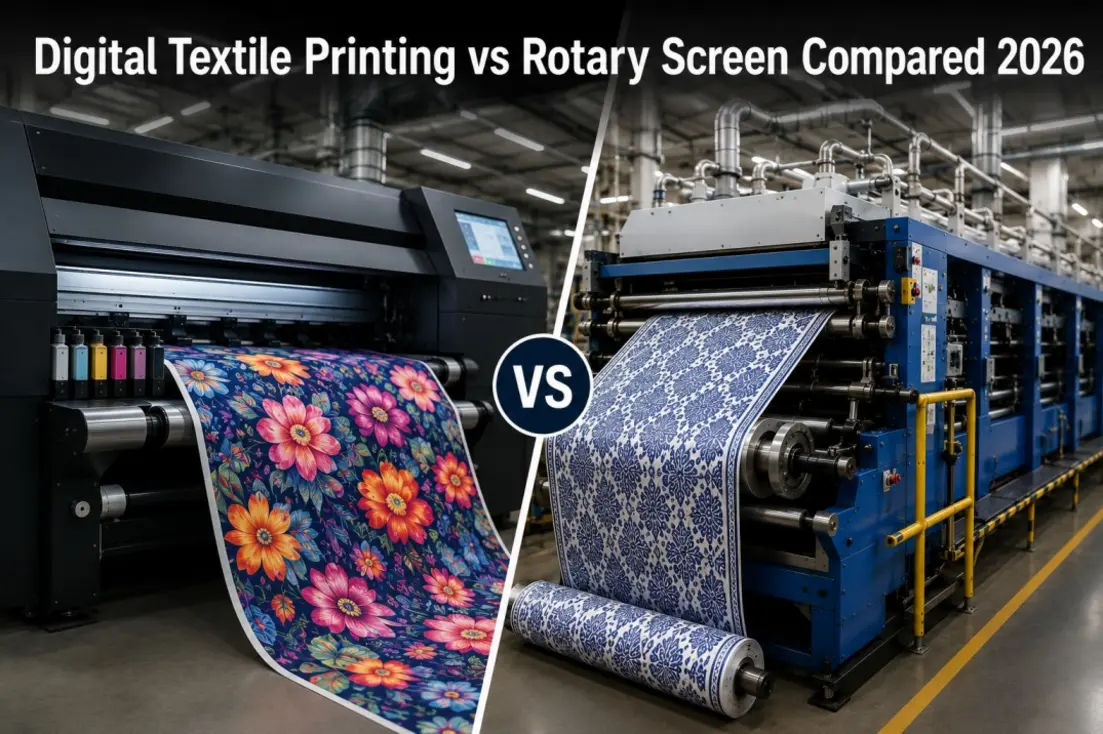
Most printing methods, including many screen, rotary and digital processes, do not inherently depend on pressure vessels. Any pressure-rated equipment should therefore be justified by the specific curing, transfer or bonding process.
4. Textile-Coating Systems
Pressure-rated vessels or chambers may be used in coating-material handling, application support or enclosed curing systems. The need depends on coating chemistry, viscosity, operating temperature, transfer pressure and the production method.
Equipment selection should account for compatibility with coating ingredients, ventilation or exhaust requirements, cleaning procedures and safe isolation before maintenance. A pressure vessel is only one part of a complete coating-process safety system.
5. Textile Chemical Treatments
Pressure-assisted wet treatments can include kier boiling, scouring, bleaching and desizing where suitable pressure-rated equipment is used. These processes rely on the combined effects of recipe chemistry, temperature, time, circulation and substrate preparation.
Pressure may enable operation at elevated temperature in a closed system, but it does not alone guarantee treatment uniformity or reaction performance. The vessel, pumps, heating controls, liquor path and chemical-containment measures must work together.
6. Textile Bonding and Lamination
Controlled pressure and temperature can consolidate layers in selected textile bonding, laminating and composite-fabric processes. Uniform pressure can support consistent contact between layers, but bond quality also depends on adhesive chemistry, temperature profile, dwell time and substrate construction.
Selection should include pressure and temperature ratings, material compatibility, cleaning needs and inspection access. Equipment handling adhesives, solvents or reactive materials may also require ventilation, emission controls and suitable safety procedures.
Key Takeaways
Pressure vessels support textile operations in which heat, pressure and chemical treatment must be controlled within an enclosed system. They are particularly relevant to some dyeing, wet-treatment, utility and heat-recovery duties, but they are not required for every textile process.
Safe and consistent performance depends on appropriate sizing, compatible materials, compliant design, disciplined operation, effective relief protection and planned inspection. Selection should consider lifecycle factors such as chemistry, duty cycle, corrosion potential, maintainability and access for inspection rather than purchase price alone.
Frequently Asked Questions
Q1. How Are Pressure Vessels Used in Textile Manufacturing?
Suitable pressure-rated equipment can control pressure, temperature and liquor movement during dyeing, bleaching, finishing and chemical-treatment operations. Depending on the process, this may support penetration, levelness and batch repeatability.
Q2. Which Pressure Equipment Is Used for Textile Dyeing?
Examples include HTHP jet dyeing machines, package dyeing vessels and autoclave-type equipment where their design and service conditions apply. They circulate heated dye liquor through fabric or yarn under controlled conditions.
Q3. Which Material Suits a Textile Pressure Vessel?
There is no universal material choice. Carbon steel may suit compatible general duties, while stainless steel or lined construction may be appropriate for more demanding chemical environments. Selection should consider temperature, alkali, oxidizers, chlorides, cleaning chemicals, corrosion allowance and applicable code requirements.
Q4. How Should a Textile Plant Maintain a Pressure Vessel?
Routine maintenance should review relief devices, pressure indicators, welds, nozzles, gaskets, corrosion signs and leakage. Thickness measurement, internal examination and appropriate nondestructive testing may be needed. Methods and intervals should follow the plant integrity program, manufacturer guidance, applicable codes and jurisdictional rules.
Q5. How Does a Pressure Vessel Differ From a Standard Tank?
A standard tank generally operates near atmospheric pressure. A pressure vessel is designed for a significant internal or external pressure differential. This difference leads to more rigorous requirements for engineering design, materials, fabrication, welding, protective devices, inspection and repair.