Salwar Kameez for Women: Features, Fabrics, Size Charts and Style Variations
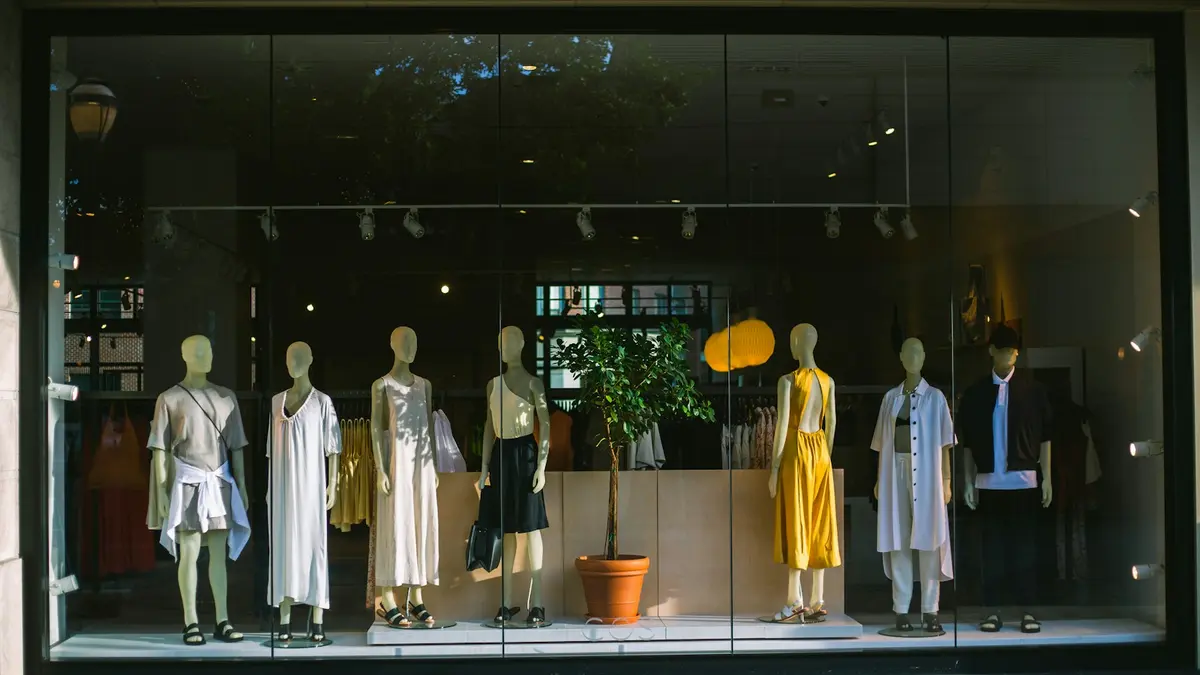
Table of Contents
Salwar Kameez for Women: An Overview
Salwar kameez for women is a coordinated outfit built around a tunic and lower garment, with a dupatta included in many ensembles. It is an important category within South Asian apparel and is produced in forms ranging from simple daily wear to highly embellished occasionwear. For textile and apparel professionals, the garment is useful to study because its performance depends on the relationship between silhouette, fabric weight, fit allowance, surface decoration and intended use.
The term is often used broadly in retail, but individual garments can differ significantly in length, ease, trouser shape, sleeve treatment, neckline construction and styling. The sections below examine the garment as both a practical clothing system and a fashion product, with attention to components, seasonal fabric selection, material planning, sizing and style options.
Components, Cultural Context and Everyday Use
A conventional salwar kameez ensemble has three possible elements:
- Salwar: the lower garment, traditionally full through the upper leg and gathered, pleated or narrowed towards the ankle.
- Kameez: the upper tunic, which may range from hip length to knee length, mid-calf length or longer depending on the silhouette.
- Dupatta: a separate scarf or draped textile that may coordinate with the suit. Its use is optional in many contemporary outfits and depends on the design, occasion and wearer preference.
The outfit is strongly associated with Punjabi dress traditions, while related forms are worn across South Asia and in diaspora communities. It should not be treated as a single fixed regional costume: local tailoring practices, textile traditions and styling conventions have produced many variants. The widespread use of salwar kameez is linked to comfort, modest coverage, ease of movement and the ability to adapt the same basic garment system for workwear, informal wear, festive dressing and formal events.
For everyday use, cotton or blended suits may be selected for washability and mobility. For dinners, celebrations and parties, the same garment format can be developed in finer fabrics, longer lengths, decorative trims or embroidery. This adaptability makes the category commercially important across value, mid-market and occasionwear segments.
Construction and Design Features of Salwar Kameez
The defining construction feature of a classic salwar is fullness around the hip and thigh with a reduced circumference at the ankle. Fullness can be controlled through gathers, pleats, panels, a shaped crotch curve or a combination of these methods. The ankle may be finished with a narrow cuff, elastic casing, drawstring treatment or shaped opening. Actual cuff dimensions vary by design and should be specified in the production measurement sheet rather than assumed as a standard.
The kameez is a tunic-shaped garment that commonly falls between the knee and mid-calf, although short kurtis and floor-length dresses are also sold within the wider category. Typical construction details include a round, V-shaped or collared neckline; set-in, raglan or extended sleeves; side seams; side slits; hem facings; and a front opening where required. A placket can provide functional access or serve as a decorative feature. Side pockets are optional and are more common in practical casual designs than in lightweight or highly fitted occasionwear.
Fit is usually described through ease and body shaping. A loose fit has generous ease through the bust, waist and hip. Semi-fitted and medium-fitted styles use shaping through side seams, darts, princess seams or panels. A close-fitting kameez requires careful allowance for movement, particularly across the bust, upper arm and hip. The selected fit affects fabric consumption, grading, seam placement and wearer comfort.
Surface ornamentation may be concentrated around the neckline, sleeve edge, placket, hem and side-slit area. Common treatments include:
- Mirror work: small reflective mirrors or mirror-like pieces secured with thread embroidery.
- Aari work: chain-stitch embroidery traditionally worked with a hooked awl, now also reproduced by machine methods.
- Zardozi: metallic-thread embroidery that may incorporate wires, beads, sequins or other raised embellishments.
- Embroidery: a broad category that may include hand, machine, thread, bead or sequin techniques.
Decoration should be planned with fabric stability in mind. Heavy embroidery can distort fine georgette, voile or lightweight rayon unless supported by suitable backing, reinforcement or garment construction.
Seasonal Fabric Selection
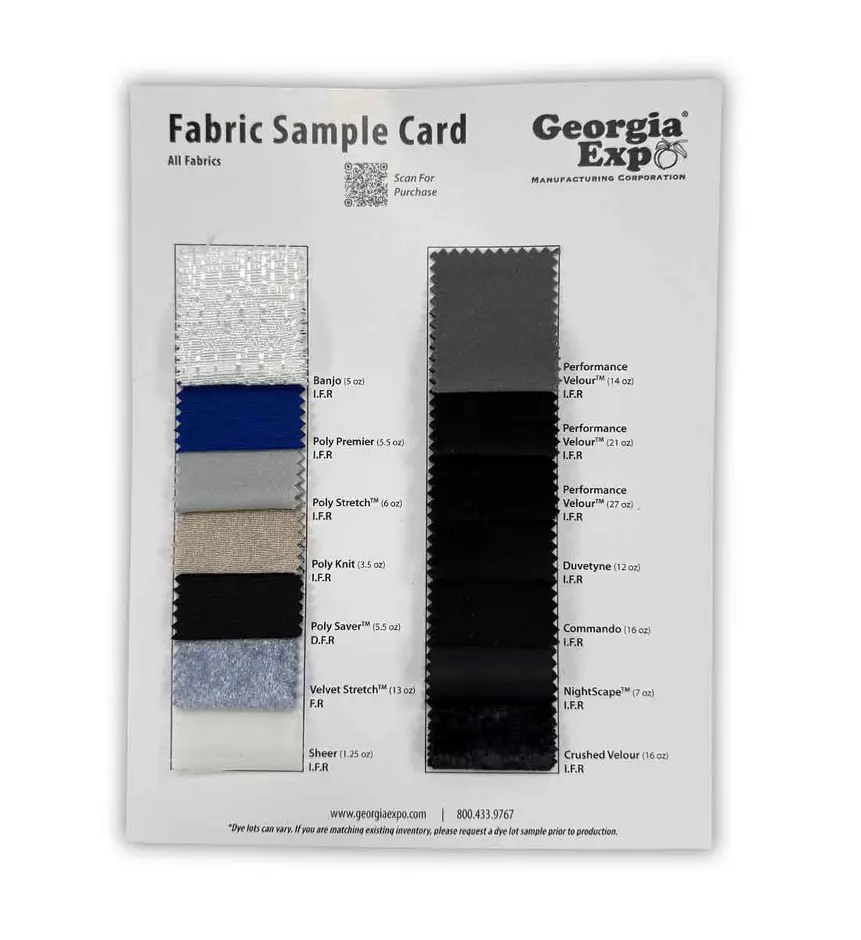
Fabric selection for salwar kameez should consider fibre content, yarn count, weave or knit construction, fabric mass, opacity, drape, shrinkage, finishing and local climate. Seasonal labels are useful merchandising tools, but thermal comfort is not determined by fibre name alone. A loose garment in a breathable woven fabric may feel cooler than a close-fitting garment made from the same fibre, while lining and layered styling can substantially change comfort.
Source: Unsplash
Fabrics for Spring and Summer Salwar Kameez
Cotton is widely used for warm-weather salwar kameez because it can be breathable, absorbent and comfortable against the skin. Its final performance depends on fabric construction and finish. Fine cotton voile is lightweight and soft but may require lining or a layered dupatta because of its relative transparency. Cotton cambric is generally firmer and smoother than voile, making it suitable for printed suits, kurtis and garments that need more body.
Poplin is a closely woven fabric with a crisp hand and is appropriate for cleaner shirt-like kameez constructions. Linen provides breathability and a textured appearance, although it creases readily. Cotton-linen blends can reduce wrinkling while retaining some of linen’s dry hand and visual texture.
The term long cloth has historically been used in some textile markets for plain, usually cotton, woven cloth sold in longer lengths. Its precise meaning is not standardized across all regions. Buyers and merchandisers should therefore confirm fibre content, width, weight, weave and finishing rather than using the term as a complete material specification.
For spring and summer collections, softer light- to medium-weight cotton fabrics are often suitable for straight-cut kameez, A-line kurtis and relaxed salwars. Very lightweight fabrics may need an opaque lining, while stiffer fabrics may be better for structured sleeves, plackets and collars.
Fabrics for Autumn and Winter Salwar Kameez
Cooler-season collections may use silk, artificial silk, synthetics, georgette, crepe, lightweight wool, poly-viscose, rayon and jute-blend materials. The warmth of these fabrics varies considerably. A lightweight silk georgette may offer elegant drape but little insulation, whereas a heavier wool blend or layered poly-viscose suit may be more appropriate for cool conditions.
Artificial silk is a market term rather than one standard fibre composition. It may refer to rayon, polyester, nylon or blended fabrics designed to imitate the lustre or drape of silk. Poly-viscose describes a polyester and viscose blend, but the proportion of each fibre can differ by supplier. Fibre percentages, fabric weight and care instructions should be checked before sourcing.
Georgette and crepe are valued for fluid drape and textured surfaces, making them suitable for layered kameez, dupattas and occasionwear. Rayon can provide softness and drape but may require shrinkage control. Lightweight wool or wool blends can be used for winter-oriented suits where greater insulation is needed. Jute or jute-blend fabrics may offer a textured, rustic appearance, although they are generally less soft than cotton, viscose or silk-based fabrics.
Fabric Requirements for Salwar Kameez Styles
Fabric consumption depends on the fabric width, garment length, wearer measurements, fit, sleeve type, flare, matching requirements, print direction and cutting efficiency. The following quantities are planning estimates only. They are commonly discussed for fabrics approximately 42 to 48 inches wide, but actual marker planning should be completed before purchase or production.
| Garment or style | Approximate fabric planning consideration |
|---|---|
| Standard kameez and salwar set | About 2.5 metres may be used as an initial estimate for a simple design, subject to body size and garment length. |
| Loose salwar | Often requires more cloth than a narrow salwar because of added gathers or pleats. |
| Patiala or Dogri-style salwar | Approximately 3.5 to 4.5 metres may be needed where substantial fullness is required. |
| Anarkali suit | Around 6.5 metres may be required for a long, flared construction, depending on panels, flare and width. |
| Churidar | Consumption varies with leg length, ankle gathering, fabric stretch and cutting method. |
A medium-fitted kameez usually requires less fabric than an easy-fit or heavily flared garment of equal length. Directional prints, border prints and large motifs can increase consumption because pattern pieces must be placed in specific positions. Contrast yokes, sleeves, facings, cuffs and dupattas should be calculated separately.
Names such as Punjabi, Sindhi, Dogri, Kashmiri and Patiala can identify regional associations, retail categories or silhouette references. However, these labels do not always describe one standardized pattern. Production teams should work from technical sketches, measurements and approved samples rather than relying on a style name alone.
Anarkali Suit Silhouette Variations
Anarkali suits are generally recognized by a fitted or shaped upper bodice combined with a flared lower portion. Retail usage varies, and not every long or layered kameez is constructed in the same way. The following terms are commonly used to distinguish fashion variations:
- Floor-length Anarkali: extends to or near the ankle or floor.
- Cape Anarkali: includes a separate or attached cape-like overlay.
- Jacket Anarkali: styled with a jacket, long overlay or front-open outer layer.
- Layered Anarkali: uses multiple tiers, panels or visible over-layers.
- Gown-style Anarkali: emphasizes a dress-like full-length silhouette.
- Palazzo Anarkali: paired with wide-leg palazzo trousers rather than a narrow lower garment.
- Churidar Anarkali: paired with fitted churidar trousers that gather at the ankle.
Greater flare, longer length and multiple layers increase fabric use, sewing time and the importance of balanced drape. Lightweight fabrics may be suitable for large flares, while heavier materials may require fewer panels or controlled volume to avoid excessive weight.
Ready-to-Wear Salwar Kameez Sizes
Ready-to-wear salwar kameez is commonly sold in the sequence XS, S, M, L, XL, XXL and XXXL. These labels are not universal standards. A medium size from one brand may differ materially from another in bust, waist, hip, shoulder width, sleeve circumference, kameez length or salwar waist measurement.
When selecting a ready-made garment, the buyer should compare body measurements with the seller’s current chart and determine whether the chart refers to body dimensions or finished garment dimensions. Ease must be considered: a finished bust measurement should normally be larger than the wearer’s body bust measurement for a woven, non-stretch garment.
Salwar Kameez Measurement Size Chart
The source material refers to an image-based salwar kameez chart, but no verified numerical measurements are available here for conversion into a reliable text table. The following chart provides the size sequence and the measurements that should be verified against a brand’s specification before ordering or grading.
| Size label | Body measurements to check | Finished-garment measurements to check |
|---|---|---|
| XS | Bust, waist, hip | Kameez bust, waist, hip, shoulder and length; salwar waist, hip, rise and inseam |
| S | Bust, waist, hip | Kameez bust, waist, hip, shoulder and length; salwar waist, hip, rise and inseam |
| M | Bust, waist, hip | Kameez bust, waist, hip, shoulder and length; salwar waist, hip, rise and inseam |
| L | Bust, waist, hip | Kameez bust, waist, hip, shoulder and length; salwar waist, hip, rise and inseam |
| XL | Bust, waist, hip | Kameez bust, waist, hip, shoulder and length; salwar waist, hip, rise and inseam |
| XXL | Bust, waist, hip | Kameez bust, waist, hip, shoulder and length; salwar waist, hip, rise and inseam |
| XXXL | Bust, waist, hip | Kameez bust, waist, hip, shoulder and length; salwar waist, hip, rise and inseam |
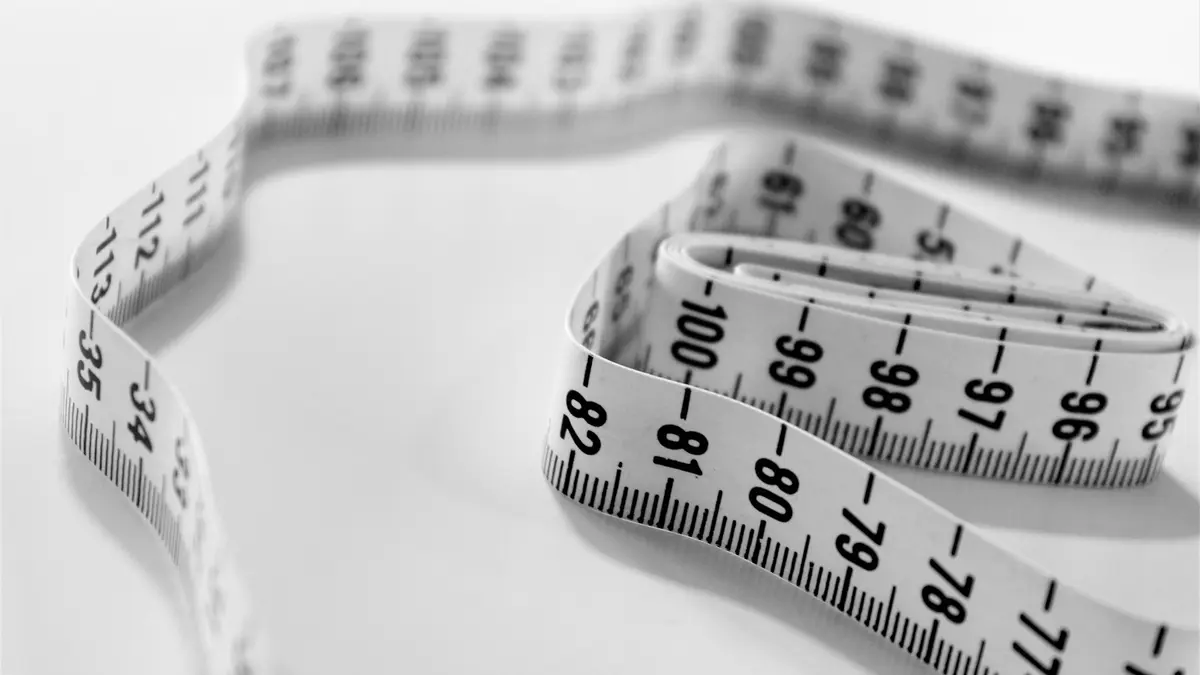
Measurements should be taken over light clothing, with the tape held level and without excessive tension. For fitted styles, the bust and hip are usually the most critical checkpoints; for salwars, waist adjustability and hip ease are especially important.
Kurti Measurement Size Chart
A kurti chart should separately identify body measurements and finished measurements. This distinction is important because a straight kurti, A-line kurti and flared kurti can have very different finished hip and hem measurements even when assigned the same size label.
| Measurement point | Measurement purpose |
|---|---|
| Bust | Determines chest fit and wearing ease. |
| Waist | Important for shaped, semi-fitted and princess-line kurtis. |
| Hip | Critical for straight or fitted styles extending below the hip. |
| Shoulder | Affects neckline position, armhole balance and sleeve placement. |
| Sleeve length and bicep | Determines sleeve fit and mobility. |
| Kurti length | Defines whether the garment is short, hip length, knee length or longer. |
| Hem circumference | Important for A-line, flared and long silhouettes. |
Always use the current seller or manufacturer chart for numerical values. A quality specification should state the measuring method, tolerated variation and whether measurements are taken flat, around the garment or on a body form.
Common Salwar Kameez Colour Options
Salwar kameez is available in a wide range of colours. Common retail examples include blue, pink, orange, grey, yellow, white, off-white, sandal, cream, red, black and violet. Availability changes with season, dyeing capability, regional demand and fashion direction, so these colours should be treated as examples rather than a fixed market inventory.
Colour selection should also consider fabric opacity, embellishment contrast and end use. White, cream and off-white fabrics may need lining or suitable underlayers. Dark colours can visually reduce the prominence of seam lines and may provide strong contrast for metallic embroidery. Bright shades can support festive styling, while muted neutrals are frequently used for workwear and versatile separates.
Neckline Designs for Kameez and Kurtis
Necklines influence garment identity, wearer comfort and construction complexity. Shape names should be distinguished from collars, plackets and decorative treatments.
Source: Unsplash
Common neckline shapes include V-neck, square neck, scoop neck, boat neck, round neck, U-neck, sweetheart neck, halter neck, keyhole neck, cape-style neck and strapless styling. Some of these are more common in occasionwear than in traditional daily-wear kameez. Strapless designs, for example, require internal support and are not a standard feature of all salwar kameez categories.
Collar and high-neck options include mandarin collars, Peter Pan collars, jewel necks, front-high necks and collar-with-V-neck combinations. A jewel neck is a close, rounded neckline; a mandarin collar is a short stand collar; and a Peter Pan collar is a flat, rounded collar treatment.
Decorative or construction-related treatments include embroidered necklines, Dori ties, piping, piped plackets, Angrakha-style wrap openings and illusion necklines. Other fashion descriptors include asymmetrical necklines, one-shoulder styles, Queen Anne necklines, pot necks, cowl necks and closed-neck designs. These terms may vary between brands, so technical drawings and sample approvals are important for consistent production.
Notable Indian Salwar Kameez Brands in 2021
The following names were associated with Indian ethnicwear or women’s fashion retail in 2021 and were commonly referenced in discussions of salwar kameez and related apparel: Sangria, Aks, W for Woman, Aum, Biba, Fabindia, Libas, Global Desi and Soch.
This is not an objective ranking and should not be interpreted as a current list of the “best” brands. Product ranges, retail channels, pricing and availability change over time. For market research or sourcing work, verify whether a brand currently offers the relevant product category, size range, material composition and delivery market.
Why Salwar Kameez Remains Widely Accepted
Salwar kameez remains widely used because it can combine visual variety with practical comfort. The same garment system can be made loose or fitted, minimal or ornate, short or floor length, and suitable for casual, professional, festive or formal settings. Its modular nature also allows wearers to change the salwar, kameez or dupatta independently to create different looks.
The garment’s continued relevance is supported by adaptable construction, broad fabric choice and the ability to incorporate regional dress influences without requiring a single uniform style. A cotton straight-cut suit may prioritize washability and movement, while an embroidered Anarkali can prioritize drape and ceremonial appearance. In both cases, successful design depends on matching fabric, fit, pattern engineering and decoration to the intended wearer and occasion.
Although the salwar, kameez and dupatta are often described together as the classic ensemble, contemporary styling may use only the kameez and trousers or substitute a different scarf, jacket or outer layer. This flexibility helps explain the garment’s sustained place in women’s apparel wardrobes and fashion collections.