How Should You Sew a Loose-Weave Tweed Fabric Without Distorting It?
Table of Contents
Loose-weave tweed should be treated as a fabric that can change shape while you work. The safest approach is to test its behavior first, keep every piece supported and flat, use generous seam allowances, stabilize stress-prone areas, and avoid pulling the fabric through the machine or across the ironing board.
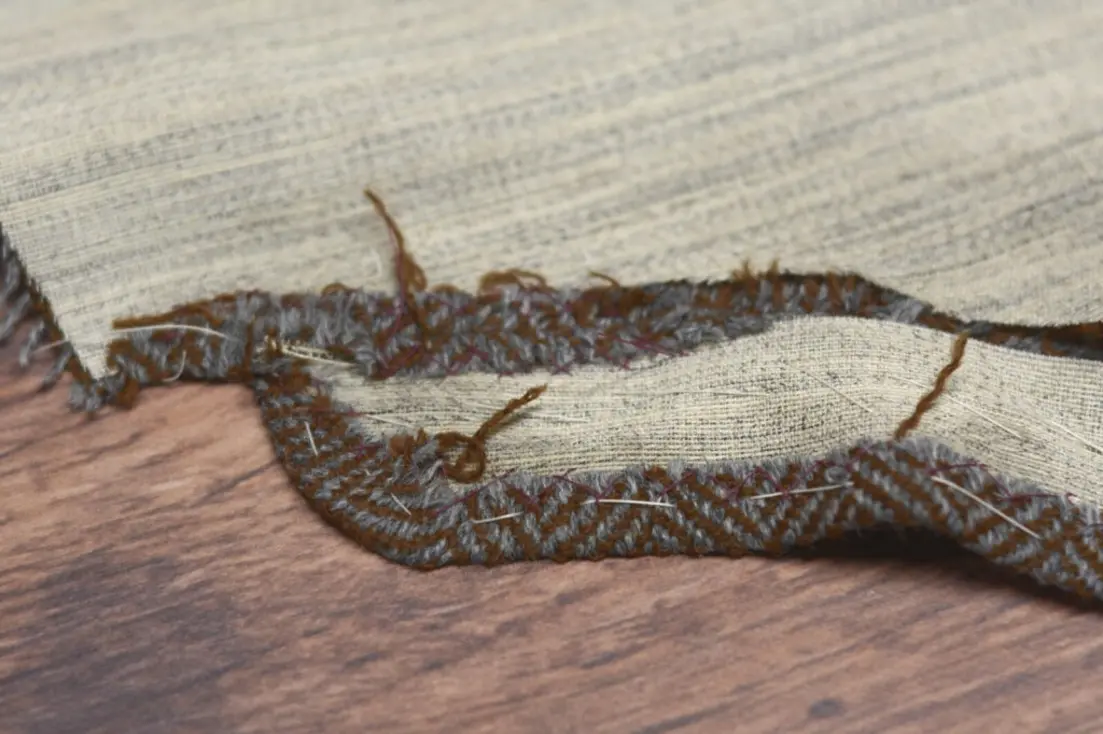
For sewing loose weave tweed, do not rely on the cut edge to stay intact or assume that a seemingly stable straight grain will protect every shaped edge. A loose tweed can shed yarns at the seam allowance, stretch on the bias, and become inaccurate after only a little handling. Build stability into the preparation and construction process before those problems reach the fitting stage.
Start with swatches, not the garment pieces
Before cutting limited or expensive yardage, make several swatches from the same areas of fabric that will be used for the garment. Include a straight-grain edge, a bias edge, and any especially open, slubby, or decorative part of the weave.
Use the swatches to check:
- Whether the fabric changes after the intended care method.
- How much yarn is lost from a raw edge.
- Whether a fusible interfacing bonds cleanly without flattening, staining, or changing the face of the tweed.
- Whether a sew-in support gives enough stability without making the garment too stiff.
- How the fabric feeds with your machine, needle, thread, stitch length, and presser foot.
- How seam finishes affect bulk and appearance.
Follow the fabric supplier’s care guidance. With wool-rich or textured bouclé-style tweeds, steaming or professional dry cleaning may be gentler than washing, while handling during any pre-treatment should remain minimal. A guide from Simplicity similarly advises considering dry cleaning or steaming when washing could harm the cloth’s texture.
Let the fabric rest flat after pre-treatment. Do not hang it over a chair, drape it from a table, or begin cutting while it is still damp or warm from steam.
Perfect the fit before cutting the tweed
A toile is especially valuable when yardage is tight. Make and fit a test garment in a fabric with similar weight and drape, then transfer adjustments to the final pattern. This reduces the chance that you will need to recut a tweed piece after fitting.
Linton Tweed also recommends making a toile before cutting tweed, particularly because the final fabric may be costly and pattern adjustments can consume scarce yardage. Keep the approved pattern intact and check that all adjustments are transferred consistently before layout.
If the tweed has checks, stripes, or a distinct woven direction, decide early where matching matters most: center fronts, lapels, pockets, side seams, or sleeve joins. A loosely woven check can shift enough that matching after the pieces are cut becomes difficult.
Choose a stabilization strategy before layout
There is no single stabilization method that suits every loose-weave tweed. Choose the least intrusive option that keeps your particular cloth stable enough for the planned garment.
Use full-piece interfacing for very unstable fabric
If the fabric rapidly loses yarns, distorts under light handling, or cannot hold a clean cut edge, applying a compatible lightweight interfacing to the full pattern pieces may be the most practical solution. This can make cutting and seam construction more manageable and can support a softly tailored jacket or skirt.
Test first. Some fusibles can alter the surface, make a lofty tweed look flat, or cause adhesive to show through an open weave. If the swatch is successful, fuse with care and avoid moving the iron back and forth, which can distort the cloth. Lift and press instead.
Use targeted support when you want to retain softness
For a softer construction, stabilize only the edges and areas that need it: necklines, armholes, shoulder seams, front edges, pocket openings, waistlines, and zipper areas. A lightweight sewn-in support or a suitable narrow tape can reinforce these locations without changing the whole garment.
Linton Tweed specifically recommends stabilizing areas such as front edges, shoulder seams, and necklines because loose tweed can stretch during handling and pressing. If a shaped edge is on the bias, stabilize it before it has an opportunity to grow.
Secure raw edges when yarn loss is the main problem
A wide zigzag, overlock stitch, or carefully applied edge stabilizer can control fraying at the outer cut edges. Simplicity’s guidance on bouclé tweed notes that overlocking or zigzagging raw edges can help prevent unraveling.
However, do not automatically run every piece through a serger. On a very open or bulky tweed, an aggressive overlock can pull the edge, chew up decorative yarns, or add unnecessary bulk. Test the finish on a scrap first. A narrow strip of lightweight fusible at a vulnerable edge may be cleaner than stitching directly over a fragile weave.
Lay out and cut without shifting the cloth
Source: mellysews
Spread the tweed on a large, flat surface and keep it fully supported. Avoid letting any portion hang off the table, especially if it stretches on the bias. Smooth it gently into place; do not tug it until it appears square.
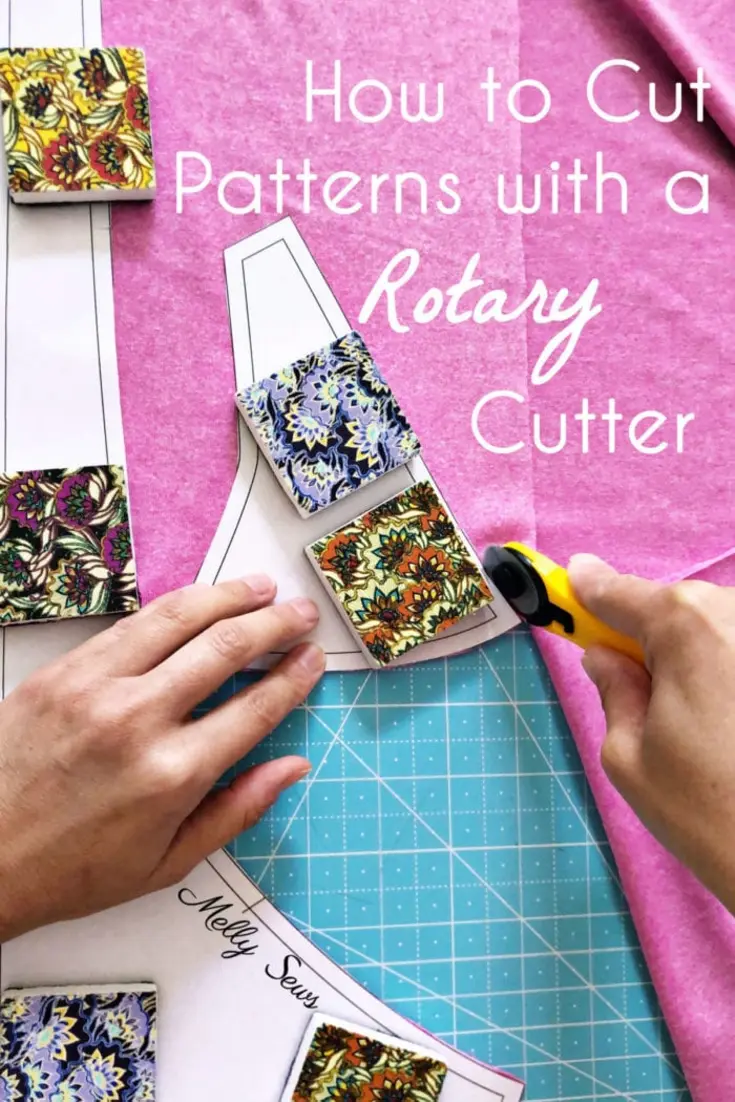
Cut one layer at a time when accuracy or pattern matching matters. Single-layer cutting lets you align each pattern piece with the grain and visible design rather than trusting folded fabric to remain perfectly aligned. Use sharp shears or a sharp rotary blade, and replace dull blades rather than forcing them through textured yarns.
Use pattern weights wherever possible. Pins can be useful, but excessive pinning may distort a loose weave or leave holes in delicate fibers. If you pin, place pins well inside the seam allowance where practical and keep the piece flat as you work.
Add a wider seam allowance than the pattern’s minimum when the design permits. Extra allowance provides a buffer against yarn loss, makes fitting adjustments safer, and gives you room to grade bulky seams later. It is particularly helpful when the fabric begins to fray before the seam is fully enclosed.
Mark the pattern with thread tracing
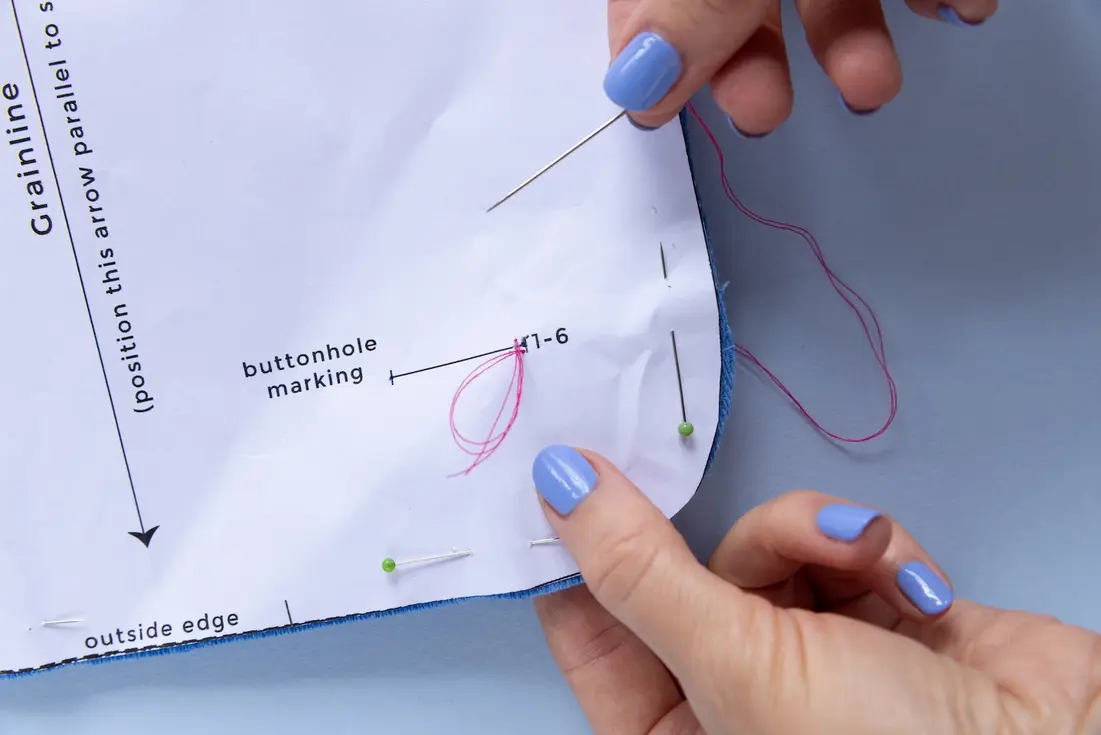
Chalk and temporary markings can disappear into textured tweed, while pins alone can shift or fall out. Thread tracing is a reliable choice when you need visible, durable markings without repeatedly handling the fabric.
Source: cdn.shopify
Use a conspicuous, smooth thread in a color that is easy to see from both sides. Hand-baste along seam lines, key placement lines, darts, pocket outlines, and match points. Keep the stitches loose enough that they do not draw up the fabric. Do not use a thread that might snag or bleed if it will remain in the fabric during pressing.
A discussion in r/sewing describes a user working with limited yardage of loosely woven tweed that had considerable bias stretch but little straight- or cross-grain stretch. In the supplied discussion excerpt, a contributor recommended thread tracing with a highly visible thread when avoiding full fusible stabilization. That is a useful reminder that markings should remain dependable even if the raw edges become fragile.
Sew seams with minimal drag
Use a new needle appropriate to the fabric’s thickness and test for skipped stitches, yarn damage, or puckering. A universal or Microtex needle may work depending on the fibers and weave, but the test swatch should decide. Strong all-purpose polyester thread is commonly used for garment seams, provided it suits the garment’s weight and the test seam performs well.
A walking foot can help feed the upper and lower layers evenly. This matters when one layer of tweed creeps ahead of the other or when the seam crosses a bias area. Simplicity also notes that a walking foot and a somewhat longer stitch can help manage textured bouclé tweed.
Sew with the fabric supported on the machine bed. Let the feed dogs move the fabric instead of pulling from behind the presser foot. Pulling can stretch a bias edge, shift the seam line, or create a wavy seam that cannot be fully corrected with pressing.
At the start and finish of a seam, secure stitching in a way that does not create a dense knot of thread in a bulky fabric. If backstitching makes the area thick or unstable, tie thread tails by hand where appropriate.
Finish seams without creating bulk
Press seams open when the fabric allows it, using a press cloth and lifting the iron rather than sliding it. Open seams generally reduce bulk in tweed garments, especially around side seams, princess seams, and sleeves.
Choose a seam finish based on the fabric’s fraying level and garment construction:
- Use a tested zigzag or overlock finish when it controls yarn loss without compressing the edge.
- Bind seam allowances when a clean interior is important and the added layer will not make the seam too thick.
- Consider lining a jacket, skirt, or dress to protect the interior and reduce abrasion against exposed seam allowances.
- Grade seam allowances only after confirming that the seam is secure and that trimming will not release yarns from the stitching line.
Avoid trimming close to the seam simply because the garment looks bulky. Loose tweed needs enough allowance beyond the stitching to remain secure. If bulk is a concern, distribute it through grading, selective clipping of curved allowances, and careful pressing rather than cutting away too much fabric.
Handle bias edges as permanent risk areas
A loose weave with noticeable bias stretch can distort at armholes, necklines, curved lapels, and any diagonal seam. Stabilize these edges early, keep them flat between work sessions, and avoid hanging unfinished garment sections. Do not let a partly assembled bodice or jacket front dangle from a dress form for long periods before its lining, facing, or internal supports are installed.
The finished garment should be shaped by its seams, interfacing or interlining, and lining—not by stretched fabric that has been pressed back into submission. With loose tweed, prevention is more dependable than correction.
The central rule is simple: secure the fabric before it frays or stretches, then handle it as little as possible. Careful swatching, thread-traced markings, generous allowances, controlled cutting, and gentle seam handling allow a loose-weave tweed to retain the texture and character that made it worth sewing in the first place.
References
- How to Sew a Tweed or Boucle Jacket: Expert Guide 2026. moresewing.co.uk. https://moresewing.co.uk/how-to-sew-a-tweed-or-boucle-jacket
- TIPS for PREPARING bouclé (loosely woven tweed fabrics). Last .... instagram.com. https://www.instagram.com/reel/CSBvdQ4la48?hl=en
- How to Sew with Boucle Tweed - Simplicity.com. simplicity.com. https://simplicity.com/blog/sewing-with-boucle-tweed
- How to Sew Tweed Fabric Without Stretching or Fraying | TikTok. tiktok.com. https://www.tiktok.com/@fabrics.in.oshodi/video/7608900230259412246
- 8 Beginner Tweed Sewing Tips | Linton Tweed. lintontweeds.com. https://lintontweeds.com/us/news/tweed-sewing-tips-for-beginners-advice-for-starting-your-first-crafting-project
- Keeping the Cut Edges From Unraveling. youtube.com. https://www.youtube.com/watch?v=-T4yJk7Tv7k
- How to Sew with Tweed Fabric | Tips for Sewing with Tweed | Edge Finishing & Fabric Prep. youtube.com. https://www.youtube.com/watch?v=6z5F9pxV8hs
- How to prevent weave from unraveling when cutting - Facebook. facebook.com. https://www.facebook.com/groups/151314337083952/posts/1265836622298379