What Makes a Handmade Synthetic-Yarn Project Different From Fast Fashion?
Table of Contents
A handmade item made with acrylic, polyester, nylon, or another synthetic yarn is not automatically fast fashion. Fast fashion describes a production-and-consumption model: high volumes of low-cost, trend-led clothing made for rapid turnover and often short use. A single handmade sweater, hat, blanket, or toy does not fit that model simply because its yarn is synthetic.
That does not mean the fiber choice has no environmental consequences. Synthetic yarn is generally fossil-fuel-based, does not biodegrade like natural fibers, and can release plastic microfibres during use and washing. The more useful question is not “Is synthetic yarn fast fashion?” but “Will this project be used for a long time, cared for well, repaired when possible, and made in an amount I genuinely need?”
Fast fashion is a system, not a fiber label
Synthetic fibers are strongly associated with fast fashion because polyester, acrylic, and nylon can be inexpensive, versatile, and easy to manufacture at scale. But association is not the same as definition. Fast fashion is driven by frequent product launches, large production volumes, low prices, short trend cycles, and a pattern of buying and discarding clothing quickly.
Natural fibers can also be used in fast-fashion systems. A cheaply made cotton shirt that is worn a few times and thrown away is still part of a disposable model. Conversely, a carefully planned acrylic cardigan that is worn for years, mended when needed, and kept out of the waste stream for as long as possible has a very different use pattern from a mass-produced impulse purchase.
This distinction matters because reducing overproduction and extending garment life are central ways to reduce fashion’s overall impacts. Fiber content is one part of the picture, alongside how much is produced, how long it stays useful, and what happens at the end of its life.
Synthetic yarn has real tradeoffs
Acrylic and polyester yarn can be practical choices. They are often affordable, widely available, lightweight, colorfast, and easy to care for. Polyester yarn durability can be useful for items that need strength or frequent handling, while acrylic may be a workable option for projects where wool is unaffordable, unsuitable, or likely to cause sensitivity.
However, synthetic yarn comes with environmental limitations:
- Most common synthetic fibers are derived from fossil-fuel feedstocks.
- They do not readily biodegrade after disposal.
- They can shed tiny plastic fibers, often called microfibres, during washing and wear.
- Their recycling is difficult in practice, especially when garments combine multiple fibers, trims, dyes, and finishes.
The United Nations Environment Programme notes that polyester, acrylic, and nylon fabrics can shed plastic microfibres when washed. It also identifies fabric construction and fiber length as factors that influence how many fibers break free. That means the yarn label alone cannot predict exactly how a particular handmade project will perform or shed.
A concern raised in a Reddit discussion about synthetic yarn and fast fashion was that acrylic and polyester may look worn after only a few washes. That is a reasonable concern to investigate before committing to a project, but it is an anecdotal observation rather than proof that every synthetic yarn will wear out quickly. Yarn quality, twist, construction, stitch pattern, friction, and laundry habits can all affect pilling and appearance.
The lifespan of the project changes the answer
A handmade garment has environmental value when it replaces repeated purchases and remains in use. The goal is not perfection; it is to avoid turning a well-intentioned craft into another source of surplus textiles.
Before buying yarn, consider the likely lifespan of the finished item.
Make something the recipient will actually use
A sweater in an uncomfortable shape, a scratchy scarf, or a novelty item that does not fit anyone’s lifestyle may be technically well made but still become clutter. Choose a project that suits the climate, recipient, and intended purpose.
For example, a washable synthetic yarn may be sensible for a child’s frequently used blanket, a pet accessory, or a hard-wearing item that needs easy laundering. For a special garment intended to last for decades, a different fiber or a more durable yarn construction may better match the goal.
Match yarn to friction and stress
High-friction areas tend to reveal pilling and abrasion sooner. Underarms, cuffs, elbows, bag straps, and areas that rub against outerwear can all be demanding. A loosely spun, fuzzy yarn may be less suitable for these locations than a smoother, more firmly constructed yarn.
Swatching is useful here. Make a sample, wash it as you expect to wash the final object, and rub it gently between your hands or against clothing to see how the surface changes. This is not a laboratory durability test, but it can help identify obvious issues before many hours of making are invested.
Build repairability into the design
Repairability separates a lasting handmade object from a disposable one. Save a small amount of leftover yarn with the project notes. Use seams and constructions that can be accessed if needed. Learn basic mending techniques for loose ends, small holes, seam failures, and worn edges.
Not every synthetic yarn can be invisibly repaired, especially fuzzy or highly textured varieties, but visible mending can still extend an item’s life. A project that can be fixed is less likely to be discarded after minor damage.
Source: images.squarespace-cdn
Washing is a major part of handmade clothing environmental impact
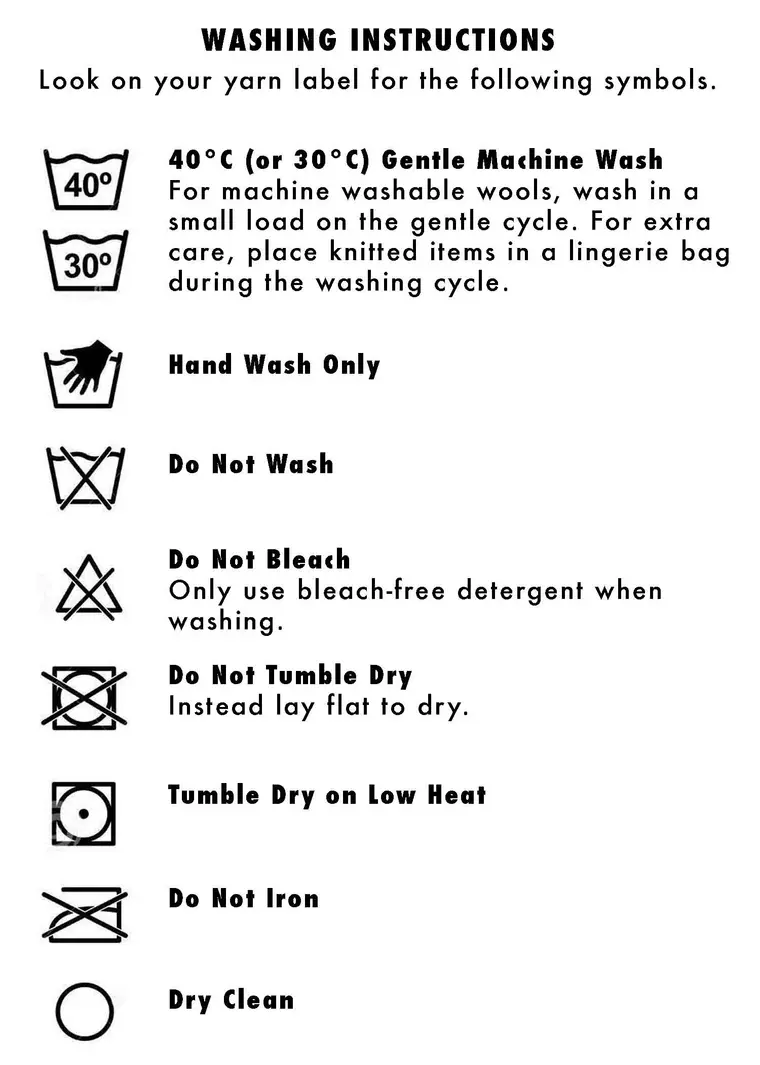
Synthetic microfibres are released throughout a textile’s life, but laundering is an important release point. Washing also affects the appearance and lifespan of handmade knit and crochet projects. Repeated aggressive washing can increase friction, encourage pilling, and stress fibers and stitches.
For washable synthetic handmade items, practical lower-impact care includes:
- Wash only when the item genuinely needs it rather than after every brief wear.
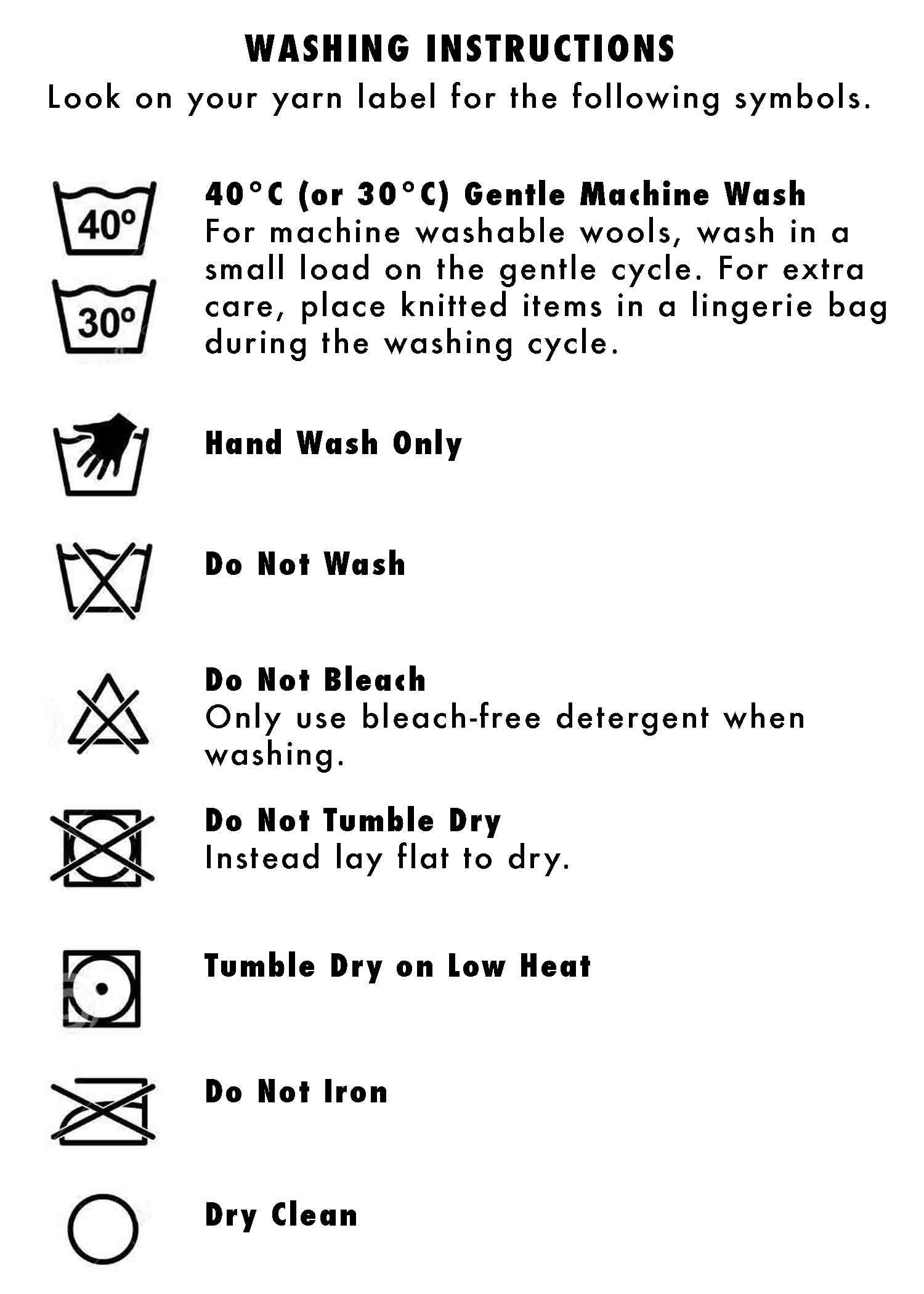
- Follow the yarn label’s care guidance where available.
- Use cooler, gentler wash settings when appropriate for the item.
- Avoid overloading the machine, which can increase abrasion between garments.
- Air-dry when practical rather than relying on high-heat drying.
- Consider a purpose-made microfiber-catching device or filter where available, while recognizing that these tools reduce rather than eliminate fiber release.
These steps are not a complete solution to microfiber pollution. The larger responsibility also belongs with fiber producers, textile manufacturers, washing-machine makers, wastewater systems, and brands that decide what gets made at scale. Still, careful use can help a handmade item last longer and may reduce unnecessary shedding caused by harsh treatment.
Acrylic yarn sustainability depends partly on how much you buy
Acrylic yarn sustainability is not determined only by whether a skein is labeled acrylic, recycled, premium, or budget. Purchasing volume matters. Buying far more yarn than a maker can realistically use creates its own surplus, even when each skein was chosen with good intentions.
A lower-waste approach is to buy for a specific plan, check yardage carefully, and use existing yarn before adding more. Leftovers can become stripes, trims, repairs, small accessories, stuffing for appropriate projects, or shared supplies for other makers. Avoid treating every leftover as a reason to start another project unless there is a real use for it.
It is also worth questioning whether a project needs to be new at all. Repairing an existing sweater, altering an unloved garment, or using yarn already in your stash can prevent another unused object from entering circulation.
Quality is broader than “synthetic” or “natural”
It is tempting to divide yarn into good natural fibers and bad synthetic fibers. In reality, both categories include a wide range of quality, performance, price, and environmental tradeoffs.
A durable, well-used polyester yarn project may provide more service than a poorly chosen natural-fiber project that shrinks, felts, tears, or sits unworn. At the same time, a long lifespan does not erase the fossil-fuel origin or microfiber concerns of synthetic fibers. The responsible choice is usually the one that best balances function, longevity, care requirements, and the likelihood of regular use.
For a project that must tolerate frequent washing, synthetic yarn may be the most realistic option. For an item where breathability, odor resistance, or eventual biodegradability matter more, a natural-fiber yarn may be preferable. Blends can also offer useful performance, although mixed-fiber textiles may be harder to recycle.
A better way to judge your next project
Instead of asking whether synthetic yarn automatically makes a project fast fashion, assess the whole project:
- Am I making this because it will be used, or because I feel pressure to make more?
- Is the yarn suitable for the item’s real conditions of use?
- Will the object still be wanted after the trend or season passes?
- Can it be washed, repaired, and stored in ways that support a long life?
- Am I buying only the yarn I need?
- Could I use yarn already owned, repair something existing, or choose a pattern with fewer leftovers?
A handmade synthetic-yarn project is most clearly different from fast fashion when it is intentional rather than excessive, useful rather than disposable, and cared for rather than quickly replaced. Synthetic fibers still deserve thoughtful handling because of their fossil-fuel basis and microfibre shedding. But making one durable, loved item for long-term use is not the same thing as participating in a high-volume, throwaway fashion system.
References
- Fast fashion - Wikipedia. en.wikipedia.org. https://en.wikipedia.org/wiki/Fast_fashion
- What Is Fast Fashion | Vogue. vogue.com. https://www.vogue.com/article/what-is-fast-fashion
- Our clothes shed microfibres – here’s what we can do… : Fashion Revolution. fashionrevolution.org. https://www.fashionrevolution.org/our-clothes-shed-microfibres-heres-what-we-can-do
- Fast fashion | Brands, Environmental Impact, Definition, Companies, History, & Facts | Britannica. britannica.com. https://www.britannica.com/art/fast-fashion
- Fashion’s tiny hidden secret. unep.org. https://www.unep.org/en/news-and-stories/story/fashions-tiny-hidden-secret
- Fast fashion’s addiction to synthetic fibres | Ethical Consumer. ethicalconsumer.org. https://www.ethicalconsumer.org/fashion-clothing/fast-fashions-addiction-synthetic-fibres
- What can knitters and crocheters do about synthetic fiber pollution?. mushrump.com. https://mushrump.com/2017/04/22/what-can-knitters-and-crocheters-do-about-synthetic-fiber-pollution
- The Hidden Costs of Acrylic Yarn: Environmental Impact and Ethical .... medium.com. https://medium.com/@ashleighellankavanagh/the-hidden-costs-of-acrylic-yarn-environmental-impact-and-ethical-considerations-in-knitting-a1d322fd1dc9