What Are the Downsides of Tencel Fabric for Everyday Clothing?
Table of Contents
Tencel fabric has real advantages, but it is not automatically the best choice for every everyday garment. The main Tencel fabric downsides are its fluid structure, potentially limited shape recovery in some constructions, sensitivity to surface abrasion, a higher price than basic cotton or polyester, and care requirements that depend heavily on the finished fabric.
For soft shirts, dresses, blouses, sleepwear, lightweight pants, and smooth base layers, Tencel lyocell can be an excellent option. For garments expected to stay crisp, resist heavy rubbing, provide firm support, or survive rough use with minimal care, the fabric construction and blend matter more than the Tencel name alone.
Tencel is plant-based, but it is processed fiber
TENCEL™ is a brand name used for fibers including lyocell. Lyocell begins with wood-based cellulose, so its original raw material is plant matter rather than petroleum-based plastic. However, wood pulp must be dissolved and regenerated into textile fiber. That makes lyocell a regenerated cellulose fiber, often described as a semi-synthetic fiber.
This distinction is useful for shoppers. Tencel is not a raw natural fiber in the same sense as cotton, linen, or wool, which are mechanically processed from plants or animals. Nor is it the same as polyester, nylon, or acrylic, which are generally fossil-based synthetic polymers.
The manufacturing route is part of why branded TENCEL™ Lyocell has a strong sustainability reputation. Its solvent-spinning process is associated with recovering and reusing most process solvent and water. One sourcing guide describes a solvent recovery rate above 99.8 percent for TENCEL™ Lyocell production. Still, a closed-loop process does not mean a garment has no environmental impact. Wood sourcing, energy use, dyeing, finishing, transport, garment construction, and product lifespan all affect the final footprint.
The biggest practical downside: soft drape can mean less structure
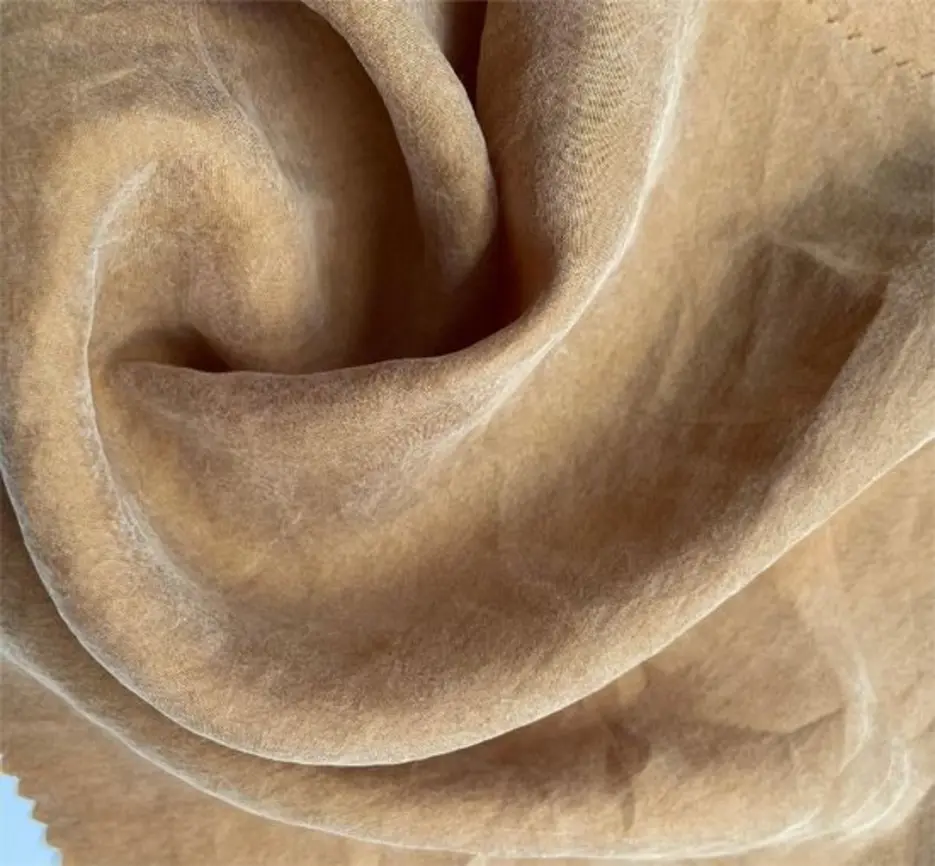
Lyocell is often chosen because it feels smooth, falls gracefully, and can have a refined, almost silky hand. Those same characteristics can work against garments that need stiffness or firm body.
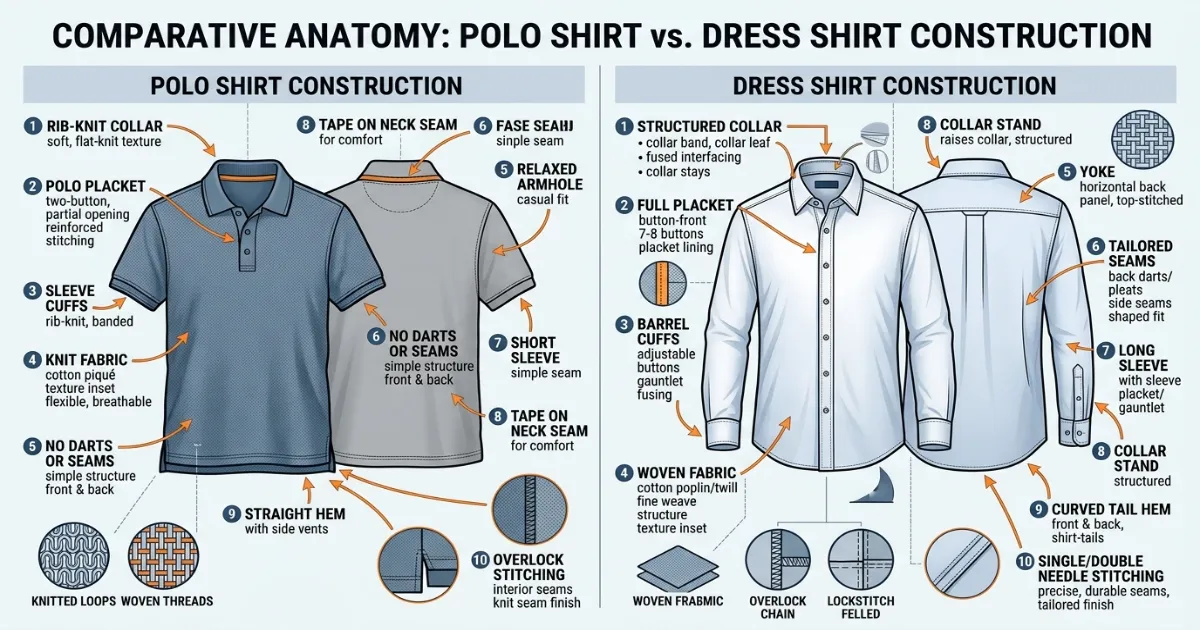
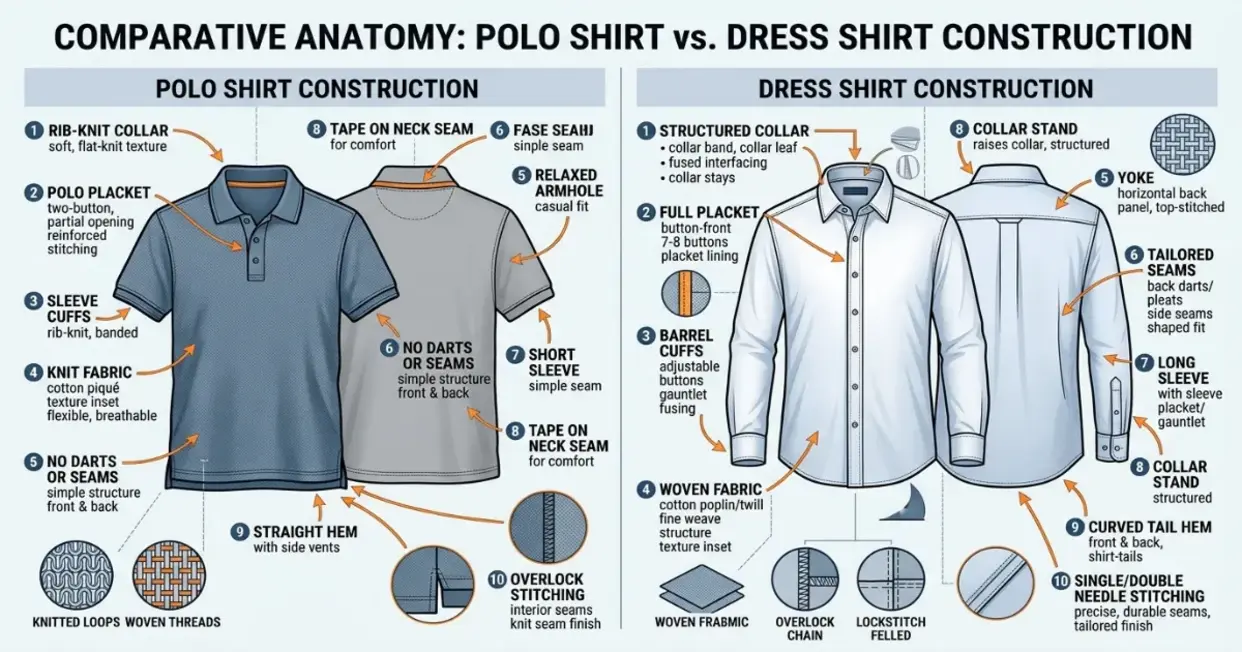
A Tencel woven blouse may hang beautifully. A relaxed overshirt may feel comfortable and breathable. But a sharply tailored shirt, a crisp uniform-style garment, or a piece requiring a sculpted silhouette may need a firmer weave, heavier weight, interfacing, or another fiber in the blend.
Source: eassonapparel
The important point is that Tencel fabric structure is not determined by fiber content alone. A dense woven lyocell fabric can behave very differently from a lightweight jersey knit. Yarn twist, fabric weight, weave or knit construction, finishing, seams, and garment pattern all contribute to how much body the final item has.
A discussion in the supplied Reddit thread illustrates this concern: one commenter described sleeves on long-sleeved Tencel tops becoming longer over time and found some Tencel garments insufficiently structured for their preferences. That is a personal wear report, not a universal result, but it highlights a legitimate buying question: does this particular garment have enough recovery and structure for where it will be stressed?
Tencel stretching is often a garment-construction issue
Tencel is not usually selected as a high-stretch fiber. When a label lists lyocell with elastane or spandex, the elastane provides most of the deliberate stretch and recovery. A garment containing 2 percent elastane, for example, may feel more flexible, but its ability to return to shape still depends on fabric construction and fit.
Stretching concerns are most relevant in lightweight knit garments and high-stress areas such as cuffs, sleeves, knees, elbows, necklines, waistbands, and seat areas. Repeated pulling, hanging weight, wet handling, and aggressive laundering can all contribute to distortion where the fabric or seams lack enough support.
This does not mean every lyocell T-shirt will stretch out. It means shoppers should not assume that a soft hand automatically equals strong recovery. Before buying, look for clues such as:
- A stable rib neckline and cuffs on knit tops
- Sufficient fabric weight for the garment’s intended use
- Reinforced seams in areas that take strain
- A blend with cotton, polyester, wool, or elastane when the use calls for more resilience
- A fit that is not already overly strained at the shoulders, elbows, hips, or knees
For a fitted long-sleeved top, a stable knit and a little elastane may be more important than choosing 100 percent lyocell. For a loose dress or flowing button-down, the low-structure drape may be exactly the point.
Lyocell can be strong, but abrasion is a separate question
It is easy to treat durability as one single property, but clothing durability includes tensile strength, tear resistance, pilling, surface abrasion, seam performance, dimensional stability, and colorfastness. A fiber can perform well in one area and less well in another.
Available technical summaries describe lyocell as having good strength and stability, while noting that it can be less abrasion-resistant than many synthetic fibers unless the fabric is engineered for that use. Research comparing Tencel and cotton blends also indicates that results vary by construction: one study found a 50 percent Tencel/cotton knitted fabric had higher abrasion resistance than a 100 percent cotton fabric, while other reported comparisons observed lower abrasion resistance as Tencel content changed in particular fabric sets.
For shoppers, the practical lesson is simple: do not judge lyocell fabric durability by fiber name alone.
A thin, brushed, loosely knit Tencel jersey may show wear faster than a dense cotton jersey. A well-made lyocell-cotton blend may perform better than a lower-quality cotton garment. Polyester often remains the more practical choice for backpacks, workwear, high-friction activewear, and garments exposed to repeated rubbing from bags, seat belts, equipment, or rough outer layers.
If pilling or surface wear would frustrate you, inspect the fabric closely. Very soft, fuzzy, lightweight surfaces generally deserve more caution than tightly constructed, smooth fabrics. For high-use items, choose a retailer or brand that can provide information about shrinkage, pilling, dimensional stability, and laundering tests rather than relying solely on a sustainability claim.
Tencel may need more thoughtful laundering
Care labels always take priority because a garment’s dyes, finishes, lining, interfacing, and blend can change the right washing method. In general, gentle laundering, avoiding unnecessary high heat, and reducing friction can help preserve soft regenerated-cellulose fabrics.
The risk is not that Tencel is inherently fragile. The issue is that a soft fabric can lose its intended finish, distort, shrink, or develop surface wear when it is treated like heavy-duty athletic polyester or rugged denim. Overloading a washer, washing with abrasive items, using harsh cycles, or tumble-drying on excessive heat can be especially unhelpful for delicate knit and woven garments.
A good approach is to separate lightweight lyocell garments from rough items with zippers, hook-and-loop fasteners, or heavy hardware. Turn knits inside out when appropriate, follow the label’s temperature guidance, and reshape garments after washing if their care instructions allow it.
Price can be a meaningful disadvantage
Tencel lyocell commonly costs more than conventional cotton jersey or basic polyester fabric. The premium can reflect branded fiber sourcing, manufacturing, fabric development, and the material’s market position. That does not automatically mean the garment is better made.
A high-priced Tencel garment can still have weak seams, a too-light construction, poor finishing, or an impractical pattern. Conversely, a lyocell blend may provide a better balance of cost, durability, and comfort than a 100 percent Tencel item.
When comparing two garments, consider the entire specification: fiber percentages, fabric weight and construction, lining, stretch content, seam quality, care requirements, and intended use. “Tencel” on a hangtag is useful information, but it is not a complete quality rating.
When Tencel is a good choice—and when another fabric may be better
Choose Tencel lyocell when you want a breathable-feeling, smooth, soft fabric with fluid drape for lower- to moderate-abrasion everyday clothing. It is particularly suited to relaxed shirts, dresses, skirts, soft trousers, pajamas, underlayers, and warm-weather garments where comfort and drape matter more than crisp structure.
Consider a different fabric or blend when you need firm support, pronounced wrinkle resistance, rugged abrasion performance, strong shape retention, or a crisp tailored appearance. Cotton can offer familiar casual structure; linen can provide a drier, more textured feel; wool blends can add resilience and recovery; and synthetic blends can improve abrasion resistance and reduce care sensitivity for demanding use.
The best answer is not that Tencel is good or bad. It is a plant-derived regenerated fiber with useful comfort properties and genuine trade-offs. Buy it for softness and drape, assess the exact garment for recovery and construction, and do not expect it to perform like every other fabric simply because it comes from wood pulp.
References
- Lyocell Fabric vs Polyester: Wear and Tear Resistance. eureka.patsnap.com. https://eureka.patsnap.com/report-lyocell-fabric-vs-polyester-wear-and-tear-resistance
- How Durable Is Lyocell? Tensile Strength and Pilling .... regentech-fashion.com. https://www.regentech-fashion.com/blogs/fabric-insights/lyocell-durability-tensile-strength-pilling
- TENCEL Lyocell Fabric: Benefits, Uses, and Sourcing Tips. arcusag.com. https://www.arcusag.com/tencel-lyocell-fabric-benefits-uses-and-sourcing-tips
- Lyocell | Packaging Material Guide. sourceful.com. https://www.sourceful.com/explore/materials/lyocell
- 7 Tips For Choosing TENCEL Fabrics For Your Brand (2026). makersrow.com. https://makersrow.com/blog/tencel-fabrics-tips
- What is TENCEL™ Lyocell? Everything You Need to Know – Tripulse. tripulse.co. https://tripulse.co/blogs/news/what-is-tencel-lyocell
- Comparison of Mechanical and Thermal Comfort Properties of Tencel Blended with Regenerated Fibers and Cotton Woven Fabrics. academia.edu. https://www.academia.edu/86373437/Comparison_of_Mechanical_and_Thermal_Comfort_Properties_of_Tencel_Blended_with_Regenerated_Fibers_and_Cotton_Woven_Fabrics
- Influence of Tencel/cotton blends on knitted fabric .... sciencedirect.com. https://www.sciencedirect.com/science/article/pii/S1110016816300102