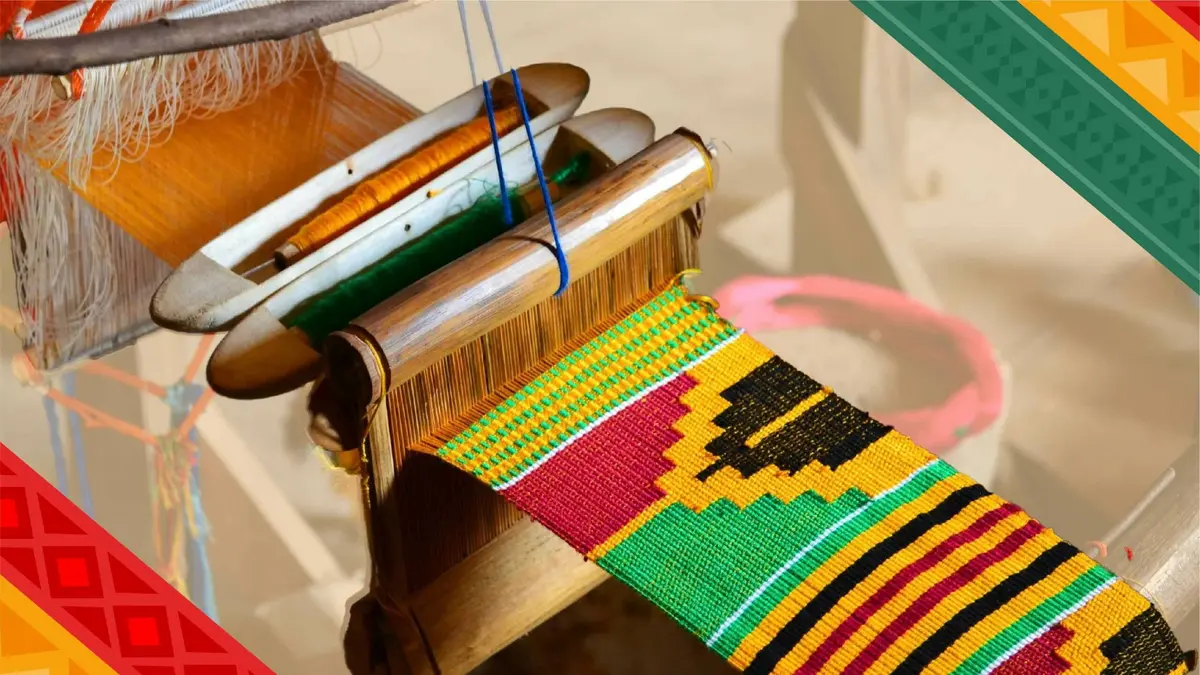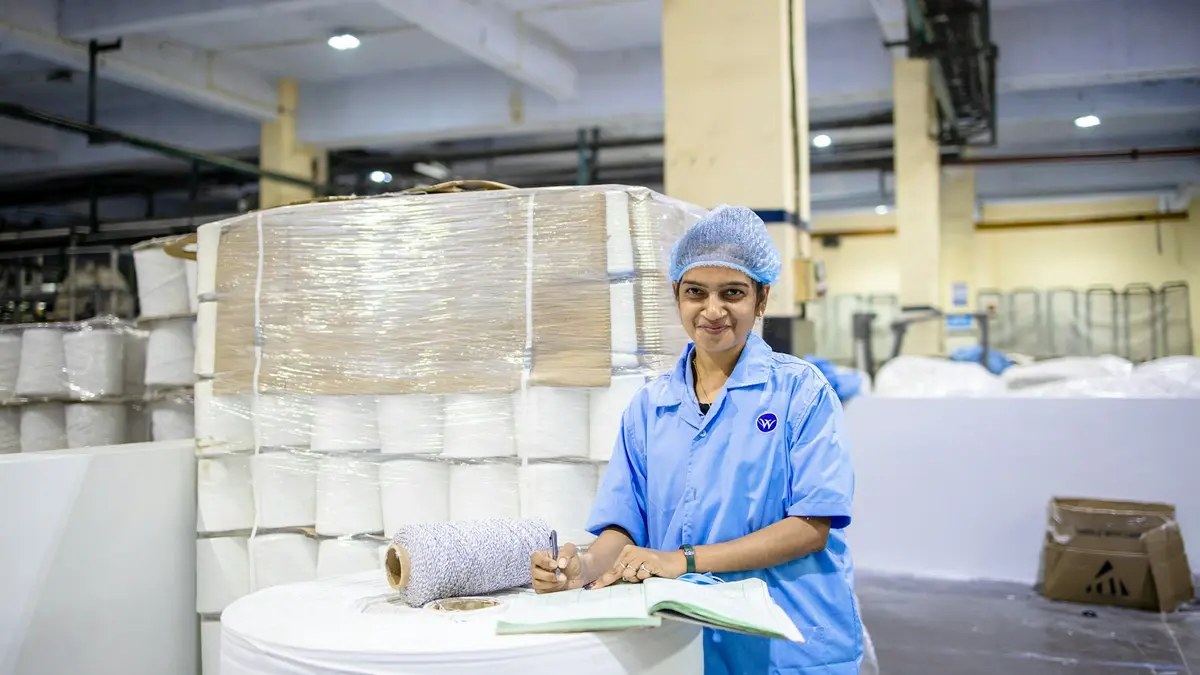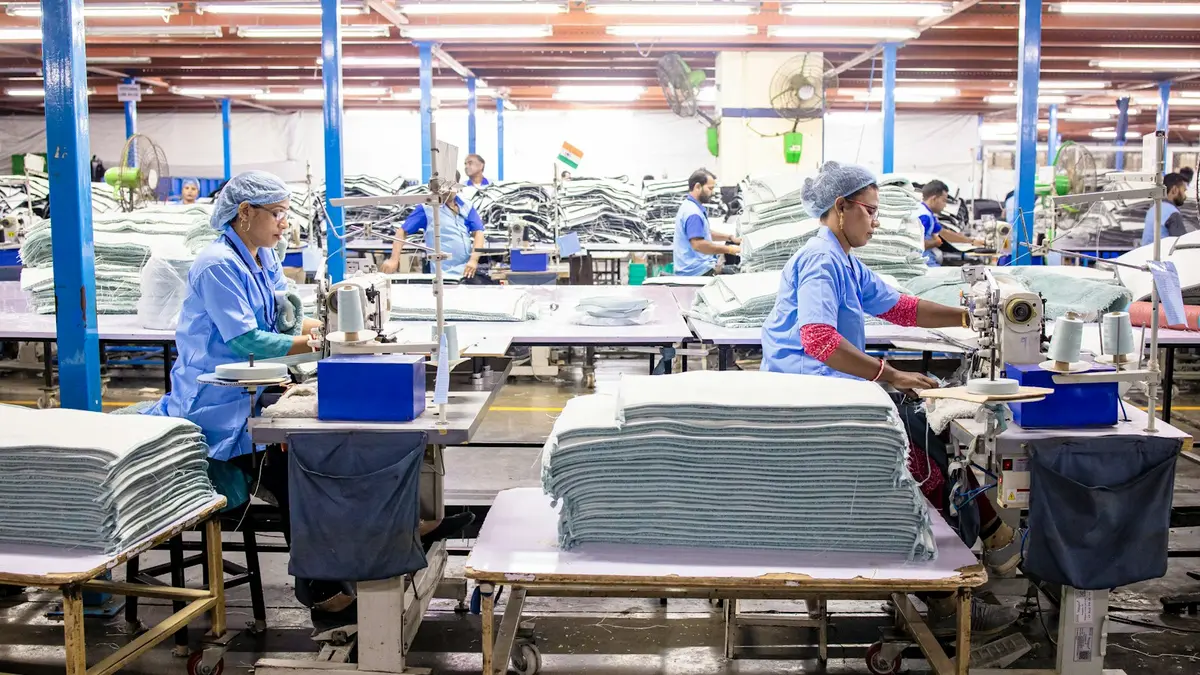
Textile Patents That Shaped Materials, Processes, and Smart Fabrics
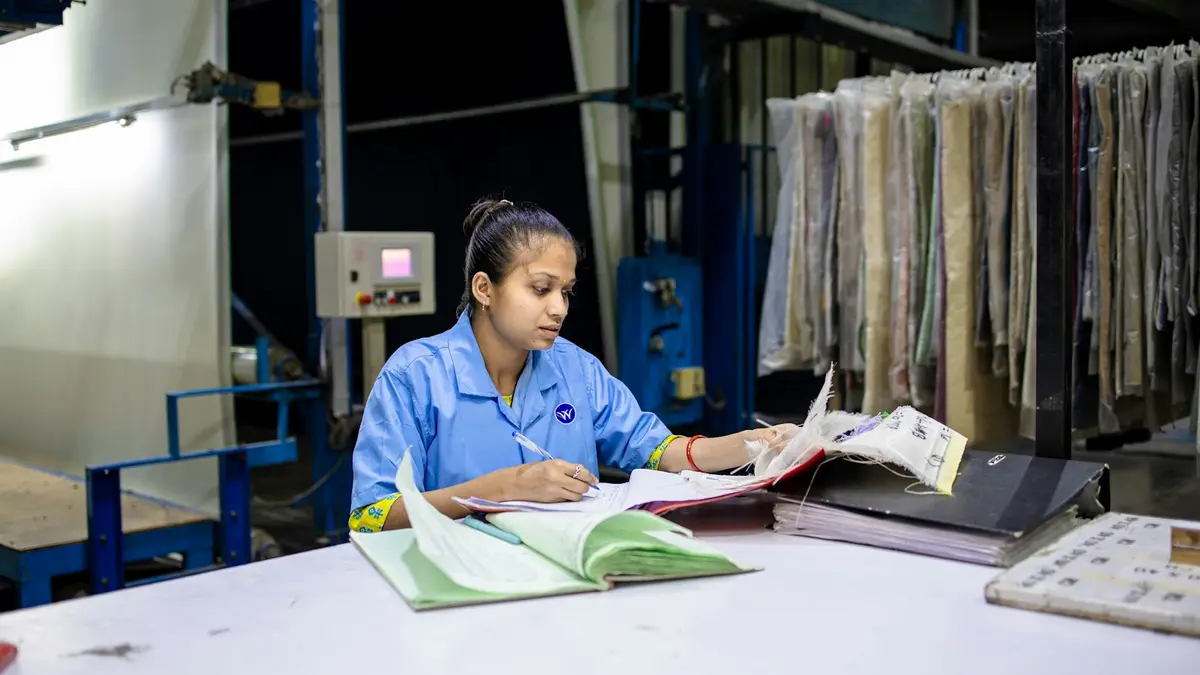
Table of Contents
Introduction to Textile Patents
Textile patents connect laboratory research, engineering development, and commercial protection. They can cover a new polymer, a yarn cross-section, a weaving mechanism, a fabric finish, a dyeing method, or an electronic system integrated into a garment. For textile businesses, a patent can turn a technical development into an asset that may support investment, licensing, product differentiation, or collaboration.
Patent activity now extends well beyond conventional spinning and weaving. Textile-related inventions include synthetic and bio-based fibers, coating systems, low-water coloration, recycled-material processing, wearable sensors, conductive yarns, and repairable structures. Designers, engineers, sourcing teams, researchers, students, and quality professionals benefit from understanding both the technical content of a patent and its legal limits.
How Textile Patent Protection Evolved
Textile machinery was central to industrialization, so spinning, carding, weaving, and power-transmission inventions became important subjects of early patent systems. During the Industrial Revolution, patents could protect mechanical arrangements that increased output, reduced labor, or improved repeatability in mills.
Eli Whitney’s cotton gin is frequently cited as an early textile-related example. Whitney received a United States patent for the cotton gin in 1794, although the invention primarily addressed cotton-seed separation rather than fabric manufacture itself. Its commercial and historical importance illustrates a continuing principle: upstream improvements in fiber preparation can reshape the entire textile value chain.
Modern textile patents often combine chemistry, machinery, data, and manufacturing control. A single product may involve protected polymer composition, filament geometry, knitting architecture, finishing chemistry, production equipment, and software used for inspection or process control.
What Can Be Patented in Textiles?
Potentially patentable textile subject matter includes fiber chemistry, fabric structures, textile machinery, functional finishes, wearable-electronics assemblies, and manufacturing processes. Examples may include biodegradable polymers, automated looms, protective coatings, sensor-integrated textile constructions, and coloration systems designed to reduce water use.
Patentability depends on the law of the relevant jurisdiction. In broad terms, an invention generally needs to be new, non-obvious or inventive, sufficiently disclosed, and capable of industrial application or utility. A concept alone is not enough: an application must describe the invention clearly enough for a skilled person to understand the claimed technical contribution.
The United States Patent and Trademark Office (USPTO) examines US patent applications. The European Patent Office (EPO) examines European patent applications under the European Patent Convention. The World Intellectual Property Organization (WIPO) administers the Patent Cooperation Treaty system and PATENTSCOPE, but WIPO does not itself grant a worldwide patent.
Landmark Patents in Textile Innovation
Landmark textile patents show how technical claims can influence material choices and product categories. Patent numbers are useful research starting points, but historical attribution, ownership, legal status, and claim scope should always be checked in an official database because assignments, expirations, family members, and later improvements may change the practical picture.
DuPont Nylon Patent: US Patent No. 2,130,948
US Patent No. 2,130,948 is titled Synthetic Fibers and is associated with Wallace H. Carothers and E. I. du Pont de Nemours and Company. Issued in 1938, it is commonly discussed in the history of nylon and polyamide-fiber development. Its importance lies in the development of fiber-forming synthetic polyamides rather than in every later nylon product sold under commercial names.
Nylon demonstrated that a manufactured polymer could be engineered into useful textile filaments. It became significant in hosiery and later supported wartime and civilian uses, including parachute-related applications, apparel, cords, and industrial textiles. Patent records should be read alongside technical histories because nylon development involved extensive research, processing knowledge, and later patent families.
Gore-Tex Waterproof-Breathable Membrane: US Patent No. 3,953,566
US Patent No. 3,953,566 is associated with Robert W. Gore and describes porous products made from expanded polytetrafluoroethylene, often abbreviated as ePTFE. The patent is a key reference point in the development of microporous fluoropolymer materials used in demanding technical applications.
An ePTFE membrane contains very small pores. In an appropriate laminated construction, liquid water is resisted while water vapor may pass through under suitable temperature and humidity conditions. Actual garment performance also depends on membrane design, seam sealing, face fabric, coatings, contamination, and wear conditions. ePTFE-based constructions have been used in apparel and technical sectors, including medical and protective-product applications.
Kevlar High-Strength Fiber: US Patent No. 3,819,587
US Patent No. 3,819,587 is commonly linked to DuPont’s para-aramid development and to inventor Stephanie Kwolek. It concerns poly(p-phenylene terephthalamide), a high-performance polymer associated with Kevlar-branded fiber technology. The bibliographic record and patent-family history should be reviewed when assessing the exact legal claims.
Para-aramid fibers are known for high tensile strength relative to their weight. Their use depends on construction and end-use requirements, but para-aramid reinforcements have appeared in ballistic-protection systems, tire reinforcement, ropes, composites, and industrial fabrics. Fiber strength alone does not determine product performance; fabric architecture, resin systems, layering, and test conditions remain critical.
Coolmax Moisture-Management Technology: US Patent No. 6,054,197
US Patent No. 6,054,197 is often cited in discussions of engineered textile fibers and moisture-management technology. Before relying on it for a legal or technical conclusion, users should confirm its title, assignee, claim language, and relationship to the COOLMAX brand in the USPTO record and related patent families.
The general technical principle is well established: altered filament cross-sections and capillary channels can influence how liquid moisture spreads through a fabric. This can increase surface area and support evaporation when garment design and environmental conditions are favorable. Moisture transport is therefore a fabric-system property, not a guarantee supplied by fiber geometry alone.
Unifi REPREVE Recycled Fiber Patents: US Patent Nos. 8,613,957 and 9,144,771
US Patent Nos. 8,613,957 and 9,144,771 are associated in industry discussion with recycled-polyester and traceability systems connected with Unifi and the REPREVE brand. Their exact titles, ownership, and enforceable claims should be checked directly in the USPTO database before being used in sourcing, licensing, or freedom-to-operate decisions.
Recycled PET textile systems can involve feedstock collection, sorting, cleaning, depolymerization or melt processing, extrusion, spinning, and yarn conversion. A brand’s recycled-content program may also include certification, tracking, or marketing components. These commercial systems should not automatically be treated as identical to the scope of one patent claim.
Emerging Textile Patent Areas to Monitor
Current textile patent activity increasingly addresses resource use, material circularity, electronics integration, and multifunctional performance. Many emerging technologies remain at pilot, research, or limited-commercial scale, so patent publication should not be interpreted as evidence of broad market availability.
Source: Unsplash
Mycelium-Based Leather Alternative Patents
Mycelium-based sheet materials are an active area of biomaterials research and patenting. Patent applications may address fungal growth methods, substrate selection, composite formation, densification, tanning-like finishing, coating, or end-product performance. Bolt Threads and Ecovative Design are frequently named in discussions of this field, but specific applications and granted patents should be assessed individually.
A mycelium material can be described as animal-free only when its complete formulation and processing inputs support that statement. Likewise, terms such as leather alternative, luxury-grade, durable, or biodegradable require product-specific evidence rather than assumptions based solely on the material category.
Water-Reducing Dyeing Technologies, Including DyeCoo and ColorZen
Textile coloration patents can focus on dye chemistry, polymer preparation, pre-treatment, machinery, fluid circulation, or color-fixation methods. Supercritical carbon dioxide dyeing is one route often described as avoiding process water in the dyeing stage for suitable materials, particularly some polyester applications. However, the wider manufacturing chain may still use water for preparation, cleaning, finishing, or other operations.
DyeCoo is associated with supercritical-carbon-dioxide dyeing technology, while ColorZen is associated with textile-treatment approaches intended to improve dye uptake and reduce resource use. Their patent portfolios, process conditions, applicable fibers, and environmental claims should be examined through primary patent records and current company documentation. “Waterless” and “water-reducing” should not be used interchangeably without defining the process boundary.
Graphene-Enhanced Conductive Textiles
Graphene-related textile inventions may use coatings, inks, printed traces, yarn additives, layered films, or graphene-containing composite structures. The technical challenge is not only electrical conductivity but also wash durability, flexibility, adhesion, hand feel, safety, manufacturability, and stable electrical connection to devices.
Directa Plus and researchers associated with the University of Manchester have contributed to graphene-related material research and intellectual-property activity. Conductive textiles may support sensing, heating, shielding, or signal transmission, but health-monitoring and defense applications should be described as potential uses unless a specific product and validated performance are documented.
Self-Healing Fabrics Based on Microencapsulation: EP Patent 3 382 024
EP Patent 3 382 024 should be verified in Espacenet or the EPO Register for its title, applicant, priority information, publication status, and claim language. This is particularly important because similar self-healing concepts may appear in different patent families covering coatings, composites, membranes, or textile-adjacent structures.
Microencapsulation approaches generally place a repair agent inside small capsules dispersed within a coating or matrix. When damage ruptures capsules, released material may fill or seal a limited defect under specified conditions. Whether a system can reseal punctures in a textile construction depends on the substrate, capsule chemistry, damage size, activation mechanism, and test method. Aerospace, defense, and inflatable applications remain use cases requiring application-specific proof.
Textile Patent Filing Process
A practical filing process begins with dated invention records, drawings, samples, test data, and a clear account of the technical problem solved. A prior-art search then helps identify existing publications and can improve claim drafting. Patent counsel or qualified professionals can help align the description with the intended commercial scope.
In the United States, a provisional application can establish a filing date but is not examined and does not itself become a patent. A non-provisional application must generally be filed within the required period to claim the benefit of the provisional filing. Other jurisdictions use different procedures. After filing, examination may involve novelty, inventive-step or non-obviousness, clarity, disclosure, and industrial-applicability issues.
Patent terms, renewal fees, examination timelines, and maintenance requirements vary by jurisdiction. A commonly cited baseline is a 20-year term from filing for many utility-patent systems, subject to jurisdiction-specific rules, fees, and possible adjustments.
Intellectual-Property Strategy for Textile Businesses
Patents work best as part of a broader intellectual-property strategy. NDAs can help preserve confidential information during development discussions, while trade secrets may protect process settings, formulas, supplier knowledge, or manufacturing know-how that cannot easily be reverse-engineered. Design protection may cover visual appearance in some jurisdictions, but its availability and scope differ from country to country.
Licensing can allow a patent owner to commercialize technology through other manufacturers or brands. Before launch, a freedom-to-operate review can identify potentially relevant third-party rights. It reduces recognizable infringement risk but does not guarantee clearance, especially where unpublished applications, uncertain claim interpretation, or multiple jurisdictions are involved.
Challenges in Developing Textile Patents
Textile inventions can be difficult to protect because products are often visible, rapidly copied, or susceptible to reverse engineering. Process inventions may be harder to detect when manufacturing occurs inside a supplier’s facility. International filing, translation, prosecution, annuity, and enforcement costs can also exceed the resources of smaller businesses.
Fashion calendars create another challenge: a seasonal product may lose commercial relevance before examination is complete. For sustainability technologies, patent exclusivity can encourage investment while also limiting rapid diffusion unless the owner licenses broadly. Universities, technology-transfer offices, research partners, and legal-support programs may help innovators assess these trade-offs.
Global Textile Patent Activity and Market Effects
Global textile innovation is distributed across fiber-producing, manufacturing, machinery, chemical, electronics, and consumer-product regions. Smart textiles, bio-based fibers, recycling, and lower-impact processing are active areas of technical development, but no single public dataset captures all “textile patents” without a defined search method.
Patent analysis should state whether it counts applications, grants, published documents, patent families, or active rights. It should also identify the classification codes, keywords, jurisdictions, date range, and deduplication method used. Market forecasts should be kept separate from patent counts: a filing trend measures disclosed inventive activity, not market size or guaranteed commercial success.
Case Study: Levi Strauss & Co. and Riveted Denim
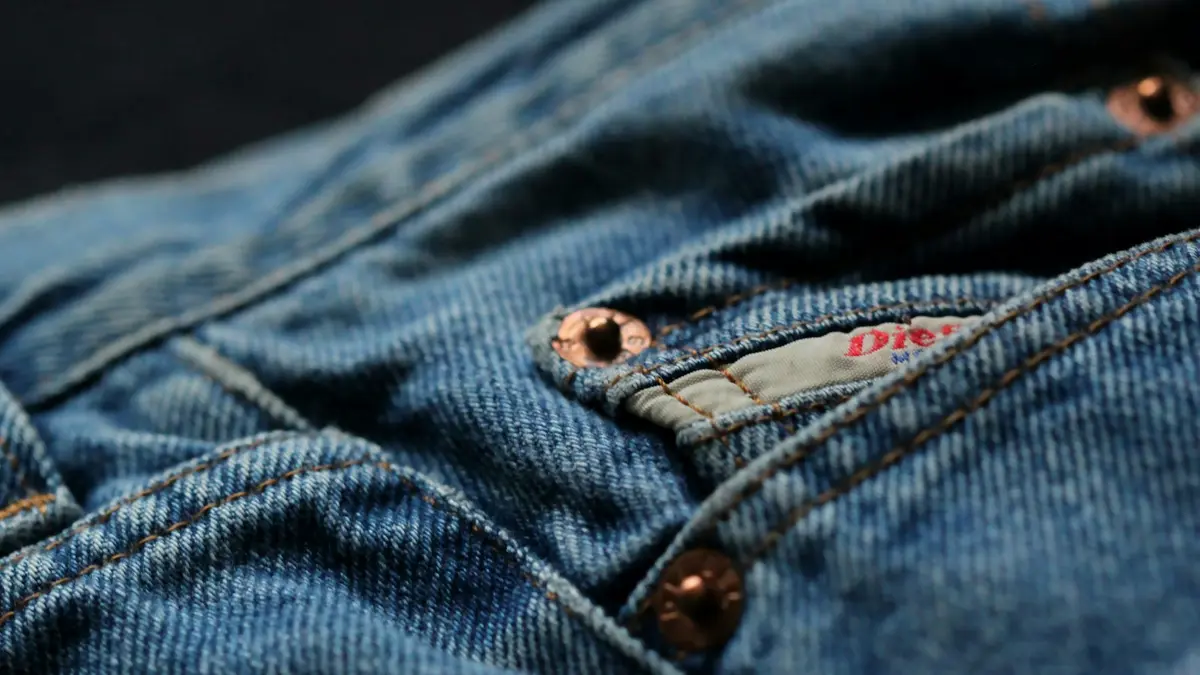
US Patent No. 139,121, issued in 1873, is historically associated with Jacob Davis and Levi Strauss & Co. for an improvement in fastening pocket openings using rivets. The patent is an important example of how a relatively direct garment-construction improvement can become commercially distinctive.
Source: Unsplash
Rivet reinforcement addressed stress points in workwear garments, contributing to the development of durable riveted denim trousers. Later intellectual-property activity by apparel companies may involve finishing, laser treatment, product design, trademarks, and manufacturing methods, but any claim about current Levi Strauss patent holdings should be confirmed through current patent records rather than inferred from brand history.
Future Directions for Textile Patents
Future textile patents may increasingly combine material science with digital manufacturing. Areas to watch include engineered bio-based fibers, digital fabric simulation, automated defect detection, on-demand coloration, and modular product construction. These inventions may involve both physical textile components and software-based methods.
Blockchain-enabled product identification and digital rights management are also being explored for supply-chain authentication, though practical value depends on reliable data capture and governance across suppliers. AI-assisted design, gene-editing-related biomaterials, and quantum-related material claims require particular caution: legal eligibility, technical maturity, and commercial relevance can vary substantially by jurisdiction and application.
Key Takeaways
Textile patents convert technical inventions into rights that may support manufacturing, licensing, investment, and market differentiation. Their subject matter ranges from synthetic fibers and waterproof membranes to recycled yarn systems, biomaterials, conductive fabrics, and digital production methods.
A patent number is not a complete answer to a technical or legal question. Effective textile-IP work requires checking the claims, patent family, ownership, legal status, geographic coverage, and relationship between the patent document and the product actually sold. This discipline supports compliance, collaboration, innovation planning, and competitive decision-making.
Patent Search and Research Resources
Useful starting points for textile patent research include:
- WIPO PATENTSCOPE for published international Patent Cooperation Treaty applications and participating collections.
- USPTO Patent Center and patent search tools for US applications, grants, prosecution information, and related records.
- EPO Espacenet for worldwide patent-document searching, family information, and bibliographic data.
- EPO Register for procedural and legal-status information on European patent applications.
- Peer-reviewed textile literature for testing methods, material characterization, process context, and independent technical analysis.
Search by patent number, inventor, applicant, International Patent Classification codes, material name, and process terminology. For legal decisions, confirm current status in the relevant national or regional register and seek qualified professional advice where necessary.