Top Textile Universities and Colleges in India for Textile, Apparel and Fashion Studies
Table of Contents
Top Textile Universities in India
India has a broad network of institutions serving the textile value chain, from fibre science, spinning, weaving, wet processing and technical textiles to apparel production, fashion design, merchandising, handloom and carpet technology. Students can find programmes at engineering colleges, universities, specialist design schools, polytechnics and sector-focused institutes.
This directory is an informational starting point for learners, educators and industry professionals looking for top textile universities in India and related colleges. It is not a national ranking. Programme names, eligibility, campus availability, entrance examinations, affiliations and contact details can change, so applicants should always confirm current information directly through the institution and its official admissions notice.
Directory of Textile, Apparel and Fashion Education Institutions
The institutions below represent a cross-section of established and specialist providers mentioned in textile, garment and fashion education listings. Engineering-oriented institutes generally focus on textile technology and manufacturing systems, while design schools may emphasise materials, fashion, surface design, apparel and visual communication. A prospective student should compare curriculum depth, laboratory access, industrial training, placement support and the level of study before applying.
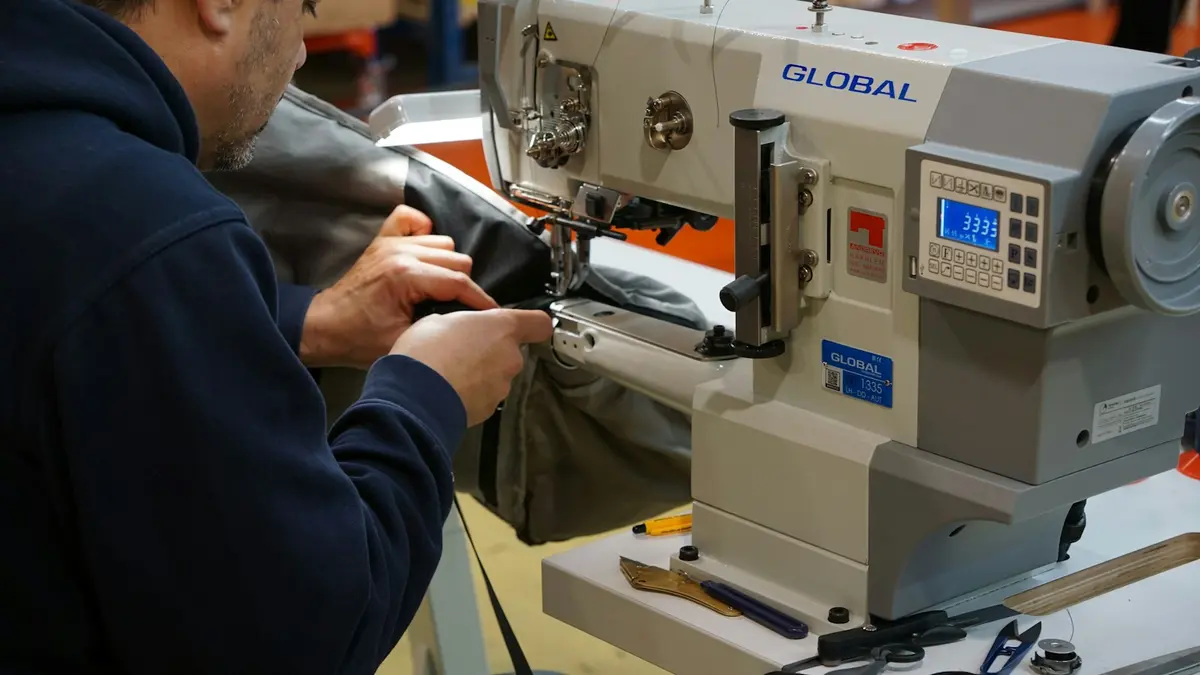
Source: Unsplash
Leading Textile Engineering, Garment and Fashion Institutions
Indian Institute of Technology Delhi is commonly associated with textile-engineering education through its textile and fibre-related academic capabilities. Students considering IIT-level study should check the current department structure, available undergraduate and postgraduate pathways, and the applicable entrance route for the intended programme.
The Institute of Apparel Management has been listed as a specialist option for fashion and lifestyle design, fashion merchandising and textile merchandising. Such programmes can be relevant for students targeting product development, buying, retail, sourcing, visual presentation and fashion-business roles. Before enrolling, verify the present course portfolio, awarding arrangement, campus location and admissions process.
These two examples illustrate an important distinction in the sector: textile engineering programmes are usually science, mathematics and process-engineering intensive, whereas apparel and merchandising courses typically combine design awareness with product, market and supply-chain knowledge.
Kumaraguru College of Technology and Mumbai University
Kumaraguru College of Technology (KCT), Coimbatore, has been included in textile and fashion education directories for textile technology and fashion technology-related study. Coimbatore is a major textile-manufacturing region, making the area especially relevant for learners seeking exposure to spinning, knitting, weaving, processing and garment-production ecosystems. Applicants should review the current KCT prospectus for exact programme titles and admission criteria.
University of Mumbai has also been associated with textile technology study through its academic and affiliated-college ecosystem. Because programmes may be delivered by specific departments or affiliated institutions rather than centrally by the university, students should identify the precise college, campus, degree title and approval status before submitting an application.
DKTE and Other Textile, Handloom and Design Institutions
DKTE Society’s Textile and Engineering Institute, Ichalkaranji, is a recognised name in Maharashtra’s textile education landscape. Ichalkaranji has longstanding links to textile production, and DKTE is often considered by students interested in engineering-led textile education, including manufacturing, processing and allied technical specialisations.
Other institutions frequently included in broad textile, handloom and design directories include Asian Polytechnic, Anna University, Awadhesh Pratap Singh University, Gandhigram Rural Institute, National Institute of Fashion Technology (NIFT), Punjab Technical University, Visva-Bharati, Assam University, and the Government College of Engineering and Textile Technology. Their offerings can differ substantially: one provider may offer a diploma in textile design, another may offer a university degree, while a third may focus on fashion, handloom, accessories or engineering.
For diploma-level applicants, it is particularly important to check minimum educational qualifications, whether the course is approved by the appropriate technical education authority, and whether practical facilities support the advertised specialisation. Handloom-oriented study may include craft documentation, weaving traditions, design development and production methods, while textile technology courses generally place more weight on materials, machinery, quality and manufacturing operations.
Government College of Engineering and Textile Technology and Design Schools
The Government College of Engineering and Textile Technology, Berhampore, is among the institutions associated with textile-focused engineering education in West Bengal. Students should confirm the current branches available at the college, intake capacity, admission authority and any state-level counselling requirements.
The directory also includes institutions with stronger design and multidisciplinary profiles, such as the National Institute of Design (NID), Ratnavel Subramaniam College of Engineering and Technology, and Srishti School of Art, Design and Technology. Depending on the institution, relevant study may be found under textile design, fashion and apparel, material design, product design, surface design or interdisciplinary design rather than under a programme titled textile engineering.
NIFT campuses in Chennai, Hyderabad, Kolkata, Bengaluru, Mumbai and Gandhinagar are often considered by students pursuing fashion, textile, knitwear, leather, accessory, communication or apparel-production pathways. Pearl Academy, Delhi, and Northern India Institute of Fashion Technology (NIIFT), Mohali, are also commonly considered for fashion and design education. Course availability can vary by campus, so candidates should assess the specific campus curriculum rather than relying on the institution name alone.
Design, Garment and Textile Training Institutions
This group covers institutions listed in the original directory across Noida, Bengaluru, Chennai, Kolkata, Erode, Delhi, Jaipur, Guwahati and Coimbatore. It includes providers of degree, diploma, postgraduate, certificate and short-term programmes in textile design, textile processing, garment technology, apparel design and computer-aided garment design.
I.M.S. Design and Innovation Academy (D.I.A.) is included among the design and training providers. As with other private and specialist academies, candidates should establish whether a course leads to a degree, diploma, certificate or industry training credential, and which body awards or validates it.
Short-duration courses can be useful for learners developing focused production skills such as pattern making, garment construction, CAD-based apparel development, merchandising or textile printing. However, they should not automatically be treated as equivalent to a four-year engineering or design degree. Ask about workshop hours, software access, portfolio development, internships and assessment methods.
Some entries in older listings may contain historical affiliation, recognition or accreditation claims. These should be independently checked against current official institutional information and the relevant regulatory or affiliating authority before a student makes a financial commitment.
Karpagam Polytechnic College and Further Diploma and Degree Providers
Karpagam Polytechnic College is listed among providers associated with textile technology and diploma-level technical education. Polytechnic programmes can offer a practical route into textile manufacturing, quality control, garment production, maintenance and supervisory work. Students should confirm the diploma branch, state technical education affiliation, eligibility and lateral-entry possibilities for further study.
The wider set of entries in this part of the directory includes providers connected with textile technology, textile design, garment technology, dress designing and fashion education. It also includes NIFT and Pearl Academy references alongside other colleges. These programmes should be compared by academic level:
- Diploma courses commonly emphasise practical technical skills and entry-level industry readiness.
- Bachelor’s degrees may combine theory, design, technology, laboratories, projects and internships.
- Postgraduate programmes may support specialisation in management, design, manufacturing, materials or research.
- Certificate courses are usually narrower and may suit working professionals or beginners testing a career interest.
Applicants considering programmes at Panjab University, Punjabi University, Periyar Maniammai Institute and other listed providers should confirm whether textile-related teaching is offered directly by the named institution, an affiliated college or a particular department.
Veermata Jijabai Technological Institute, Mumbai
Veermata Jijabai Technological Institute (VJTI), Mumbai, is a government institution historically associated with engineering and technology education. Textile technology has been included among the disciplines connected with the institute, with references to diploma, undergraduate and postgraduate study routes.
Students interested in VJTI should consult the current academic catalogue and admissions notices to verify available textile technology programmes and the applicable selection process. The programme level matters: diploma, bachelor’s and master’s courses can have different academic prerequisites, entrance procedures and career outcomes.
Mumbai’s role in India’s textile, apparel, retail and design economy can offer useful exposure to industry activity, but applicants should judge a programme primarily by its current curriculum, laboratories, faculty expertise and practical-learning opportunities.
Technological Institute of Textile and Sciences
The Technological Institute of Textile and Sciences (TITS), Bhiwani, Haryana, is a specialist institution often associated with textile education. Listings have referred to B.Tech-level study in textile technology, fashion and apparel engineering, and textile chemistry.
These specialisations represent different professional directions. Textile technology generally addresses production and process engineering; fashion and apparel engineering connects manufacturing systems with garment development; and textile chemistry typically concentrates on fibres, dyes, chemicals, processing and quality. Applicants should verify which specialisations are currently open, their approval status and the relevant admission route.
NITRA Technical Campus
NITRA Technical Campus, Ghaziabad, Uttar Pradesh, has been listed in connection with B.Tech study in textile technology. A technical campus serving the textile sector may be of interest to candidates seeking an engineering foundation alongside exposure to industrial processes and textile applications.
Before applying, confirm whether the B.Tech textile technology programme is currently running, the university affiliation, entrance requirements, available laboratories and practical training arrangements. It is also sensible to ask whether the course includes areas such as yarn manufacture, fabric formation, wet processing, testing, apparel manufacturing, sustainability and technical textiles.
Indian Institute of Handloom Technology
The Indian Institute of Handloom Technology entry associated with Varanasi reflects the importance of specialist education for India’s handloom sector. Handloom-focused programmes can combine textile technology with weaving practice, fabric development, design, craft knowledge and production management.
The exact institutional name, location and current programme title should be checked carefully before publication or application. Students should also determine whether a listed programme is a degree, diploma or other qualification, and whether it is offered at the Varanasi location in the current academic cycle.
Indian Institute of Carpet Technology
The Indian Institute of Carpet Technology (IICT), Bhadohi, Uttar Pradesh, is linked with carpet and textile technology education. Bhadohi is widely associated with India’s carpet-making sector, making a specialist programme potentially valuable for learners interested in floor coverings, yarns, colour, design, production planning, quality and export-oriented product development.
Prospective students should verify the current title and level of the carpet and textile technology programme, admissions process and official institute information. A specialised carpet course may be particularly relevant for students who want an industry niche beyond conventional apparel or mill-based textiles.
Uttar Pradesh Textile Technology Institute and Additional Engineering Colleges
Uttar Pradesh Textile Technology Institute (UPTTI), Kanpur, has been listed in relation to textile technology and man-made fibre technology study. These areas can cover the conversion of fibre into yarn and fabric, polymer-based materials, process control, testing and industrial production. Where postgraduate admission is concerned, an examination such as GATE may be relevant for certain programmes, but applicants must rely on the current admission notification rather than historical listings.
Additional institutions in older textile-engineering directories span Punjab, Madhya Pradesh, Rajasthan, Maharashtra and Himachal Pradesh. They include public, government and private providers, but institutional status, programme availability and entrance examinations can change over time. Requirements such as JEE Main, MHT CET, HPCET, state counselling or institute-specific selection should therefore be confirmed for the particular course and admission year.
When comparing colleges, use a practical checklist:
- Confirm that the programme is active and identify its exact degree or diploma title.
- Check the current eligibility requirements, entrance examination and counselling process.
- Review the syllabus for technical depth in fibres, yarns, fabrics, wet processing, apparel or design.
- Ask about laboratories, pilot machinery, CAD facilities, testing equipment and industrial visits.
- Examine internship opportunities, placement data where officially published, alumni outcomes and the college’s proximity to relevant textile clusters.
- Verify fees, accommodation, scholarship options and the recognition of the final qualification.
India’s textile and apparel sector needs professionals with both technical and creative capabilities. The most suitable institution depends on whether a student aims to become a textile engineer, process specialist, apparel technologist, fashion designer, merchandiser, handloom professional, carpet technologist, entrepreneur or textile researcher. Careful verification of the current programme is the essential final step before choosing from this directory.
Source: Unsplash