Types of Hem Finishes Used in Garment Construction
Table of Contents
Understanding Hem Finishes
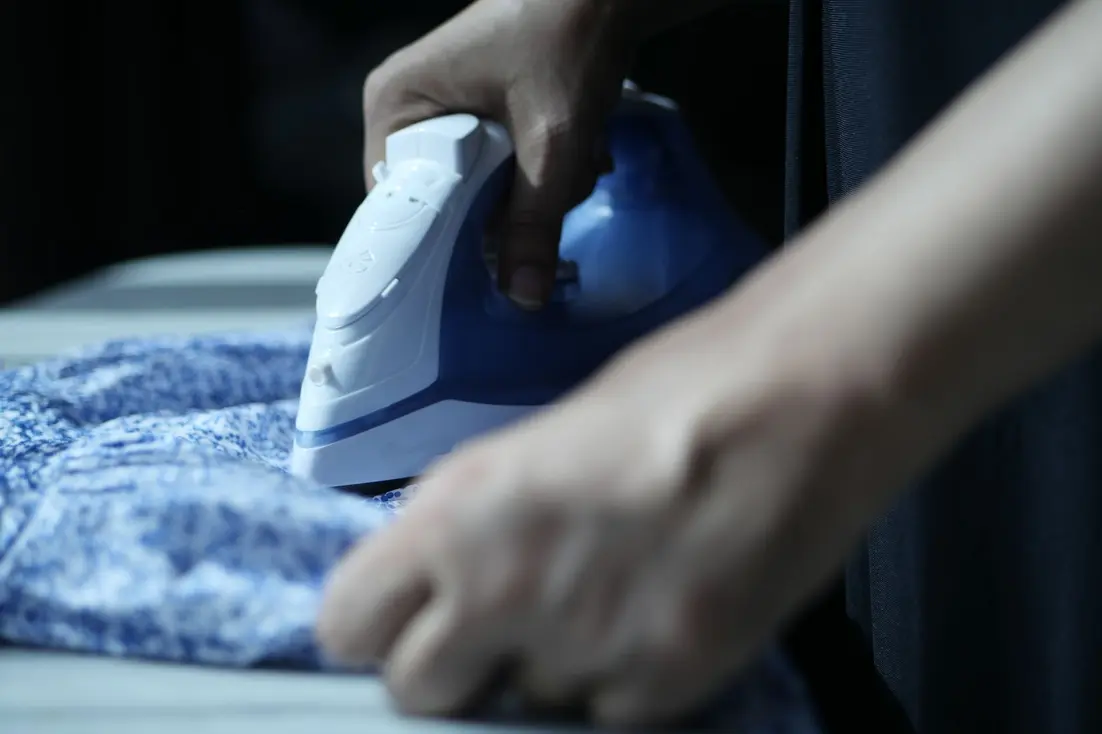
A hem finish is the treatment used at a garment’s lower edge or another exposed edge to limit fraying, tearing, and wear while producing the intended appearance. A hem may be turned to the garment inside, applied visibly as a design detail, or left exposed and secured with a stitch-based edge treatment. Although often viewed as a small construction detail, the hem has a substantial effect on the way a garment hangs, moves, launders, and retains its shape.
Source: Pexels
Hem construction influences edge bulk, drape, durability, and visual quality. A narrow finish can preserve the softness of a sheer skirt, while a deep or reinforced hem can give a tailored coat more body and a cleaner fall. Decorative bands, bindings, and visible rows of stitching can also make the hemline part of the garment design rather than simply an edge treatment.
Hems can be secured by visible machine stitching, largely concealed blind stitching, interlocking overedge loops, adhesives, or heat-activated bonding materials. The suitable method depends on fabric weight, hand, finish, resistance to raveling, garment style, expected wear, care requirements, and available production equipment. In practice, a hem should protect the edge without creating unwanted stiffness, puckering, shadowing, or distortion.
Twenty Common Hem Finishes for Garments
The following types of hem finishes are organized by their main construction method and functional result. Some rely primarily on sewing, while others use applied fabric components, bonding materials, or internal supports to control the garment edge.
A. Stitch-Secured Hem Finishes
Stitch-secured hems use thread as the principal means of holding a folded or finished edge in place. The stitches may be intentionally visible, nearly concealed from the garment face, or formed as loops around an exposed edge. Their performance depends on stitch type, thread, seam density, fabric structure, and the stresses expected in wear and laundering.
Blind-Stitch Hem
A blind-stitch hem is folded to the inside and secured with stitches designed to show little or no visible evidence on the garment face. The stitch catches the hem allowance and only a small portion of the outer garment layer, making it useful where a clean exterior is important.
Blind-stitch machine selection varies with fabric type, hem location, thread choice, garment use, and the required stitch-loop formation. The hem may be made with or without tape or binding between the edge and garment ply. It is commonly selected for tailored, formal, and other garments where face-side topstitching is undesirable.
Book Hem
In a book hem, the raw edge is first turned under and then attached with concealed blind stitching. This enclosed edge improves neatness and can be useful where the hem may face abrasion. The method is suitable for unlined dresses, skirts, trousers, jackets, and coats when visible machine stitching would interrupt the intended appearance.
Some book-hem constructions use thermoplastic thread. When the correct heat, steam, or pressure is applied, the thread can help bond the folded layers and stabilize the hem. Production settings must be compatible with the fabric to avoid shine, color change, or heat damage.
Two-Row Stitched Hem
A two-row stitched hem has two parallel lines of machine stitching placed at different positions across the hem depth. The rows may be used as a visible design feature, but their main technical benefit is added security. If one stitching line breaks, the second line can still hold the hem temporarily.
This construction is appropriate for bulky, heavyweight, or weighted hems and for garments subject to repeated wear. It adds stitching and can increase stiffness, so it is generally less suitable for very delicate or transparent fabrics.
Edge-Stitched Hem
An edge-stitched hem begins with a small preliminary turn-under, often about 6.4 mm (1/4 inch), before the final hem is formed. Stitching close to this folded edge helps contain loose yarns and reduces the risk of raveling.
The extra fold also gives a soft or limp hem more body. Edge-stitched construction is useful where a strong, tidy edge is needed for machine-washable garments, provided the fabric can accept the added bulk without showing an undesirable ridge.
Flat Turned Hem
A flat turned hem is made by turning the lower edge upward so that the finished hemline remains relatively smooth and has little bulk or ridging. It is intended to create a simple lower edge with minimal visible stitching on the garment face.
This construction works best with fabrics that have enough resistance to unraveling. On loosely woven or highly fraying materials, the raw edge usually needs additional containment, such as overedging, binding, or an enclosed fold.
Machine-Sewn Hem
A machine-sewn hem is secured by one or more rows of visible stitching passing through all layers of the hem. It is one of the most direct and durable hem methods and is widely used when appearance permits visible topstitching.
This type is well suited to garments exposed to substantial wear and frequent laundering, including many casual, work, and utility garments. On firmly woven or bulky fabrics, it can produce a stable, relatively flat edge. Stitch spacing, thread color, and needle selection should suit both the fabric and the desired visual effect.
Overedged Hem
An overedged hem uses interlocking thread loops to finish an exposed raw edge rather than turning the edge under. The looped threads cover the cut edge and help limit raveling. This can be produced with an overedge machine or a comparable stitch formation.
On knits and stretch fabrics, the treatment may be manipulated to create a wavy lettuce-edge effect. The result can be functional, decorative, or both, but the edge should be tested for stretch recovery and seam security when used on high-stress garment areas.
Rolled Hem
A rolled hem is a very narrow double fold that encloses the raw edge. A rolled-hem attachment can turn and stitch the edge in one operation, supporting consistent production on suitable machines.
Because it adds little weight or bulk, this finish is useful for sheer, lightweight, and very full garments such as flounces, ruffles, and flowing skirts. A rolled hem is less appropriate where the edge needs substantial weight or where a heavy fabric would create an oversized roll.
B. Applied Hem Treatments
Applied hem treatments add a separate strip, facing, bonding material, or other component to the garment edge. They can cover a raw edge cleanly, reduce the bulk of a turned hem, provide contrast, add length, or reinforce an area that needs more stability.
Band Hem
A band hem uses a folded or seamed strip of fabric applied at the garment edge. The band may be shaped, bias cut, or cut on the straight grain according to the hem shape and required behavior. It can enclose the garment edge to produce a clean finish.
Bands offer practical and visual options: they can add contrast in color or texture, coordinate with another garment component, or extend the finished length of a garment. A shaped or bias band is particularly useful where the hemline curves.
Fused Bonded Hem
A fused bonded hem places a bonding strip between the folded hem and garment body before heat fusing. The adhesive layer holds the folded construction in place and can provide a smooth exterior where visible stitching is unwanted.
Bonded hems can be used on woven and knit fabrics when the adhesive, pressing conditions, and fabric finish are compatible. Bonding-strip width is selected for the particular fabric and hem construction rather than treated as a universal measurement. Wear, laundering, dry-cleaning, flexing, and heat exposure should be considered before selecting a bonded construction.
Bound Hem
A bound hem, also called a Hong Kong finish or welt-finished edge, encloses the raw hem edge with a strip of matching or contrasting fabric. Bias-cut fabric is commonly used because it can follow curved edges more readily than a straight-grain strip.
Binding is useful for thick materials that may fray and for hems where turning a large fabric allowance would create too much bulk. It can keep the edge relatively flat while adding a deliberate decorative detail, especially when the binding color or texture contrasts with the garment fabric.
Hem with a Facing
A hem with a facing uses a shaped fabric section sewn to the garment face and then turned to the inside. Unlike a simple turned hem, the facing is cut to follow the intended edge contour.
Facings are useful for curved, scalloped, and shaped hemlines because they help preserve the contour. They can also reduce bulk in heavier fabrics and may extend the finished hemline when there is insufficient garment fabric available for a conventional turn-up.
Double-Turn Hem
A double-turn hem uses two full-depth folds to enclose the raw edge and add body to a straight-grain garment edge. The enclosed construction offers a clean inside finish and can provide useful weight in lightweight or transparent fabrics that require a deeper hem.
It is also a durable option for rugged garments that will be washed frequently. However, the two folds can become bulky in dense fabrics or on strongly curved edges, where a facing, binding, or narrower finish may perform better.
Adhesive Hem
An adhesive hem uses a bonding material to secure a turned-up edge instead of exposed machine stitching. In this construction, the edge beneath the fold may remain unfinished when the material does not ravel or when conventional stitching is undesirable.
This method is relevant to leather, suede, skins, felt, and other matted materials. Adhesive choice must match the substrate and expected service conditions, since flexibility, aging, cleaning method, and temperature can affect bond performance.
Mitered Hem
A mitered hem uses a diagonal seam that bisects a hem corner. The diagonal arrangement removes excess layers from the corner, reducing bulk and producing a flatter, cleaner finish than overlapping folded allowances.
Mitering is especially valuable at squared corners, faced hems, and edges where bands or trims continue around the garment. Accurate marking and pressing are important because uneven miters are highly visible at the finished corner.
C. Shaping and Reinforcing Hem Finishes
Shaping and reinforcing hem finishes are used when the lower edge must contribute to the garment silhouette as well as finish the fabric. These treatments can add stiffness, weight, controlled fullness, support, or a deliberately defined edge shape.
Horsehair-Braid Hem
A horsehair-braid hem incorporates stiff, transparent woven bias braid with a heavier edge thread into the hem area. Despite its name, modern horsehair braid is generally a manufactured trim rather than animal hair.
The braid adds body, controlled fullness, flare, and a billowing effect. It is used in sleeves, collars, capes, dresses, gowns, and bouffant silhouettes, and it can help stabilize a hemline in heavier fabrics. The braid width and placement should be chosen to support the desired shape without creating a visible line on the garment face.
Interlined or Interfaced Hem
An interlined or interfaced hem contains an added reinforcement strip between the hem fold and garment body. The support material adds body and crispness and can help the hem resist softening or wrinkling during wear.
This treatment creates a more stable base for the hem and can influence the silhouette of the lower edge. The support should be compatible with the garment fabric; an overly rigid interlining may restrict drape, while an unsuitable fusible may cause bubbling or distortion.
Padded Hem
A padded hem contains a thick, soft insert between the hem and the garment. The padding typically extends slightly beyond the hem area and is doubled at the fold so that the edge transitions gradually rather than forming a sharp ridge.
Padding softens the fold and reduces sharp creases or ridges in heavy fabrics. It also adds roundness, weight, and body to the lower edge, making it useful in garments where a softer, more substantial hem profile is desired.
Weighted Hem
A weighted hem places chains, metal disks, or other weighting components inside the hem area. The added mass can improve drape, maintain an even fall, keep a hemline straight, and reduce movement or riding up in lightweight garments.
Weights may also be placed near pleats, slashed openings, or coat and jacket hem and facing corners. Weight must be distributed carefully to avoid distortion or stress concentration. Any lead-containing weighting component requires current safety and regulatory review before use.
Wire-Reinforced Hem
A wire-reinforced hem inserts plastic monofilament or wire into a narrow hem to stiffen the edge. This creates body and shape with relatively little added weight compared with many padded or weighted constructions.
The treatment can make an edge billow, ripple, or stand away from the garment. It is useful for ruffles, trims, and lettuce-style edges on sheer or lightweight fabrics. The inserted material should be fully contained and selected to withstand flexing without poking through the hem.
Selecting an Appropriate Hem Finish
Hem construction affects visual quality, edge stability, durability, drape, body, and shape retention. A narrow rolled hem may be the best choice for a lightweight flounce, while a bound, faced, or reinforced construction may be more appropriate for a thick tailored fabric or a shaped hemline.
Selection should balance fabric properties, garment style, intended use, care method, production capability, and the desired appearance on both the face and inside of the garment. Testing the chosen hem on the actual material is particularly important where bonding, stretch fabrics, heavy support materials, or repeated laundering are involved. The appropriate hem finish supports the intended design while helping the garment perform reliably through wear and care.