How Can You Weave Denim on a Home Loom?
Table of Contents
Yes, you can weave denim on a home loom, provided you define success realistically. A home floor loom or shaft table loom can make a useful, durable cotton twill with the diagonal texture associated with denim. It will not automatically duplicate mass-produced jeans fabric, which is woven, finished, and often processed on specialized industrial equipment. But it can become excellent material for small garments, bags, aprons, patches, home goods, and experimental sewing.
The most important decisions are not the word “denim” on a yarn label. They are your loom’s working width and tension capacity, a strong enough cotton warp, a twill structure, an appropriate sett, a firm and consistent beat, and a sample that is washed before you commit to a full project.
Start with a workable definition of denim
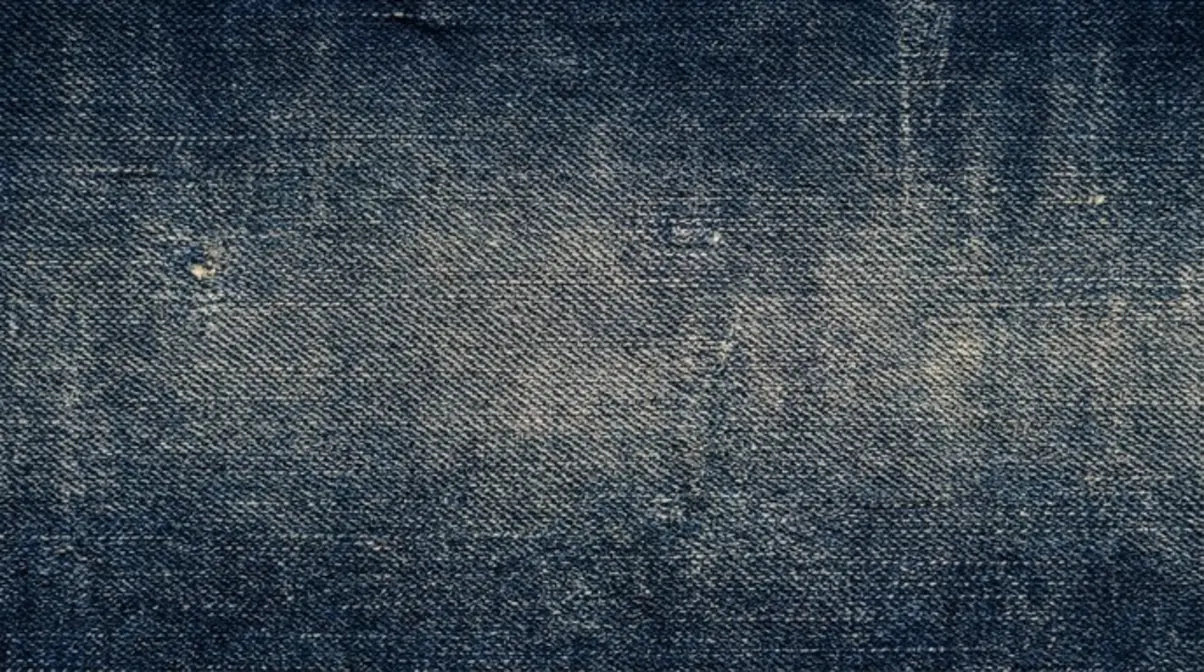
Traditional denim is usually a cotton 3x1 right-hand twill: warp yarns pass over three weft yarns and under one, producing diagonal lines that rise from lower left to upper right on the face. The warp is commonly indigo-dyed, while the weft remains natural or pale cotton. That contrast is a major reason conventional denim has a blue face and lighter reverse side.
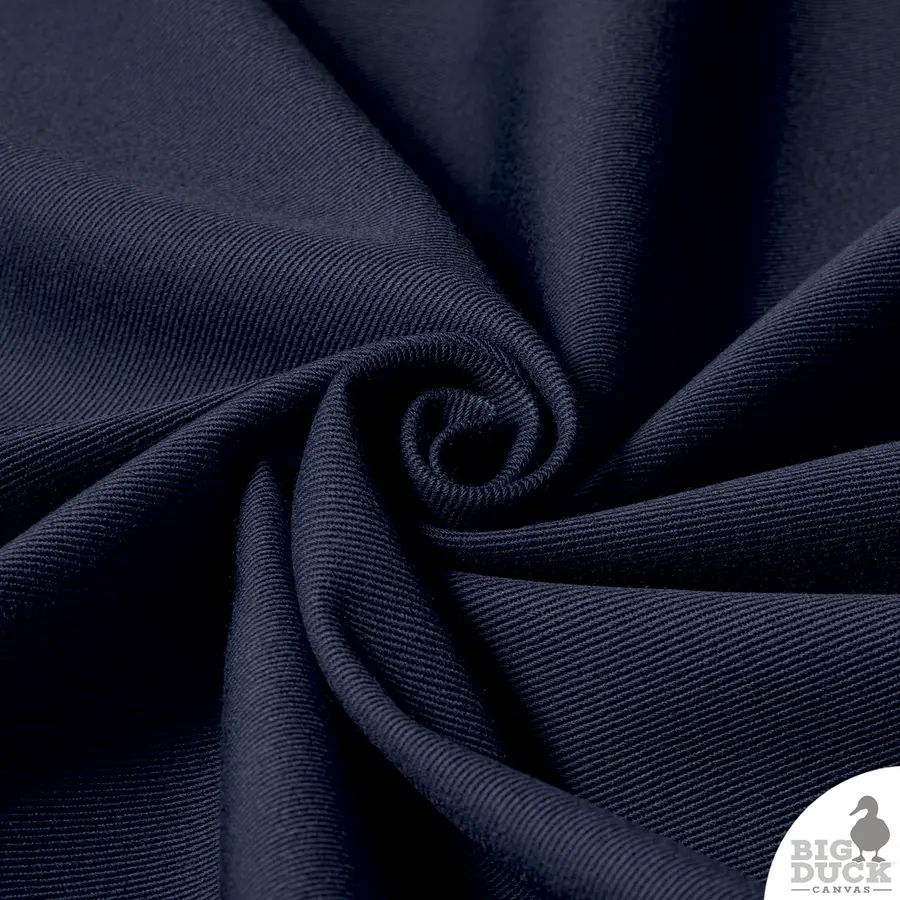
Source: cdn11.bigcommerce
You can borrow all or only some of those characteristics. A denim-inspired handwoven cloth might use:
- indigo or dark-blue warp with natural cotton weft;
- a 3x1 twill draft for the classic look;
- a lighter blue, black, brown, or undyed warp for a different interpretation;
- cotton yarns that are substantial enough to produce a firm fabric after finishing.
A 3x1 twill is the closest structural starting point, but it is not the only option. A balanced twill may be easier to sample, while another twill direction can intentionally change the visual effect. What matters is that you choose a structure and density that produce the hand and durability your project needs.
Choose the loom based on structure, width, and effort
A floor loom is generally the most practical home loom denim option. Its sturdier frame, treadle operation, and ability to manage longer warps make firm weaving more manageable. A floor loom also leaves both hands available for throwing the shuttle and beating while the feet change the shed.
A table loom can also weave denim-like cloth. It has shaft-based pattern capability, so it can handle twill, but hand-operated levers make the work slower. Narrow widths are also more realistic on many table looms. This is not a reason to avoid the project; it is a reason to plan a smaller item, panels that can be sewn together, or a narrow selvedge-to-selvedge design.
A rigid-heddle loom is the least straightforward option for classic denim twill. Rigid heddles have fixed dents, and dense projects can be challenging. A second heddle can expand the loom’s capability and make twill possible, but a shaft loom is usually the simpler route when you want dense cotton twill regularly.
Before winding a warp, check three limits:
- Weaving width: Leave room for draw-in and edge control. A loom’s maximum stated width is not always the most comfortable finished weaving width.
- Reed availability: Your reed must support the sett you establish through sampling.
- Tension and beater strength: Dense cotton fabric needs steady tension and a confident beat. If the loom shifts, loses tension, or feels strained, reduce the fabric width or choose a less demanding yarn combination.
One handweaver in a Reddit discussion about handwoven denim described a loom with an approximately 40-inch weaving limit and planned to weave about 36 inches wide before washing. That is an individual plan, not a universal width target, but it shows why finished width should be calculated from the loom inward rather than assumed from its maximum capacity.
Select cotton yarns for strength before color
Warp yarn has to survive tension, abrasion through heddles and reed dents, and repeated shedding. Choose a smooth, firmly spun cotton that is suitable for warp. A weak, fuzzy, loosely spun, or highly slubby yarn may look attractive but can make a dense warp frustrating to weave.
Use a warp and weft combination that gives you enough contrast and body. Traditionally, the indigo effect comes from colored warp and light weft, but you can dye yarn yourself or use commercially colored cotton yarn. If you work with indigo-dyed yarn, protect surrounding surfaces and hands from loose dye during winding and weaving, especially when the yarn has not been washed after dyeing.
Yarn labels and numbering systems are not interchangeable across fiber types and regions, so do not select a sett from yarn numbers alone. Wrap the actual yarn around a ruler, inspect its diameter and twist, and weave a sample. The resulting fabric matters more than a nominal yarn count.
A useful documented handweaving example comes from a Reddit weaving post, where the contributor wrote: “I’m weaving with a 10/2 warp and a 6/1 weft. Which is actually a little bigger than usual for denim. I do a firm beat.” Treat that as one maker’s setup rather than a recipe; loom behavior, yarn source, finishing, and intended use all affect the result.
Sample the denim yarn sett instead of guessing
Sett is the number of warp ends placed into a given width. It controls openness, drape, firmness, abrasion resistance, and how easily the weft packs in. For denim-inspired cloth, the goal is normally a firm fabric, but an overly crowded warp can make sheds poor and prevent the weft from seating properly.
Weave a short sample warp with sections at two or three candidate setts. Keep the same yarn, draft, tension, and beat across the sample whenever possible. Then assess each section before and after wet finishing.
Look for these signs:
- Too open: Visible gaps between yarns, a loose surface, or a fabric that lacks body.
- Too crowded: Difficult shedding, persistent skipped threads, harsh board-like fabric, or weft that cannot pack consistently.
- Promising: Clear twill lines, a stable surface, reasonable drape for the planned item, and no obvious gaps after washing.
A handweaving journal from Mosevic demonstrates the calculation process with 16/2 cotton: the maker used a sett of 12 ends per centimeter and calculated 384 warp ends for a planned 32-centimeter width, while allowing for later shrinkage. That figure belongs to that particular yarn and project, not every denim warp, but the planning method is sound: multiply your sampled sett by your desired loom-state width, then account for expected draw-in and finishing change.
Weave the twill with consistent tension and a firm beat
Thread the loom for the selected twill draft, then weave a few inches of header and check the shed before beginning the main cloth. Twill is less forgiving of threading or treadling errors than plain weave because a single mistake can interrupt the diagonal line.
Maintain even tension across the warp. Uneven tension makes some ends sink or tighten, which can distort the twill and produce irregular density. Use floating selvedges if they help your chosen draft produce cleaner edges, and watch your draw-in rather than pulling the weft tightly at each edge.
A firm beat is important, but it should be repeatable rather than forceful at random. Aim to place each weft consistently. Beating harder when the cloth begins to look open can conceal a sett problem temporarily while creating uneven picks. If you cannot obtain the density you want without excessive force, revise the sett or yarn combination on the next sample.
For a first project, choose a manageable length. A narrow run of cloth teaches you how the warp behaves, how much it shrinks, and whether your planned fabric is comfortable to sew. It is easier to turn a short success into a bag panel or apron than to rescue several yards of cloth that finishes too stiff or too narrow.
Finish the fabric before judging it
Freshly woven cotton twill often looks and feels different from finished cloth. Wet finishing lets the yarns relax, bloom, shift into a more settled position, and reveal their actual density. The fabric can shrink in length and width, so never plan a fitted garment from loom-state measurements alone.
Record the sample’s woven width and length before washing. Wash and dry it using a method appropriate to the yarn and the level of shrinkage you are willing to accept, then measure again. Handle the sample as you expect to handle the final fabric: bend it, fold it, rub an edge, and test-sew a scrap if the final use is apparel.
This step separates a visually convincing twill from usable handwoven denim. If the finished sample is too stiff, adjust the yarns, sett, or weft packing. If it is too loose, increase density carefully or choose a sturdier yarn. If it shrinks more than your plan can accommodate, weave extra width and length on the final warp.
Set expectations for the finished cloth
Handwoven denim is often slower to produce, narrower, and more variable than industrial denim. Those are not defects. The cloth can show subtle irregularity, pronounced selvedges, and visible handwoven character. It may be best suited to garments with simple shapes, pieced construction, utility accessories, or projects where texture is part of the design.
If your goal is the familiar blue-and-white look, start with an indigo-colored warp, pale cotton weft, 3x1 twill, a carefully sampled denim yarn sett, and a firm beat. If your goal is durable cloth rather than an exact visual match, prioritize warp strength, comfortable weaving tension, and a thoroughly finished sample. That approach gives a home loom its best chance of producing fabric that is not merely denim-like, but genuinely useful.
References
- Journal 26 - How I set up my loom to weave denim. mosevic.com. https://mosevic.com/blogs/journal/setting-up-a-loom-to-weave-denim
- Is it possible to weave denim on a table loom? - Reddit. reddit.com. https://www.reddit.com/r/weaving/comments/1xavfgz/is_it_possible_to_weave_denim_on_a_table_loom
- How to weave denim on a floor loom with seams as warp? - Facebook. facebook.com. https://www.facebook.com/groups/denimupcyclers/posts/8277993302294539
- The denim weaving process explained. candianidenim.com. https://www.candianidenim.com/en/hub-activism/how-denim-fabric-is-woven/365
- What Type of Loom Should I Buy? - Gist Yarn. gistyarn.com. https://www.gistyarn.com/blogs/how-to-weave/choosing-a-loom
- Weaving denim with 16/2 cotton warp and 20/2 cotton weft - Facebook. facebook.com. https://www.facebook.com/groups/151314337083952/posts/1197962389085803
- How to Choose the Right Weaving Loom for You – The Woolery. woolery.com. https://woolery.com/blogs/the-woolery-blog/how-to-choose-the-right-weaving-loom-for-you
- Best of Weaving Techniques || Weaving with Denim | The Weaving Loom. theweavingloom.com. https://www.theweavingloom.com/best-of-weaving-techniques-weaving-with-denim