What Makes Two Fabrics With the Same Fiber Content Feel So Different?
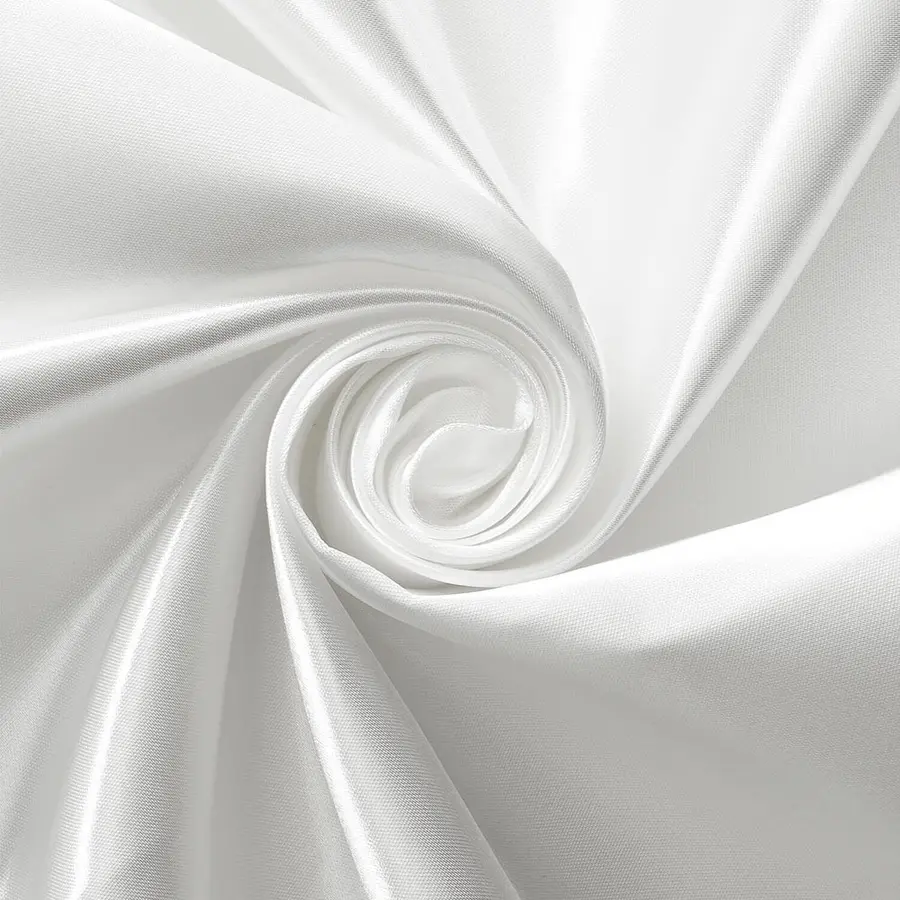
Table of Contents
Two fabrics can have exactly the same fiber-content label and still feel dramatically different because fiber percentage does not describe how the fibers were made into yarn, how those yarns were built into fabric, or what happened to the fabric afterward. Those choices affect fabric hand: the combined impression of softness, smoothness, stiffness, thickness, stretch, drape, warmth, surface texture, and resilience when a fabric is touched or handled.
In practical terms, a label such as “80% cotton, 20% polyester” is a starting point, not a prediction of softness. One 80/20 fabric may be a soft, brushed knit sweatshirt fleece; another may be a dense twill or canvas designed for body and durability. For online shoppers and makers, the most useful clues are usually yarn type, fabric construction, weight, density, and finishing—not small differences in fiber percentages alone.
Fabric hand is more than softness
People often use “soft” as shorthand for any fabric they enjoy touching, but textile hand includes several separate qualities:
- Surface smoothness: Does the face feel sleek, fuzzy, dry, textured, or rough?
- Bending stiffness: Does the fabric fold into gentle curves, or resist and form sharp ridges?
- Drape: Does it hang close to the body and flow, or stand away with structure?
- Bulk and compression: Does it feel thin and compact, lofty and cushioned, or thick and dense?
- Stretch and recovery: Does it yield easily under the hand and spring back?
These properties overlap, but they are not identical. A fabric can be smooth but firm, plush but bulky, lightweight but crisp, or heavy yet fluid. Research on knitted fabrics similarly connects tactile comfort with mechanical behavior such as bending, shear, tensile behavior, and density rather than treating softness as a single property.
Yarn type changes the fabric before it is woven or knitted
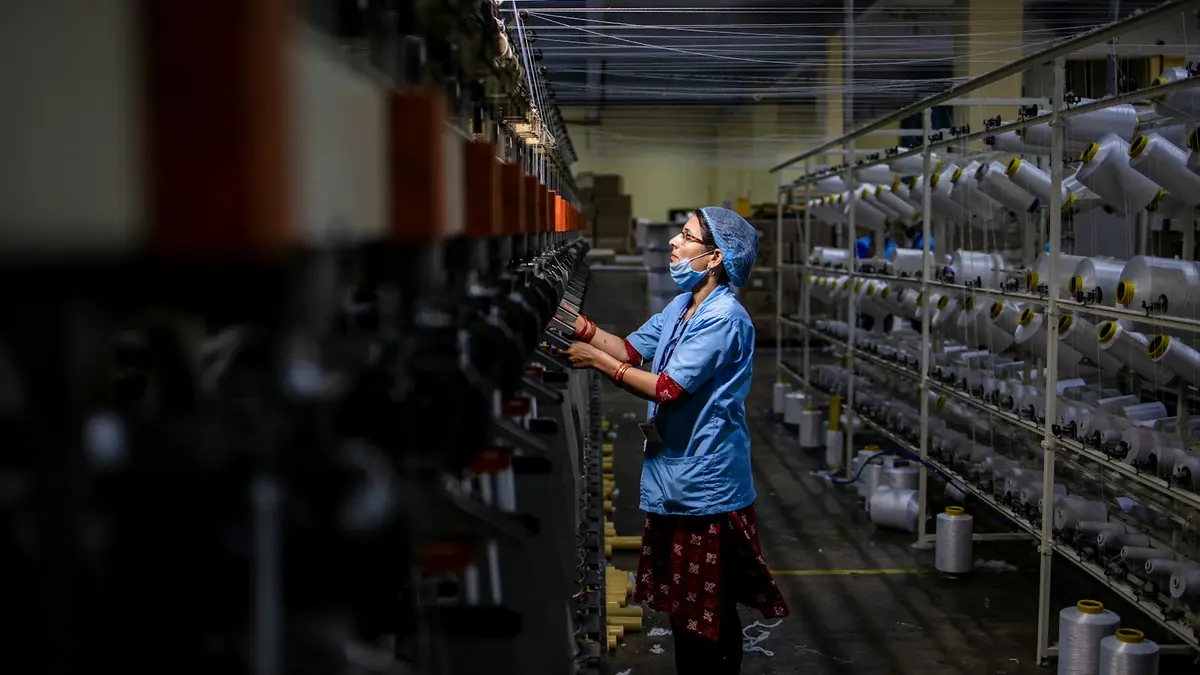
The yarn is the fabric’s building block. Even when two yarns contain the same fibers, their spinning method, thickness, twist, and surface can change the final feel.
Yarn thickness and bulk
Thicker yarns generally create more visible texture and bulk. They may make a fabric feel substantial, cushioned, or rugged, but they can also increase resistance to bending. Fine yarns can produce lighter, smoother, more refined fabrics when used in an appropriate construction.
This is why cotton is not automatically soft or stiff. Fine cotton yarn in a lightweight shirt can feel very different from heavier cotton yarn in duck cloth, denim, or canvas.
Twist and spinning method
Twist holds fibers together in spun yarn. It also influences how much fiber ends and surface texture are exposed. A yarn with a different spinning method or twist level can feel smoother, drier, fuzzier, firmer, or more compact than another yarn made from the same fiber blend.
Yarn manufacturing methods can also affect later fabric stiffness. One study of knitted fabrics notes that different yarn manufacturing techniques produce yarns with different stiffness characteristics, which can carry through into the fabric’s bending behavior. In other words, matching fiber content does not mean the yarns behave alike.
Fiber fineness and length still matter
Fiber content is not meaningless; it is simply incomplete. Finer fibers tend to bend more easily and can make a surface feel less coarse. Fiber length can also influence yarn smoothness because longer fibers can create yarns with fewer protruding ends. But those fiber-level advantages can be amplified, muted, or outweighed by yarn and fabric construction.
Fabric construction is one of the biggest reasons hand changes
How yarns are arranged determines how much they can move, bend, stretch, and slide against one another. This is why two cotton-rich fabrics can feel unrelated.
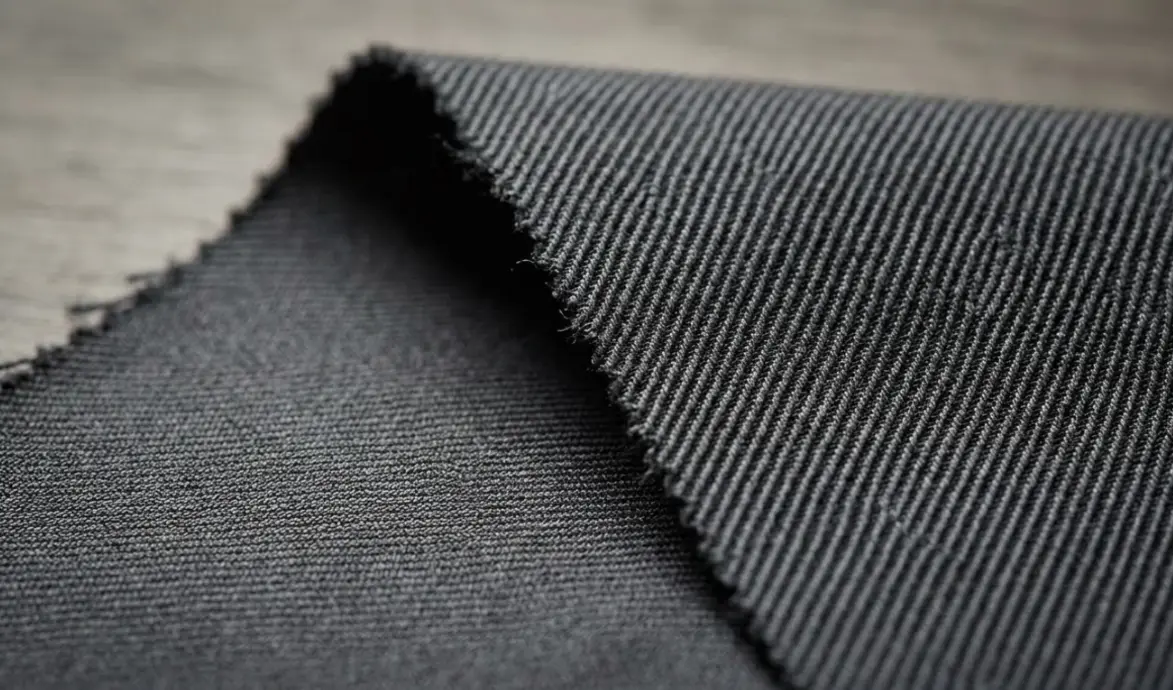
Source: canvasetc
Woven versus knit fabric
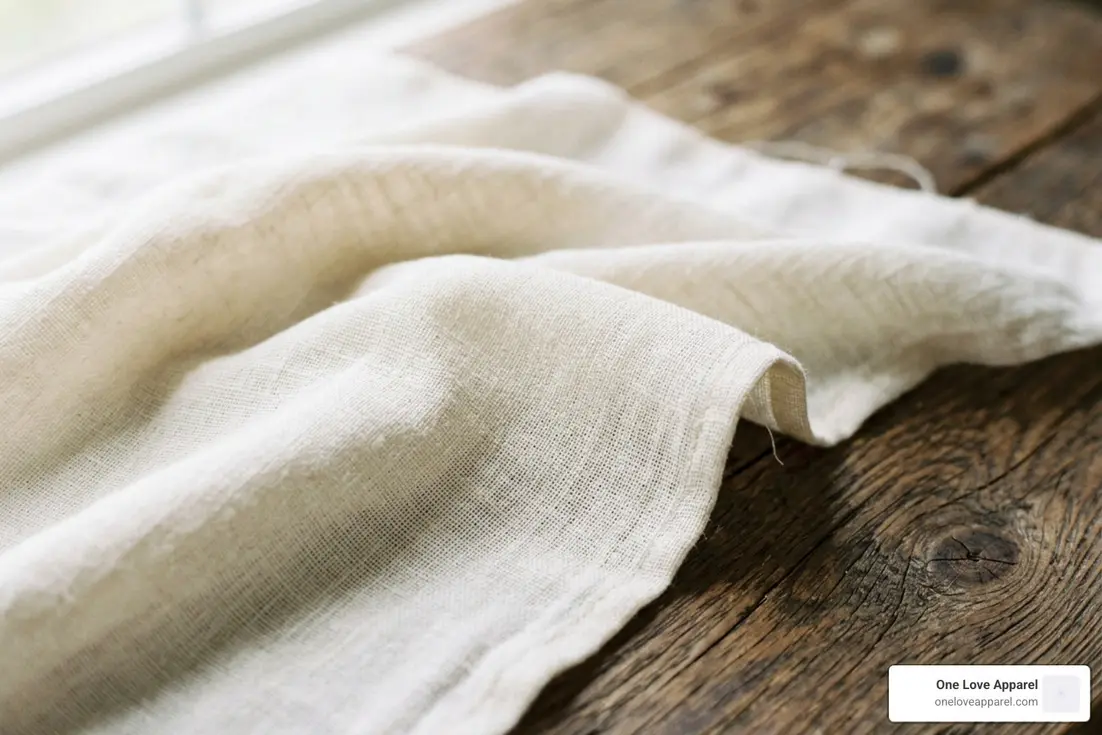
A woven fabric is made by interlacing lengthwise and crosswise yarns. A knit fabric is made from connected loops. In general, knitted loops allow more movement and stretch, which often gives knits a more flexible, comfortable hand. Wovens can be soft too, but their yarn intersections often create more dimensional stability and less inherent stretch.
That broad distinction is useful, but it is not a rule that all knits are soft and all wovens are stiff. A dense rib knit can feel firm, while a lightweight woven satin or soft twill can drape fluidly.
Plain weave, twill, and satin or sateen
Within woven fabrics, structure matters greatly:
- Plain weave has frequent yarn interlacements. It can feel crisp, stable, and balanced, though it may also be lightweight and smooth depending on the yarns and density.
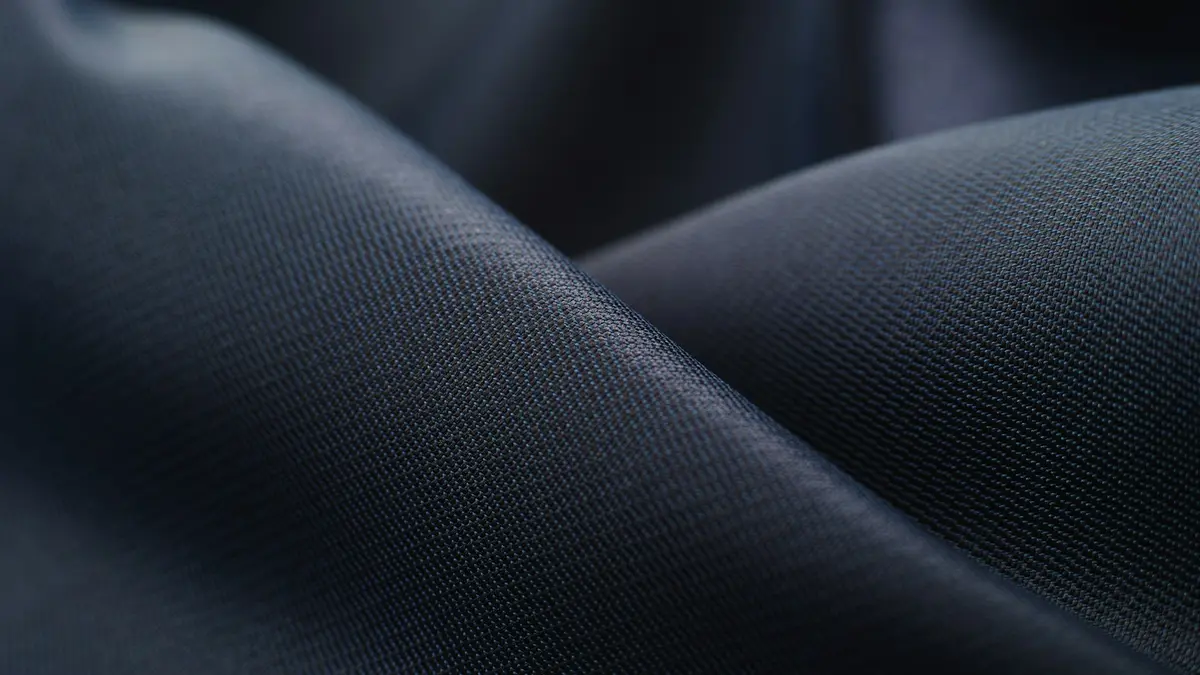
- Twill is identified by diagonal lines. Its yarns often have more freedom to move than in a plain weave, which can support flexibility and a softer hand. Denim is a familiar twill example, although its weight and yarns often make it feel firm.
- Satin or sateen uses longer yarn floats on the face. Fewer visible intersections can create a smoother, sleeker surface feel. The tradeoff is that long floats may be more vulnerable to snagging than tightly interlaced structures.
Jersey, rib, and interlock knits
Knit structures also produce distinct hands. Jersey is commonly lightweight and flexible, with a familiar T-shirt feel. Rib knits have pronounced vertical texture and stretch. Interlock is a double-knit structure that can feel more substantial, stable, and smooth than a basic jersey.
A discussion in the r/Fabrics community captures the practical problem well: a contributor noted that yarn spinning and construction choices—such as plain weave, twill, sateen, rib knit, jersey, and interlock—can matter more to hand feel than small changes in fiber percentages. That is a useful shopping principle, though the exact result still depends on the individual fabric.
Density and fabric weight affect flexibility
Fabric density describes how closely yarns or loops are packed together. Weight describes how much material is present in a given area. They are related, but not interchangeable.
A tightly packed fabric often has greater body and can resist bending more than a slack or open construction. Research on knit structures has found that increasing fabric density or tightness can increase bending stiffness, while longer stitches can create a slacker fabric with less bending stiffness.
Still, heavier does not always mean stiffer. A heavy fabric made with smooth, flexible yarns and a drapey structure may hang beautifully. Conversely, a light fabric can feel crisp if its yarns are tightly woven or finished for structure. For that reason, fabric weight is best read as a clue to bulk and coverage, not a complete softness rating.
Finishes can transform the surface and the body
Fabric finishes are applied after weaving or knitting, and they can substantially change what reaches your hand. This is one reason a product description that lists only fiber percentages leaves out important information.
Common examples include:
- Brushing: Raises a soft, fuzzy surface. It is common in fleece, flannel-like fabrics, and some sweatshirt materials.
- Enzyme washing: Can reduce surface fuzz or create a softer, more worn-in feel depending on the process and fabric.
- Softening treatments: Can improve suppleness and drape.
- Calendering: Compresses or smooths the surface, often giving fabric a flatter, more polished appearance.
- Stiffening finishes, resins, coatings, and backings: Add body, shape retention, or protective performance, but may reduce softness and fluid drape.
Finishing can also change physical properties beyond the surface. In the cited knit-fabric study, dyeing and softening altered area density and were associated with changes in bending stiffness. The effect of a finish is therefore not just cosmetic; it can change how a fabric moves.
How to judge fabric hand when shopping online
When you cannot touch the fabric, look past the fiber label and search product descriptions for structural words. Terms such as jersey, interlock, rib knit, twill, canvas, poplin, sateen, brushed, peached, washed, fleece, crisp, fluid, structured, and drapey are often more informative than fiber content alone.
Use these clues carefully:
- Choose knits, brushed surfaces, fine yarns, and descriptions such as drapey or fluid when you want a softer, more flexible feel.
- Choose canvas, duck, dense twill, structured weaves, coated fabrics, or crisp finishes when you want more body and shape retention.
- Treat words such as soft and luxurious as subjective marketing language unless the listing also explains the construction or finish.
- Compare fabric weight, construction, and intended use across products. A material marketed for upholstery, workwear, tailored garments, or bags is often built for different priorities than a T-shirt or sleepwear fabric.
The most reliable approach is to combine the fiber label with the construction name, weight, finish, and close-up photos. If a project depends on a specific hand, ordering a swatch remains more dependable than assuming that a familiar fiber blend will feel familiar.
The key takeaway
What affects fabric softness is not one ingredient but the interaction of fiber properties, yarn type, fabric construction, density, weight, and finishing. Fiber content can suggest broad possibilities, but it cannot tell you whether a fabric will feel smooth, stiff, plush, crisp, stretchy, bulky, or fluid. Two fabrics may share the same cotton-polyester ratio while behaving differently because they were engineered for entirely different purposes.
References
- What Makes Fabric Soft? Fibers, Weaves & Finishes – My Textile Fabric. mytextilefabric.com. https://mytextilefabric.com/blogs/news/what-makes-fabric-soft-understanding-fibers-weaves-and-finishes
- A study of the physical properties and bending stiffness of .... epubl.ktu.edu. https://epubl.ktu.edu/object/elaba:108976979/108976979.pdf
- What Determines the Softness of Fabric in Garments?. en.ecosoi.com. https://en.ecosoi.com/what-determines-the-softness-of-fabric
- Fabric Hand Explained: Key Factors and Applications. fabric-fabric.com. https://fabric-fabric.com/blog/what-is-fabric-hand-guide
- Fabric Drape and Stiffness Properties | PDF | Friction. scribd.com. https://www.scribd.com/presentation/514881204/Chapter-4-Handle-Property
- Fabric Softness - an overview. sciencedirect.com. https://www.sciencedirect.com/topics/engineering/fabric-softness
- Fabric Hand Feel & Textile Texture Guide for Designers | Your Colors | YourColors Knowledge Base. your-colors.com. https://www.your-colors.com/kb/99/fabric-hand-feel-texture-guide-for-designers
- Quantitative Analysis of Stiffness and Softness in Polyester .... compendiumpaperasia.com. https://compendiumpaperasia.com/index.php/cpa/article/download/817/343