What Makes a Textile Technical Rather Than an Ordinary Fabric?
Table of Contents
Technical textiles are textile materials and products made primarily to perform a specific function. Their value comes from properties such as strength, filtration, protection, reinforcement, insulation, durability, fluid handling, or controlled stretch—not mainly from color, pattern, or fashion appeal.
That does not mean technical textiles are limited to spacesuits, fire gear, or aerospace components. A technical fabric may be an airbag, a wound dressing, a road-stabilizing geotextile, a vehicle seat material, a crop-cover fabric, a diaper component, a sports garment, or a reusable filter. Many technical textiles are so ordinary-looking that people use them every day without recognizing them as a separate textile category.
The simplest definition: function comes first
The answer to what are technical textiles is best understood through purpose. A textile becomes technical when it is engineered and selected chiefly to meet defined functional or performance requirements for an end use.
An ordinary apparel or furnishing fabric can certainly have useful properties. A cotton shirt fabric needs to be comfortable, and upholstery needs reasonable wear resistance. But these products are commonly chosen through a balance of appearance, hand feel, drape, color, price, and basic durability.
With technical textiles, the required function is more central. The material may need to:
- Hold a specified load without tearing
- Filter particles from air or liquid
- Resist heat, chemicals, weather, abrasion, or flame
- Reinforce soil, concrete, rubber, or composites
- Manage moisture or provide controlled breathability
- Cushion, insulate, separate layers, or absorb fluids
- Protect a wearer from an occupational or environmental hazard
- Maintain stable dimensions during use
The textile may be woven, knitted, nonwoven, braided, coated, laminated, or made into a composite structure. It can use familiar fibers such as polyester, polypropylene, cotton, or wool, as well as specialty fibers. The fiber itself does not determine whether a material is technical. Its intended job and required performance do.
Technical fabric is not necessarily futuristic-looking
The phrase “technical textile” can make people picture advanced protective equipment. Protective clothing is one important category, but it is only one part of a broad field.
In a Reddit discussion asking what separates a technical fabric from ordinary textiles, the supplied excerpt notes that people often associate the term with aerospace and protective equipment. That association is understandable, but incomplete. Technical textiles also appear in packaging, household products, transportation, agriculture, healthcare, sports, and construction.
A tea bag filter, for example, is not usually viewed as a high-tech material. Yet it is a textile-based product designed to let water pass through while containing tea particles. Its function matters more than its appearance. The same principle applies to a cargo tie-down webbing, a roofing membrane reinforcement, or a nonwoven hygiene layer.
How technical textiles differ from conventional textiles
The difference is not a strict dividing line between “ordinary” and “advanced.” It is a difference in design priority.
Conventional textiles often begin with appearance and comfort
Fashion and furnishing fabrics are frequently developed around visual appeal, touch, drape, seasonal direction, and comfort. Functional features can be important, but they may be secondary to the fabric’s decorative or wearable role.
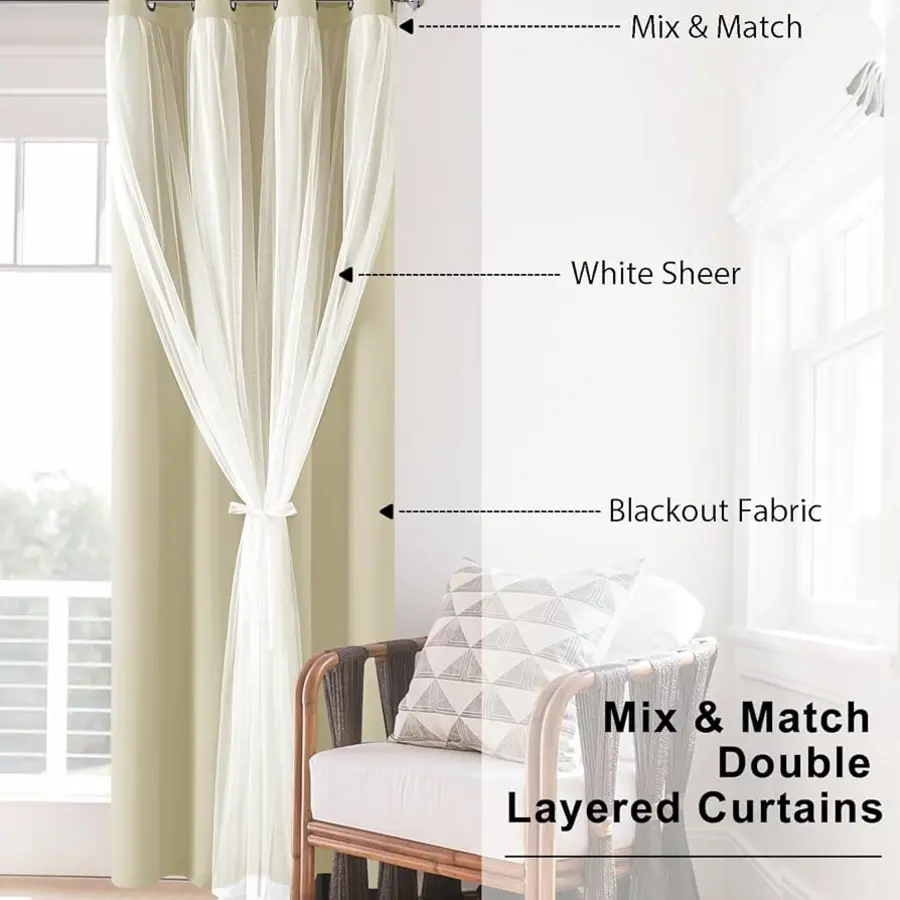
A curtain fabric, for instance, might be chosen for color, texture, light control, and how it hangs. A dress fabric may be evaluated for softness, opacity, stretch, and appearance after laundering.
Technical textiles begin with an end-use requirement
A technical fabric is usually developed from the question: what must this material do reliably in service?
For a filtration material, that question may involve particle capture and fluid flow. For a geotextile beneath a road, it may involve separation, drainage, reinforcement, or erosion control. For an airbag fabric, the concern is controlled performance in a safety system. For protective textiles, the requirement may be resistance to heat, chemicals, mechanical hazards, or other exposures.
This function-led approach usually affects the entire material design: fiber choice, yarn construction, fabric structure, coating, lamination, finishing, assembly method, and testing.
Source: cdn-admfp.nitrocdn
Performance must be consistent, not merely possible
A key feature of technical textiles is dependable performance. A fabric may feel strong in the hand, but a technical application often requires evidence that it can perform consistently under the conditions it is designed for.
That is why technical textile producers commonly use established testing methods and specifications to demonstrate required properties. The relevant evaluation depends on the end use. A filter, a medical textile, and a reinforcement fabric do not need the same tests because they do not perform the same job.
This requirement for repeatable performance can make technical textiles more specialized and, in some cases, more expensive than conventional fabrics. However, “technical” does not automatically mean premium, complex, or costly. A simple nonwoven can be highly technical if it reliably fulfills a specific role in a hygiene, packaging, filtration, or agricultural product.
Common examples of technical textiles
Technical textiles are often grouped by the sector where they are used. These categories overlap because one material can serve more than one purpose.
Medical and hygiene textiles
Medical textiles include materials used in healthcare settings and products. Examples can include wound-care materials, implant-related textiles, surgical materials, and components used in hygiene products.
The required performance might involve fluid absorption, barrier behavior, softness, cleanliness, controlled contact with skin, or structural support. A medical textile is not defined by looking clinical; it is defined by the job it performs within healthcare or hygiene use.
Automotive and transportation textiles
Vehicles contain many textile components. Examples cited in technical-textile classifications include airbags, seat covers, trunk coverings, cabin air-filtration materials, cargo lashing belts, truck covers, and insulation-related materials.
In these uses, a performance fabric may contribute to safety, comfort, durability, air quality, weight management, or protection of vehicle components. A car seat fabric can be both decorative and technical when it must also meet demanding abrasion, comfort, or durability needs.
Construction and geotextiles
Geotextiles are technical textile materials used in civil engineering and land-management applications. They can help with separation, drainage, reinforcement, soil stabilization, and erosion control.
A geotextile installed beneath a road or embankment may never be seen after construction, but it can play a practical structural role. This is a useful reminder that many industrial textiles are components within a larger system rather than finished consumer fabrics.
Protective textiles
Protective textiles are designed to reduce exposure to hazards. Depending on the application, they may be used for heat protection, radiation protection, molten-metal exposure, mechanical protection, or other demanding environments.
Not every workwear fabric is automatically a protective textile. The technical designation becomes meaningful when the material is engineered and evaluated for a defined protective function rather than simply made to resemble work clothing.
Sports and outdoor performance textiles
Sports-related technical fabrics may be used in garments, equipment, and composite structures. A performance fabric for this area might be designed around moisture handling, durability, stretch and recovery, weather resistance, lightweight construction, or support.
A running shirt with moisture-management features can be a technical textile, even though it is also apparel. The line is not based on whether the product is worn; it is based on whether functional performance is a primary part of its design.
Agriculture, packaging, and industry
Technical textiles are also used for crop protection, shading, packaging, sacks, ropes, tarpaulins, filtration, and recycling-related applications.
For example, agricultural fabrics may help protect crops or manage growing conditions. Packaging textiles can be engineered for containment and handling. Industrial filter fabrics can separate solids from liquids or gases. These products may be plain in appearance, but their structure and material choices are closely tied to function.
A technical textile can also be attractive
It is misleading to say that technical textiles have no aesthetic value. Many do. Automotive interiors, sportswear, footwear components, upholstery, and architectural textiles may need to look good while also delivering performance.
The more accurate distinction is that technical performance is primary or explicitly required. Appearance may be important, but it is not the sole reason the material exists.
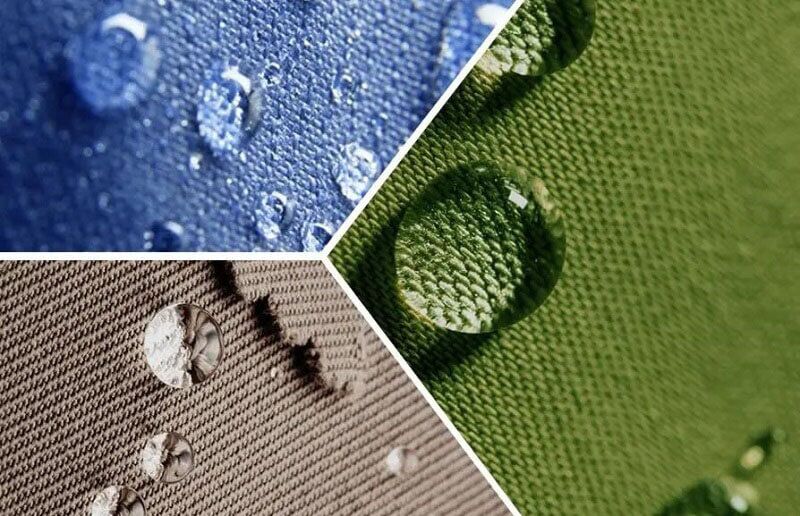
Likewise, a conventional fabric can gain technical properties through finishing, coating, lamination, or construction changes. Water resistance, flame resistance, antimicrobial claims, stretch control, insulation, and abrasion resistance may all change how a textile is classified and used. Whether it is called technical depends on the intended role and the performance requirements of that role.
Why the term matters when choosing material
Calling something a technical textile should prompt better questions than simply asking what fiber it contains.
Ask what function the material is intended to provide. Ask which conditions it must withstand. Ask whether the claimed property is inherent to the fiber, created through construction, or added through a finish or coating. For a critical application, ask what test methods or specifications apply to that end use.
This matters because labels such as “performance fabric” and “technical fabric” are broad. A moisture-managing knit, a flame-protective workwear fabric, and a geotextile are all technical textiles, but they should not be compared by the same criteria.
In short, technical textiles are not defined by looking futuristic or serving only high-risk industries. They are textiles engineered to do a particular job reliably. Once function—not fashion alone—becomes the main reason for the material’s design, an ordinary-looking fabric can become a technical one.
References
- What are technical textiles and their applications. facebook.com. https://www.facebook.com/groups/1129177874618979/posts/1499769027559860
- What makes technical textiles reliable?. facebook.com. https://www.facebook.com/EndutexOfficial/posts/what-makes-a-technical-textile-reliablethe-ability-to-deliver-consistent-perform/1107404048707402
- Market Overview, Inherent Linkages & Growth Opportunities. nttm.texmin.gov.in. https://nttm.texmin.gov.in/pdf/WhatsNew/TechnicalTextilesEBooklet.pdf
- Classification and Applications of Technical Textiles - Acme Mills. acmemills.com. https://acmemills.com/industry-news-blog/classification-and-applications-of-technical-textiles
- TECHNICAL TEXTILES. homescience10.ac.in. https://homescience10.ac.in/writable/uploads/media/1723109499_ac4b0d718e2d334e513b.pdf
- Technical textile - Wikipedia. en.wikipedia.org. https://en.wikipedia.org/wiki/Technical_textile
- Understanding Technical Textiles and Their Role in Modern Infrastructure. linkedin.com. https://www.linkedin.com/pulse/understanding-technical-textiles-role-modern-infrastructure-rwivf